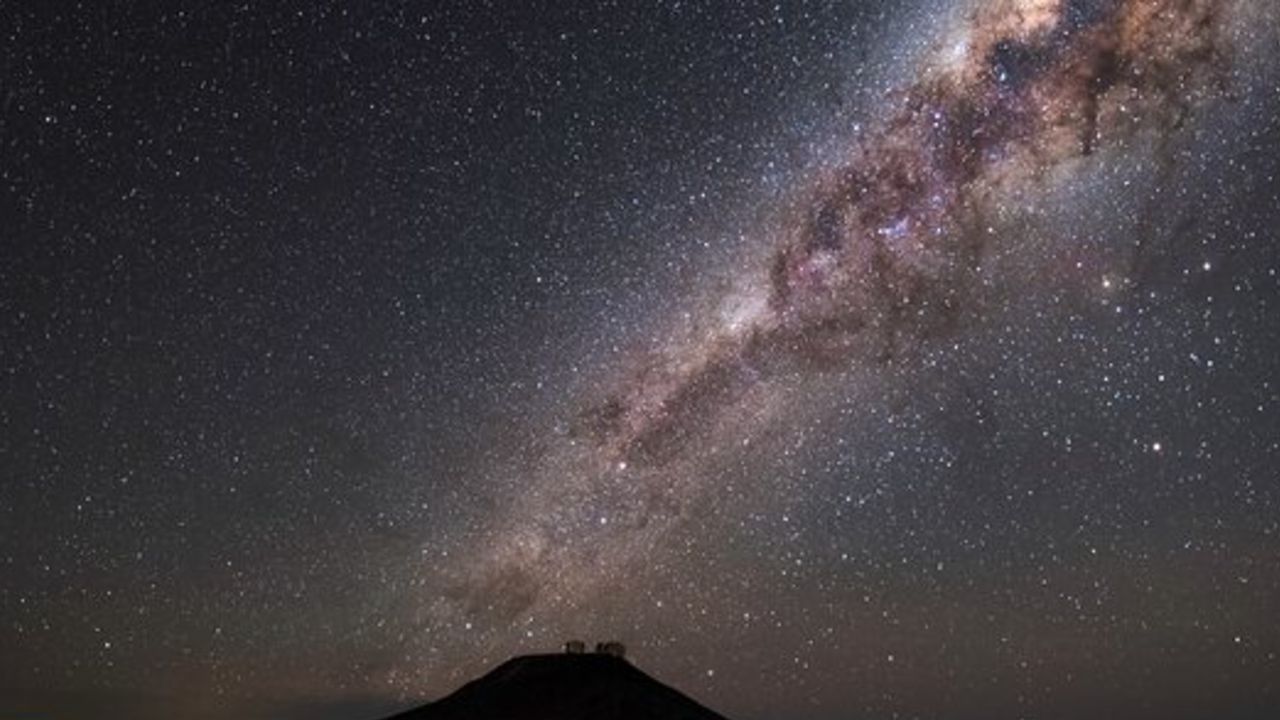
Astronomers have discovered where star formation stops in the Milky Way's disk, finding the boundary sits just 40,000 light-years from the galactic core. The discovery challenges existing models of how galaxies build and maintain their spiral structure.
The research team detected this sharp cutoff using observational data that revealed a dramatic drop in new star birth beyond this distance. Inside the boundary, stellar nurseries actively produce new stars. Outside it, star formation essentially ceases.
The mechanism driving this stark transition remains unexplained. Traditional galactic physics suggests star formation should taper gradually across greater distances, not terminate so abruptly. Astronomers now work to understand whether density waves, magnetic fields, or other forces create this invisible wall.
This finding reshapes understanding of galactic architecture. The Milky Way's disk extends much farther than this star-forming boundary, meaning vast regions contain aging stars but generate almost no new ones. The discovery also provides a testing ground for competing theories about how spiral galaxies evolve and sustain themselves.
Further observations from space telescopes and ground-based facilities will help astronomers map this boundary with greater precision and test competing explanations for its existence.