# May 2026 Skywatching Guide
May delivers three distinct celestial events for observers worldwide. The month opens with the Eta Aquariid meteor shower, peaking in the predawn hours as Earth passes through debris left by Halley's Comet. Viewers should position themselves before sunrise for optimal viewing.
Mid-month brings a close conjunction between the Moon and Venus. The two brightest objects in Earth's night sky will appear near each other, creating a striking visual pairing visible to the naked eye during evening hours.
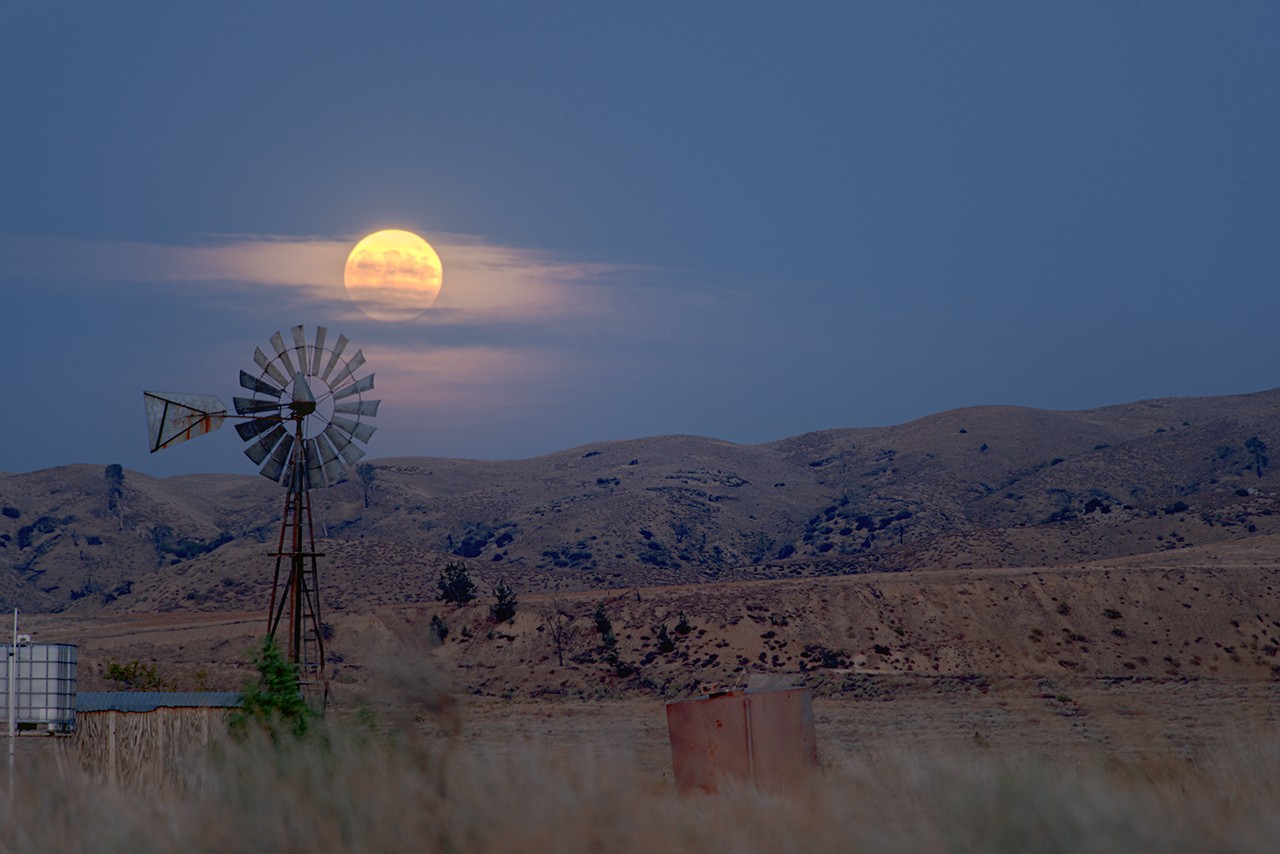
The month concludes with a rare blue moon. This second full moon in May occurs on May 31st. The term "blue moon" refers to the calendar phenomenon, not the lunar surface color. Such occurrences happen roughly every two to three years.
NASA recommends finding dark skies away from light pollution for all three events. The meteor shower requires the least equipment. Venus and the Moon conjunction needs only clear skies and an unobstructed western horizon. The blue moon visibility depends entirely on cloud cover and observer location.
These May events require no special equipment, binoculars, or telescopes. They offer accessible windows into planetary mechanics and orbital dynamics. Observers worldwide can witness the same events simultaneously, linking them to Earth's position within the solar system.