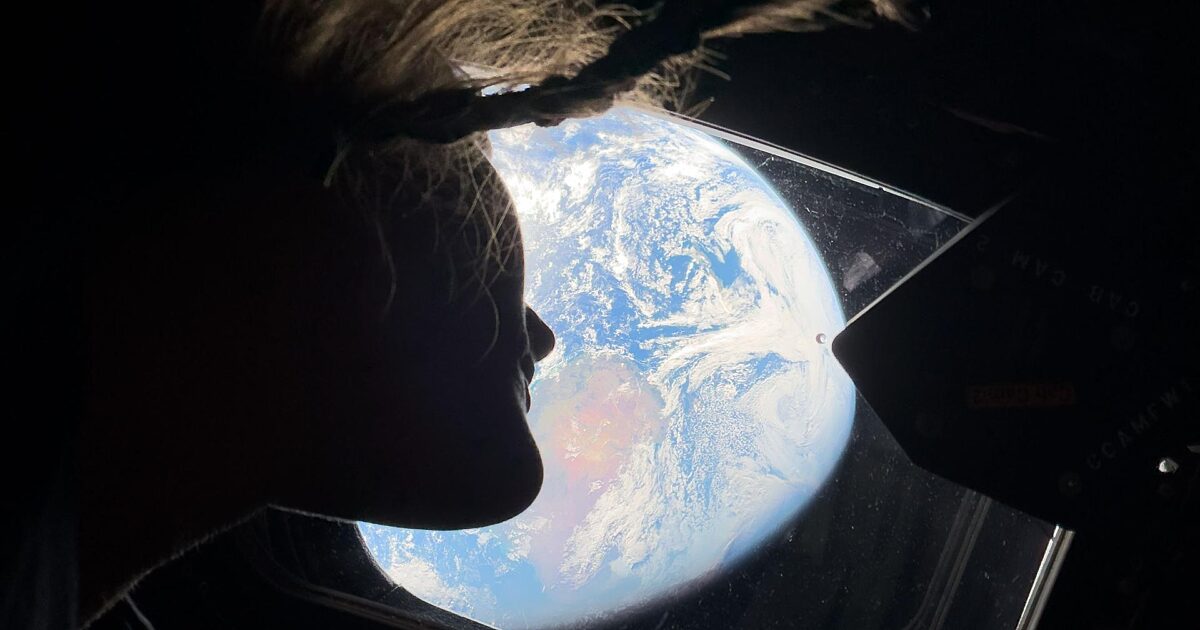
NASA's Artemis II mission achieved unprecedented public visibility, drawing mainstream attention comparable to major entertainment events. The uncrewed lunar test flight captured broad cultural engagement across demographics typically indifferent to spaceflight.
Yet measurable outcomes remain unclear. Social media metrics surged during launch windows, but converting casual interest into sustained support for Artemis III and lunar infrastructure requires sustained effort. The mission orbited the Moon with four test dummies and Orion spacecraft, validating systems before human crews return to lunar orbit under the Artemis program.
Public fascination peaked around launch attempts and the spacecraft's Trans-Lunar Injection burn. Engineers at NASA's Johnson Space Center and contractors including Lockheed Martin and Boeing achieved the mission's technical objectives. The Artemis II capsule splashed down safely in the Pacific Ocean after its 10-day flight.
The challenge facing NASA centers on retention. Space advocates recognize that momentary viral attention differs fundamentally from political will and budget support. Artemis programs compete for Congressional funding alongside terrestrial priorities. The Planetary Society, an advocacy organization, notes that programs must translate popular interest into institutional backing.
NASA's Gateway lunar station and surface exploration plans depend on maintaining momentum beyond launch spectacle.