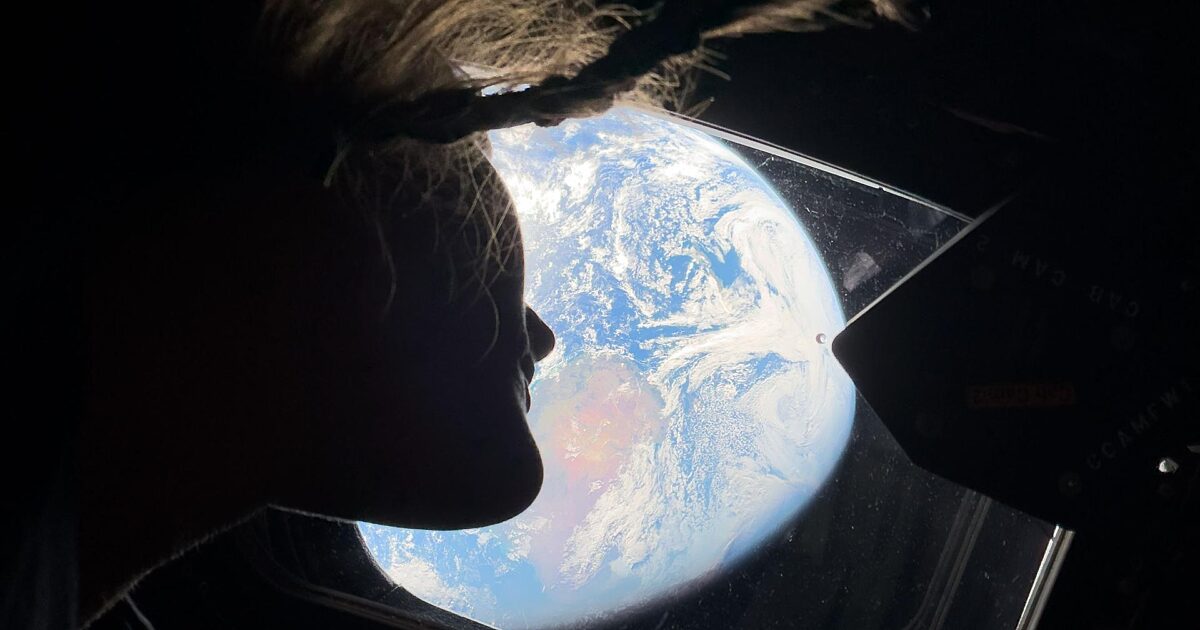
NASA's Artemis II mission captured unprecedented public attention, drawing comparisons to mainstream entertainment phenomena. The uncrewed lunar test flight generated massive social media engagement and mainstream news coverage as the agency prepared to send the Space Launch System rocket and Orion spacecraft around the Moon.
The scale of public interest surprised even seasoned space communicators. Artemis II became a cultural moment, not merely a technical milestone. News outlets, social platforms, and audiences typically indifferent to spaceflight discussed the mission's timeline, objectives, and stakes.
Yet the article raises a critical question. Does viral attention translate to sustained support for NASA's Artemis program? Public fascination spikes around launches and dramatic events, then fades. The agency faces the challenge of converting momentary fame into long-term backing for the multi-billion-dollar effort to return humans to the lunar surface.
NASA must leverage this heightened awareness strategically. Clear communication about why Artemis matters, what comes next after the Moon, and how the program connects to Earth-based benefits becomes essential. The Taylor Swift comparison cuts both ways. Swift's fanbase demonstrates loyalty built on consistent engagement and clear value. Artemis supporters require similar nurturing beyond the initial spectacle.
The window for capitalizing on this attention remains open but finite.