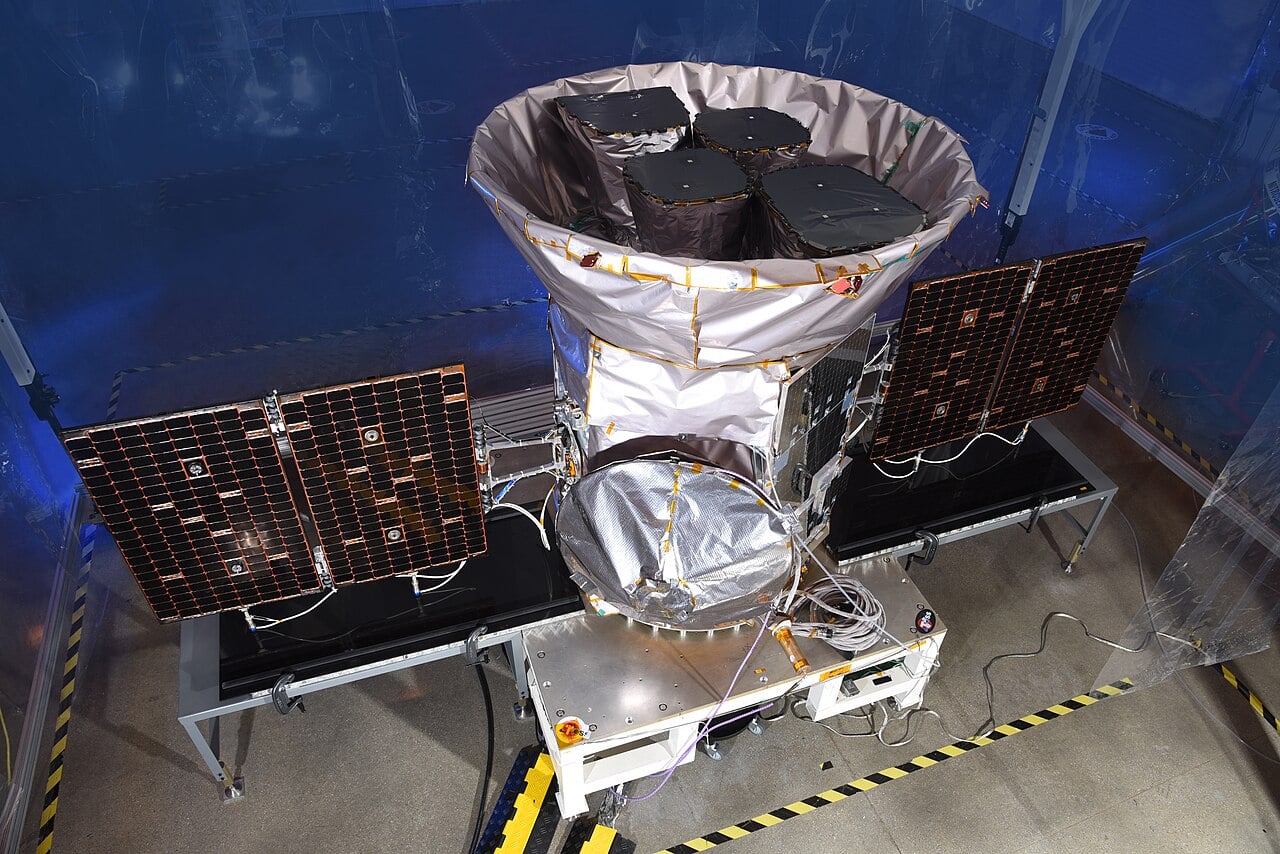
NASA's TESS satellite revealed a cosmic puzzle. The most common planets in the Milky Way orbit the wrong stars.
Astronomers confirmed that nearly every star hosts at least one planet. But the distribution is deeply asymmetrical. Small, dim red dwarf stars dominate our galaxy, yet they harbor almost no sub-Neptune planets. These intermediate-sized worlds should exist in abundance if planetary systems followed simple rules.
Instead, TESS data shows red dwarfs preferentially host rocky super Earths. The absence of sub-Neptunes around these stars contradicts current planetary formation models. Scientists expected smaller, lighter stars to capture a full range of planet types through gravitational interactions and migration during system development.
This discovery forces researchers to reconsider how planets form and survive around the galaxy's most prevalent star type. The TESS mission, launched in 2018, has catalogued thousands of exoplanets and continues to map these unexpected patterns. Understanding why sub-Neptunes vanish around red dwarfs remains an open question that will shape future theories of planetary architecture.