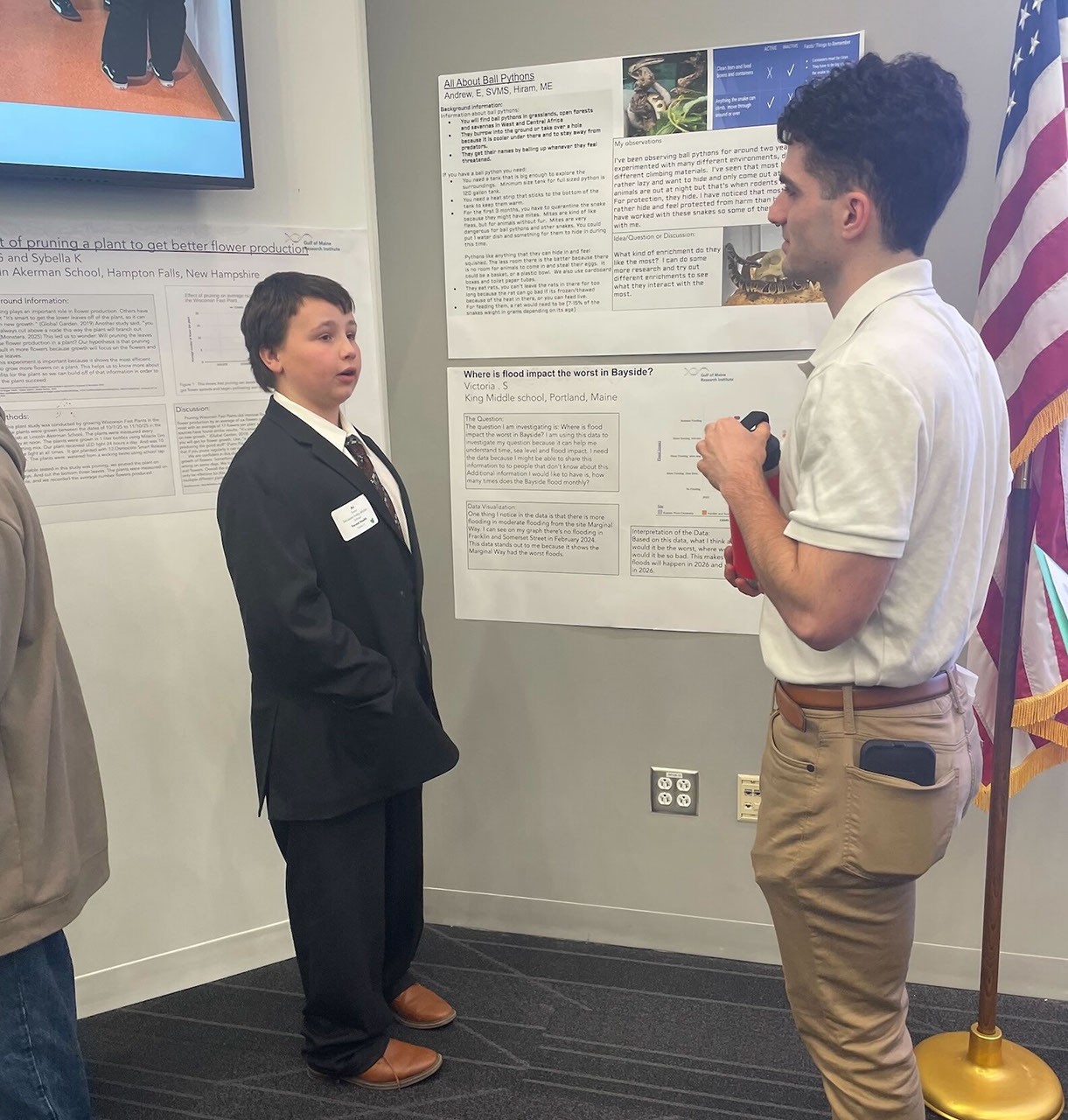
NASA hosted its third annual Findings from the Field Student Research Symposium, bringing together 106 students from grades four through eight with 29 educators and 15 subject matter experts. The event showcased 68 research posters, 14 lightning talks, and 5 discussion sessions that connected young researchers with professional scientists and teachers.
The symposium represents NASA's commitment to building the next generation of space explorers and scientists. By creating platforms where elementary and middle school students present original research alongside NASA experts, the agency cultivates early interest in STEM disciplines and demonstrates that meaningful scientific work begins well before university. The format, combining poster presentations with rapid-fire lightning talks and structured discussions, mirrors professional conference structures. This exposure teaches students research communication skills they will carry throughout their academic careers.
The breadth of participation is notable. With 15 subject matter experts attending, students gained direct access to working scientists who can validate their questions, refine their methodologies, and inspire deeper curiosity about space science and Earth science. The 29 educators present represent the classroom teachers who shepherd these young researchers through their investigations, making the symposium a rare opportunity for professional development and direct collaboration with NASA personnel.
Findings from the Field operates as a grassroots initiative within NASA's broader educational ecosystem. Rather than top-down instruction, it leverages student-driven inquiry and peer learning. By hosting this symposium annually and growing participation year after year, NASA plants seeds for future astronauts, engineers, planetary scientists, and mission designers.
The event underscores a fundamental principle: space exploration advances when we invest in curiosity early. These 106 fourth through eighth graders are building research habits, scientific thinking, and confidence in their own investigative abilities. Some will pursue careers in aerospace. All of them will carry forward the experience of being treated as legitimate researchers by NASA scientists.
WHY IT MATTERS: NASA