# Space Nomenclature: Rules Behind the Names
The International Astronomical Union (IAU) governs how humanity names celestial objects, from craters to exoplanets. This regulatory body enforces standards that balance tradition, science, and cultural representation.
Lunar features follow established conventions. Craters honor scientists and explorers. Mountains and valleys reference Earth locations. The IAU permits naming lunar features after individuals, including loved ones, though the person must be deceased for at least three years.
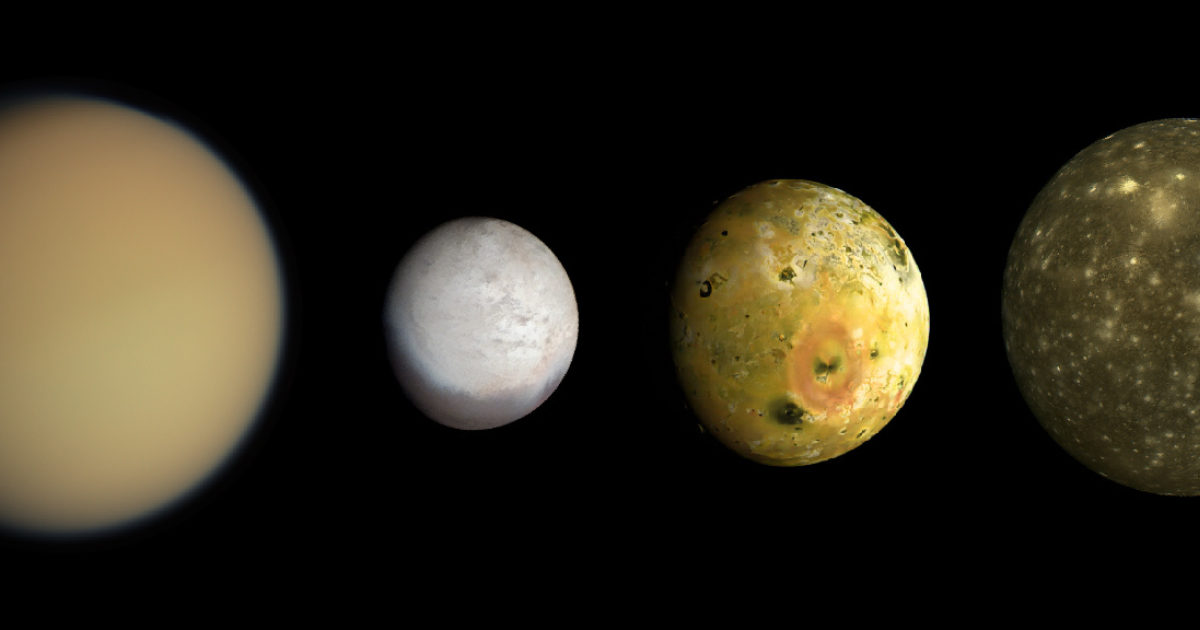
Planetary nomenclature adheres to thematic patterns. Mars craters bear names of deceased scientists and science fiction authors. Venus features reference women from history and mythology. Jupiter's moons follow Jovian mythology. Saturn's moons draw from various mythological traditions.
For exoplanets, the IAU introduced public naming campaigns beginning in 2015. This democratized the process, allowing citizens worldwide to propose names for confirmed worlds around distant stars. The organization ultimately approves selections based on cultural significance and appropriateness.
Asteroids present different rules. Discoverers propose names within guidelines prohibiting political or religious figures (with rare historical exceptions), commercial advertisements, and offensive terms. The IAU's Minor Planet Names Committee reviews submissions.
These naming conventions serve a practical purpose beyond tradition. Standardized nomenclature enables scientists across nations and languages to communicate precisely about specific objects. The rules reflect humanity's attempt to impose order on the cosmos while honoring our shared heritage and expanding our cultural representation among the stars.