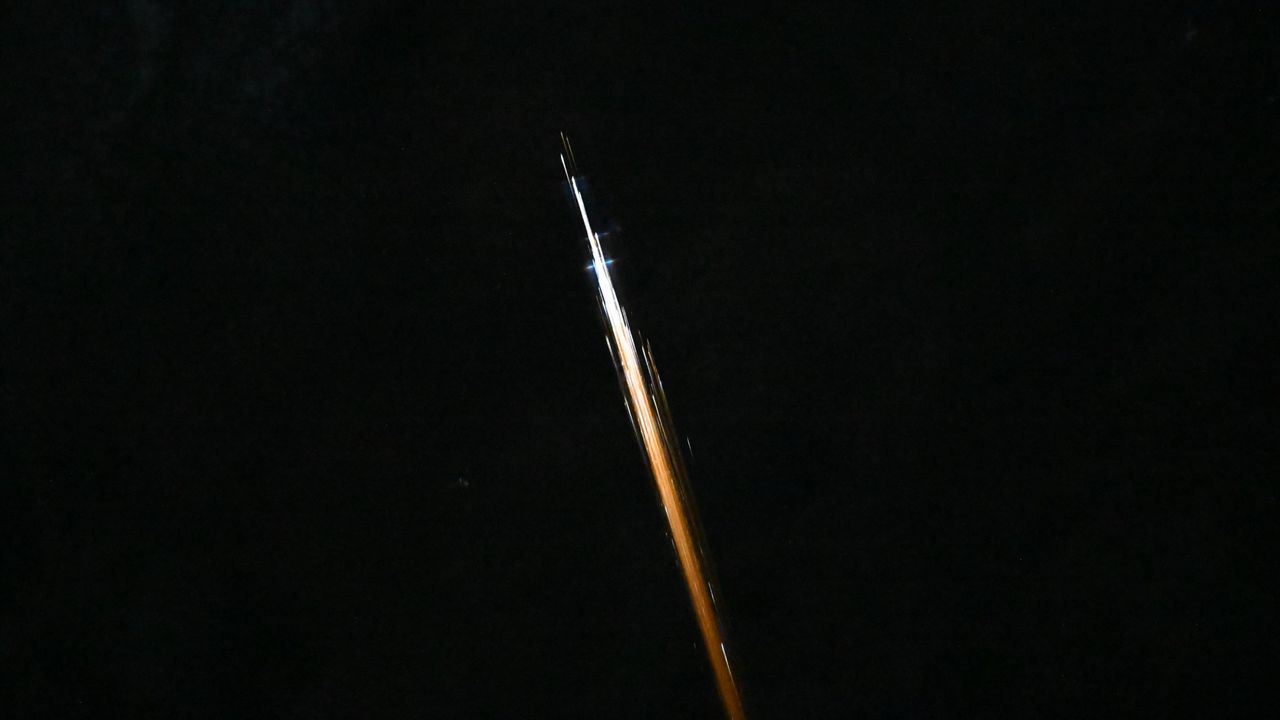
NASA astronaut Chris Williams captured a meteor burning through Earth's atmosphere from the International Space Station, photographing the bright fireball streaking across the planet below.
Williams snapped the images from his vantage point 250 miles above Earth's surface, where the station orbits at 17,500 miles per hour. The perspective offers a rare view of atmospheric entry events that ground observers miss. Meteors become visible when space rocks enter the upper atmosphere at hypersonic speeds, friction heating them to incandescence.
The ISS provides an ideal observation platform for such phenomena. Astronauts aboard the orbiting laboratory regularly document meteorological events, auroras, lightning storms, and other atmospheric displays. These observations help scientists understand Earth's atmospheric dynamics and track meteor activity.
Williams shared the photos on social media, describing the phenomenon as "quite a light show." The images reveal the fireball's brilliant glow against the darkness of space and Earth's curvature beyond it.
Meteor sightings from the ISS occur regularly, though clear photographic documentation remains valuable for research. Each captured event contributes to humanity's understanding of near-Earth space debris and atmospheric chemistry.