# Supernova Impostors Puzzle Astronomers
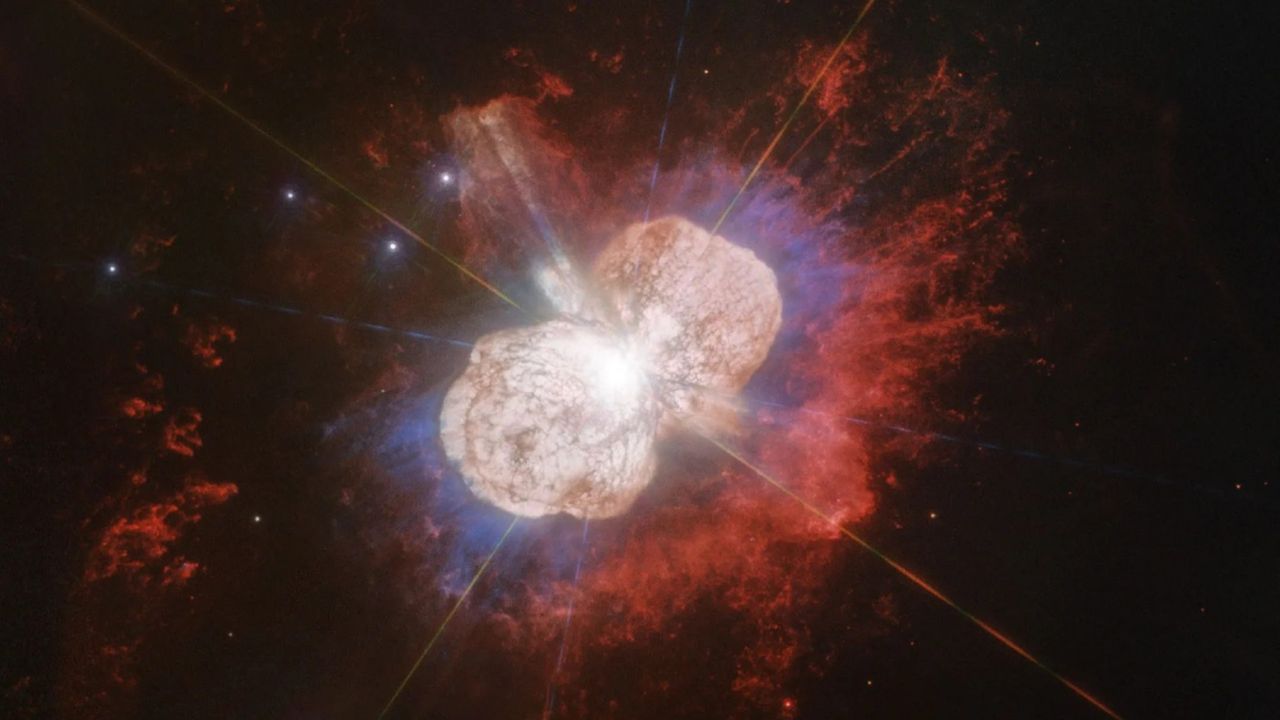
Stars occasionally undergo violent eruptions that mimic supernovae without actually exploding. Astronomers term this phenomenon "eruptive mass loss," and the process remains poorly understood. These stellar outbursts expel massive amounts of material into space, creating bright flashes that resemble true supernovae to distant observers.
The distinction matters. A genuine supernova results from a star's catastrophic collapse or thermonuclear detonation. A supernova impostor, by contrast, represents a star expelling its outer layers while surviving intact. Yet both produce brilliant emissions detectable across vast distances.
Researchers struggle to predict which stars will experience these eruptions or why certain stellar systems trigger them. The mechanics driving eruptive mass loss remain opaque. Some evidence suggests that unstable internal conditions, extreme rotation, or binary star interactions play roles, but definitive answers elude astronomers.
These impostors complicate the search for distant supernovae. When telescopes detect a sudden brightening, determining whether it signals a true supernova or a stellar tantrum requires careful analysis. Distinguishing between the two affects our understanding of star death rates and the universe's expansion history.
Continued observation of candidate systems and detailed spectral analysis help astronomers refine their models of stellar behavior at the extreme end of the mass spectrum.