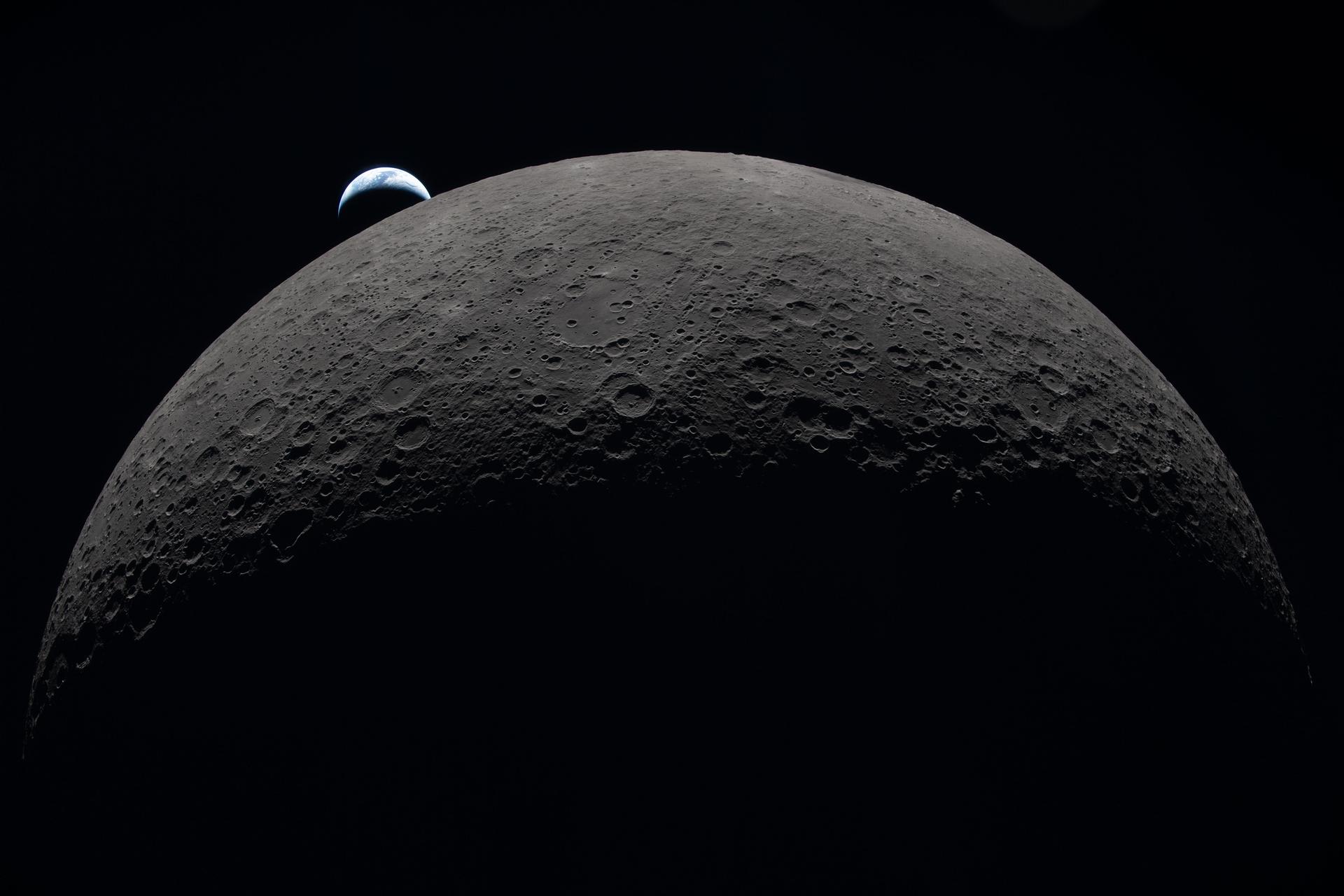
NASA is accelerating development of in-situ resource utilization (ISRU) technologies that will extract water ice, hydrogen, and helium-3 directly from lunar regolith. This partnership between the agency and private industry targets a fundamental challenge for sustained exploration: reducing the mass and cost of missions by harvesting fuel and consumables on the Moon rather than launching them from Earth.
ISRU represents the operational backbone for long-duration lunar missions and eventual Mars exploration. By processing lunar soil, astronauts can generate propellant for ascent vehicles, water for drinking and life support, and oxygen for both breathing and fuel production. These resources exist abundantly in permanently shadowed craters near the lunar poles, where ice deposits remain frozen beneath the surface.
The technology directly supports NASA's Artemis program, which aims to establish sustained human presence on the Moon by the late 2020s. Extracting resources on-site reduces launch mass by orders of magnitude. A single kilogram of water brought from Earth costs approximately $54,000 to deliver via conventional rockets. Mining that same kilogram from lunar regolith costs a fraction of that amount once infrastructure is established.
NASA and industry partners are developing multiple extraction methods. Thermal processing heats regolith to release volatiles, while chemical processes convert hydrogen-rich materials into usable forms. Testing occurs in analog environments on Earth that simulate lunar conditions, particularly the extreme cold and vacuum of polar regions.
Helium-3, an isotope rare on Earth but present in lunar soil from billions of years of solar wind implantation, offers long-term potential for fusion reactors. Though fusion energy remains developmental, securing helium-3 reserves positions lunar operations as foundational infrastructure for future energy systems.
This work extends beyond the Moon. Technologies validated for lunar ISRU directly transfer to Mars operations, where in-situ fuel production becomes essential for