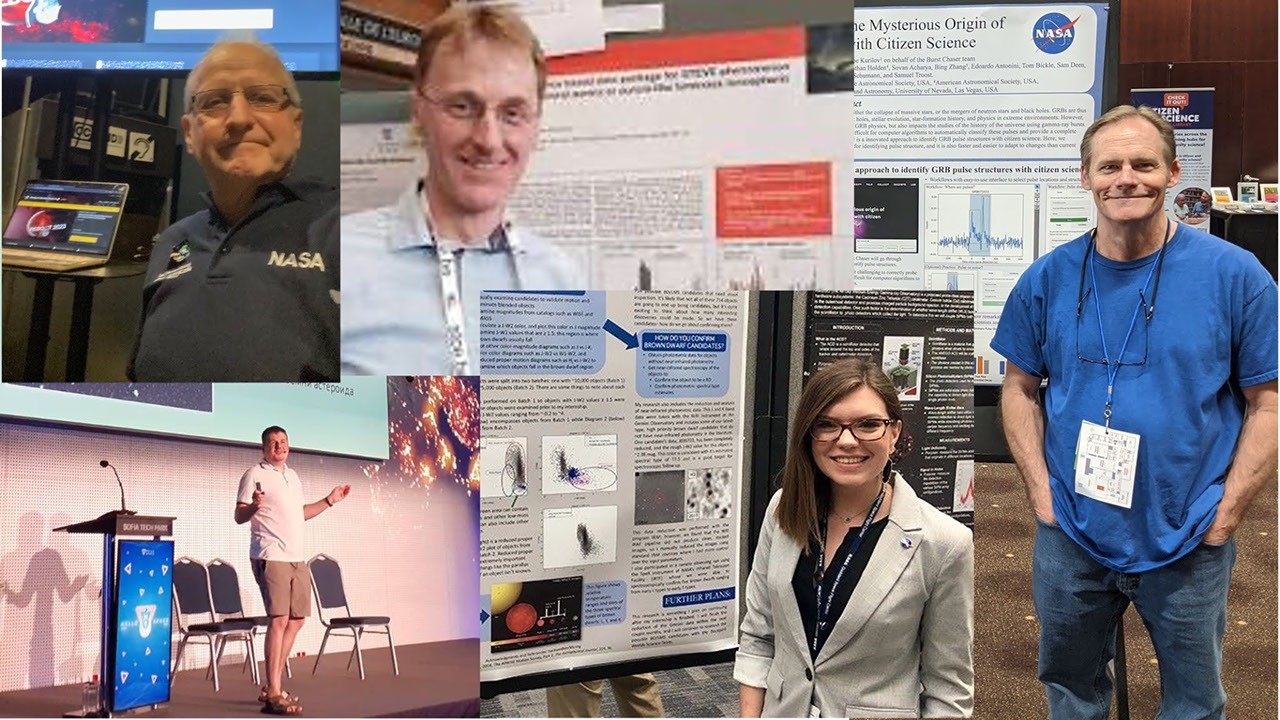
NASA's Citizen Science program has reached a landmark milestone: 650 volunteer participants have become co-authors on peer-reviewed scientific papers alongside professional researchers. The achievement reflects the tangible impact of crowdsourced research across multiple disciplines within the agency's portfolio.
Citizen science projects leverage public participation to process massive datasets, conduct observations, and gather information that would require enormous institutional resources to complete alone. Volunteers contribute everything from data classification and pattern recognition to field observations and computational analysis. By formalizing volunteer contributions through co-authorship, NASA acknowledges that these participants generated results rigorous enough to withstand peer review and merit publication in scientific literature.
The co-authorship pathway transforms volunteering from passive participation into genuine scientific collaboration. Volunteers work directly with NASA researchers, learning methodology while contributing labor that accelerates discovery. Projects span diverse fields, from planetary science and climate research to biodiversity monitoring and astronomical observation. Each co-authored paper represents months or years of volunteer effort crystallized into permanent scientific record.
This model addresses a practical constraint in modern research: processing volume. NASA's Earth observation satellites, space telescopes, and ground-based instruments generate data streams that exceed what institutional staff alone can analyze. Citizen scientists bridge that gap while simultaneously engaging the public in authentic research. The arrangement benefits both parties. Researchers gain human processing power and distributed observation capabilities. Volunteers gain direct involvement in discovery, publication credit, and deeper understanding of how science operates.
The 650 co-authors represent volunteers from diverse backgrounds and educational levels, demonstrating that citizen science democratizes access to research participation. Many volunteers lack formal scientific credentials but possess patience, attention to detail, and genuine curiosity. Their papers appear in reputable journals, establishing that volunteer-generated data meets professional standards when properly integrated into scientific workflows.
NASA's official recognition of this milestone signals commitment to citizen science as more than outreach. These programs function as authentic research infrastructure.