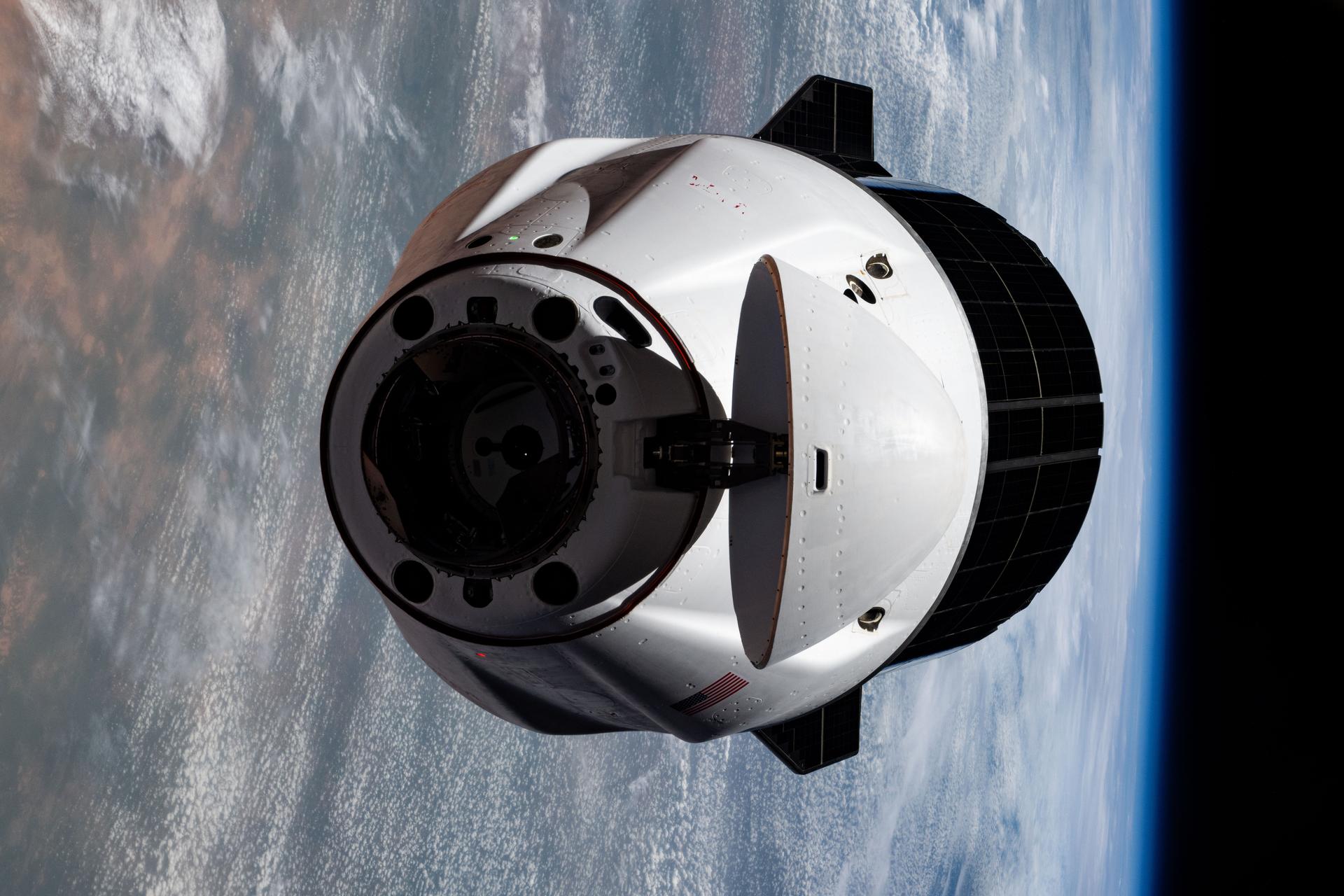
NASA and SpaceX will launch the 34th commercial resupply mission to the International Space Station on May 12 at 7:16 p.m. EDT. A Dragon spacecraft will carry approximately 6,500 pounds of cargo, including science experiments, spare parts, and equipment needed to sustain crew operations aboard the orbiting laboratory.
This routine resupply mission represents the backbone of ISS logistics operations. SpaceX has become NASA's primary cargo provider since the retirement of the Space Shuttle, executing dozens of these flights since the commercial resupply services program began in 2012. Dragon vehicles dock autonomously at the station, deliver their payloads, and return to Earth with experiment results and hardware requiring analysis on the ground.
The cargo manifest includes supplies for the crew's daily operations, research materials for ongoing experiments in microgravity, and replacement components for station systems. SpaceX Dragon capsules carry both pressurized and unpressurized cargo, enabling delivery of everything from food and water to external mounting hardware and scientific instruments.
Each resupply mission extends the ISS operational lifespan and advances the research agenda aboard the orbiting facility. Experiments conducted in microgravity produce results impossible to achieve on Earth, spanning fields from materials science to pharmaceutical development to fundamental physics. The station operates as a unique laboratory where crew members from multiple nations work together on projects benefiting humanity.
SpaceX's reusable Dragon design and proven launch operations have made these missions routine yet critical. The company's Falcon 9 rocket provides reliable access to orbit, while the Dragon capsule's design permits frequent flights with minimal turnaround time.
THE BOTTOM LINE: Dragon resupply missions sustain the International Space Station as a working research platform, delivering the supplies and experiments that keep the orbital laboratory operational and advancing human knowledge.