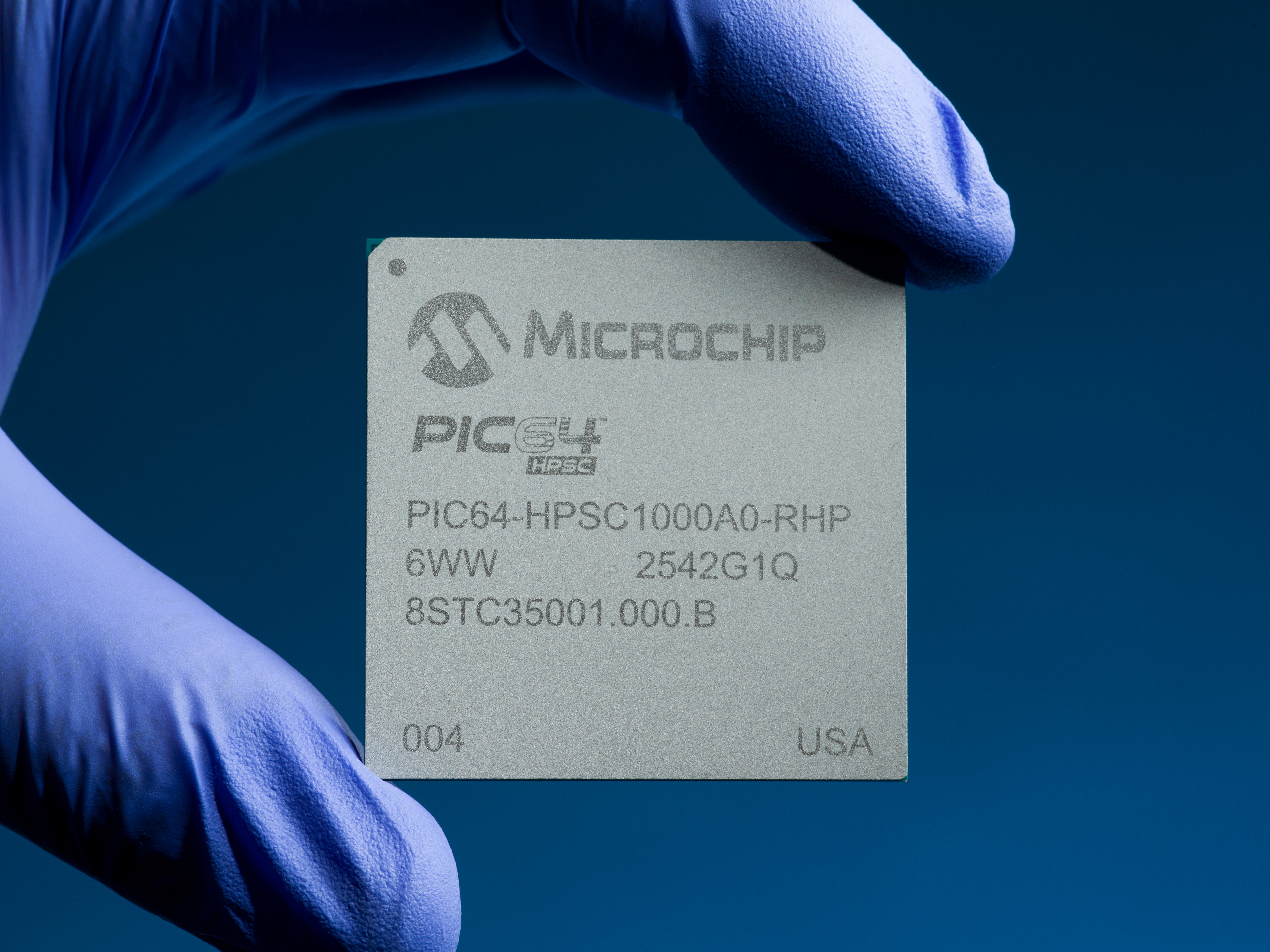
NASA and private industry partners are accelerating development of radiation-hardened computing processors designed to power the next generation of spacecraft and deep space missions. The agency has relied on hardened processors since the Apollo era, when the Apollo Guidance Computers performed critical guidance, navigation, and control calculations during the Moon landings in the 1960s and 1970s.
Modern spacecraft demand far greater computational power than their predecessors. Current radiation-hardened processors struggle to keep pace with mission requirements for autonomous decision-making, real-time data processing, and complex onboard analysis. Space environments expose electronics to intense cosmic radiation and solar particles that corrupt standard computer systems, making specialized hardened chips essential for reliability.
NASA's collaboration with industry partners targets development of processors with significantly improved performance while maintaining radiation tolerance. These advances enable spacecraft to operate with reduced dependence on ground control, critical for Mars rovers, deep space probes, and future lunar operations where communication delays make real-time human control impossible.
The partnership leverages lessons learned across decades of space missions. Each spacecraft generation has validated which processor architectures survive the harsh radiation environment beyond Earth's protective magnetic field. Industry partners contribute commercial expertise and manufacturing capabilities, accelerating timelines beyond what government laboratories alone could achieve.
Enhanced onboard computing translates directly to mission capability. Rovers can process geological data independently rather than transmitting raw images for analysis on Earth. Autonomous navigation systems can adjust course around obstacles. Spacecraft can execute complex maneuvers without waiting for commands from distant control centers.
This initiative directly supports NASA's Artemis program for lunar exploration and Mars missions planned for the 2030s and 2040s. Both destinations demand sophisticated onboard intelligence. Lunar landers navigating hazardous terrain and Mars rovers exploring unknown geology require processors capable of handling intensive computational loads in radiation-saturated environments.
The work represents a fundamental shift in space exploration infrastructure. Better computing removes