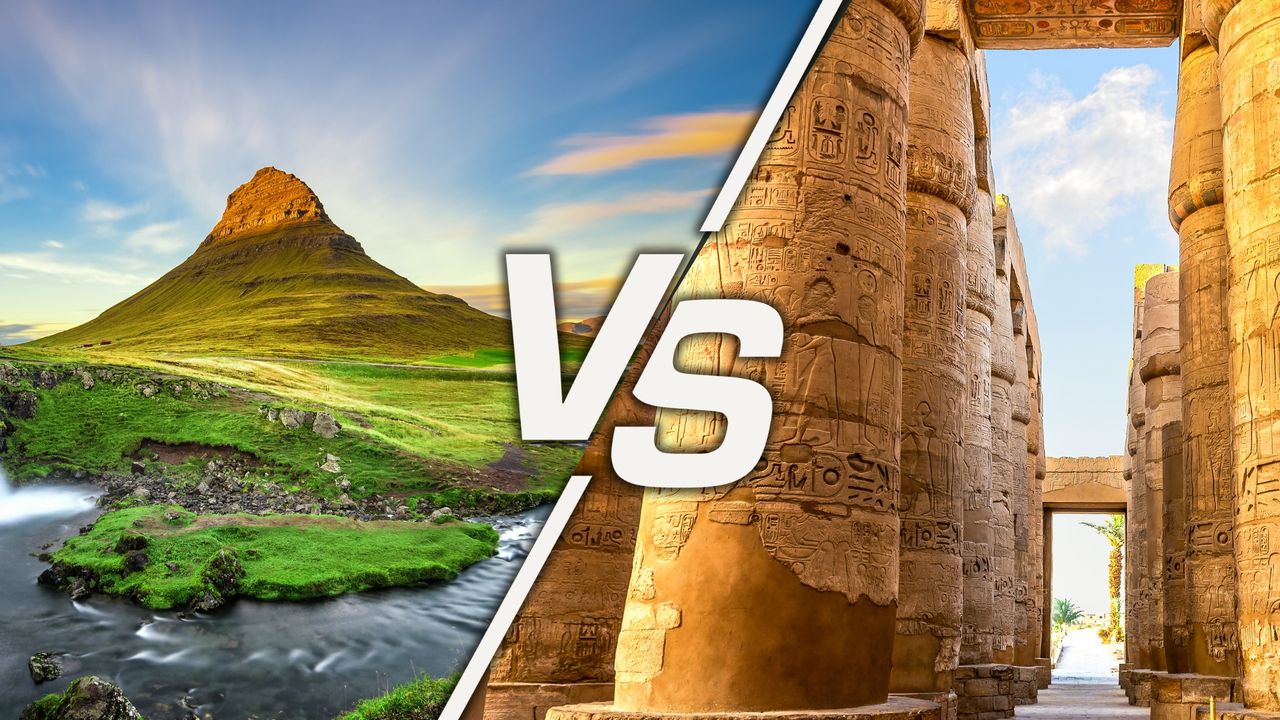
Two total solar eclipses will cross Earth within thirteen months, offering eclipse chasers distinctly different experiences. The 2026 eclipse and 2027 eclipse each present unique advantages depending on location preferences and viewing conditions.
The 2026 total solar eclipse occurs on August 12, 2026, with its path of totality sweeping across Greenland, Iceland, Spain, and Portugal. The eclipse reaches maximum duration of approximately 2 minutes and 20 seconds. Iceland's volcanic terrain provides dramatic scenery for observers, while the eclipse will occur near sunset for European observers, creating distinctive lighting conditions that blend the eclipse with twilight phenomena.
The 2027 total solar eclipse follows on August 2, 2027, offering substantially longer totality. The path crosses southern Egypt, Sudan, and Saudi Arabia, delivering up to six minutes of totality at maximum duration. This extended totality window provides significantly more time for eclipse observations and scientific measurements. The Middle Eastern location presents different logistical considerations but rewards observers with one of the longest totality periods possible for this eclipse pair.
Choosing between them depends on accessibility and eclipse duration priorities. The 2026 eclipse favors those in North America and Europe seeking convenient travel to developed infrastructure regions. The Iceland route offers accessible high-latitude viewing with dramatic landscapes. The European path provides multiple alternative observation sites if weather intervenes.
The 2027 eclipse demands greater travel commitment but delivers substantially longer totality. Six-minute eclipses represent rare astronomical events. The African and Middle Eastern path carries weather risks during eclipse season but promises extended viewing time for corona observations and eclipse experiments.
Eclipse chasers often pursue both events. The thirteen-month spacing allows preparation for either journey. Climate considerations matter significantly. Iceland and Spain typically have variable cloud cover in August, while the Arabian Peninsula presents heat and potential dust storms. However, desert regions sometimes experience clearer