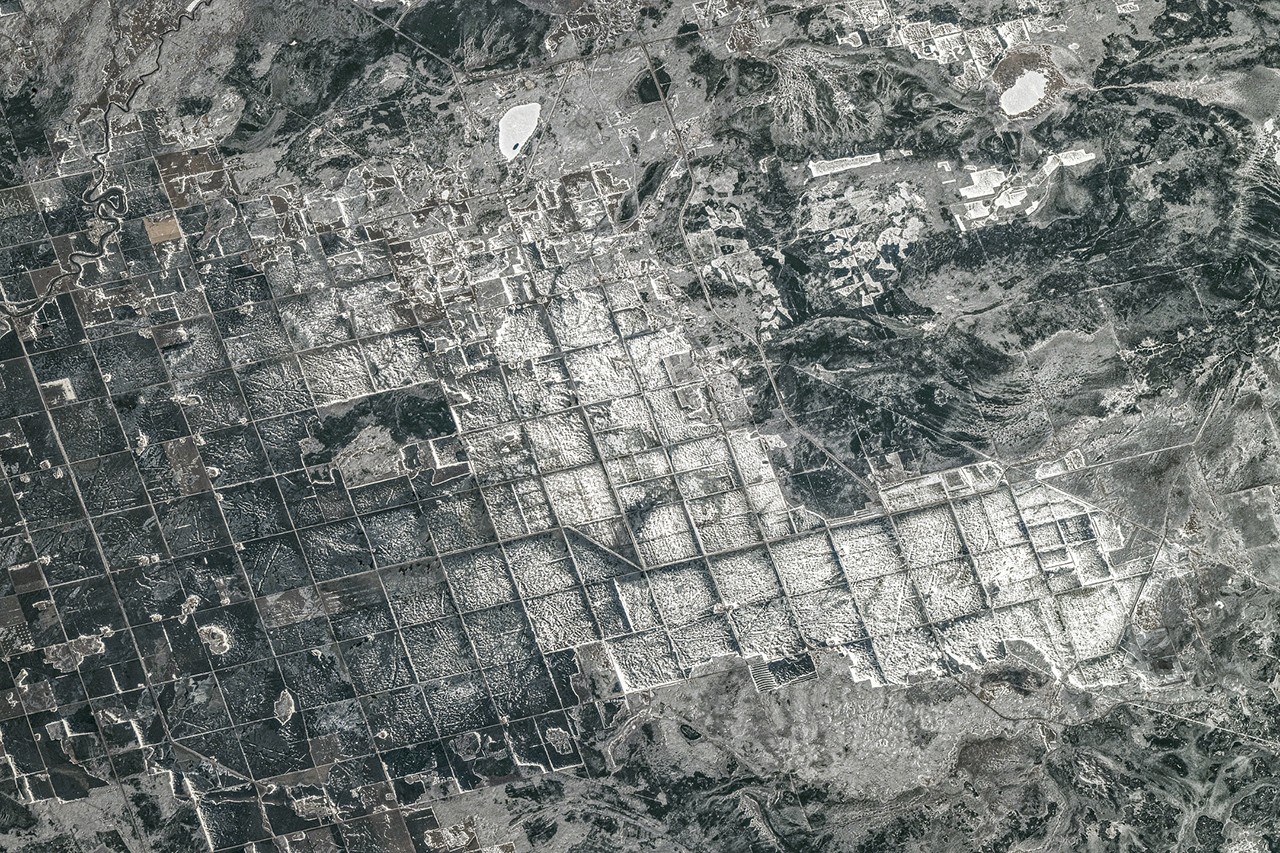
# NASA Challenges Public to Identify Mysterious May 2026 Satellite Image
NASA released a satellite photograph from May 2026 and invited the public to identify the location and explain its scientific significance. The agency posted the image as part of an ongoing effort to engage citizen scientists and space enthusiasts in Earth observation analysis.
The challenge leverages the capabilities of NASA's Earth-monitoring satellites, which continuously photograph our planet's surface to track environmental changes, natural disasters, and geographical features. These instruments provide crucial data for climate research, disaster response, and urban planning.
NASA regularly publishes such identification puzzles to demonstrate the power of remote sensing technology and educate the public about what orbital sensors can reveal about Earth. The puzzles often feature striking geological formations, unusual weather patterns, human infrastructure, or environmental phenomena captured from space. Success requires understanding satellite imagery interpretation, recognizing distinctive landforms, and knowledge of global geography.
Participants typically submit their answers through NASA's official channels, explaining not only where the image was taken but also why the location warrants satellite observation. This might involve documenting seasonal flooding patterns, tracking glacier retreat, monitoring urban sprawl, identifying agricultural changes, or observing coastal erosion.
The challenge serves multiple purposes. It demonstrates NASA's Earth science capabilities to the broader public while crowdsourcing observations that complement formal scientific analysis. Citizens gain hands-on experience interpreting data from satellites like Landsat 8 and Sentinel-2, tools that have revolutionized how we monitor planetary health.
Such initiatives reflect NASA's commitment to open science and public engagement. By inviting non-specialists to participate in data analysis, the agency expands the reach of Earth observation science beyond academic institutions and government agencies.