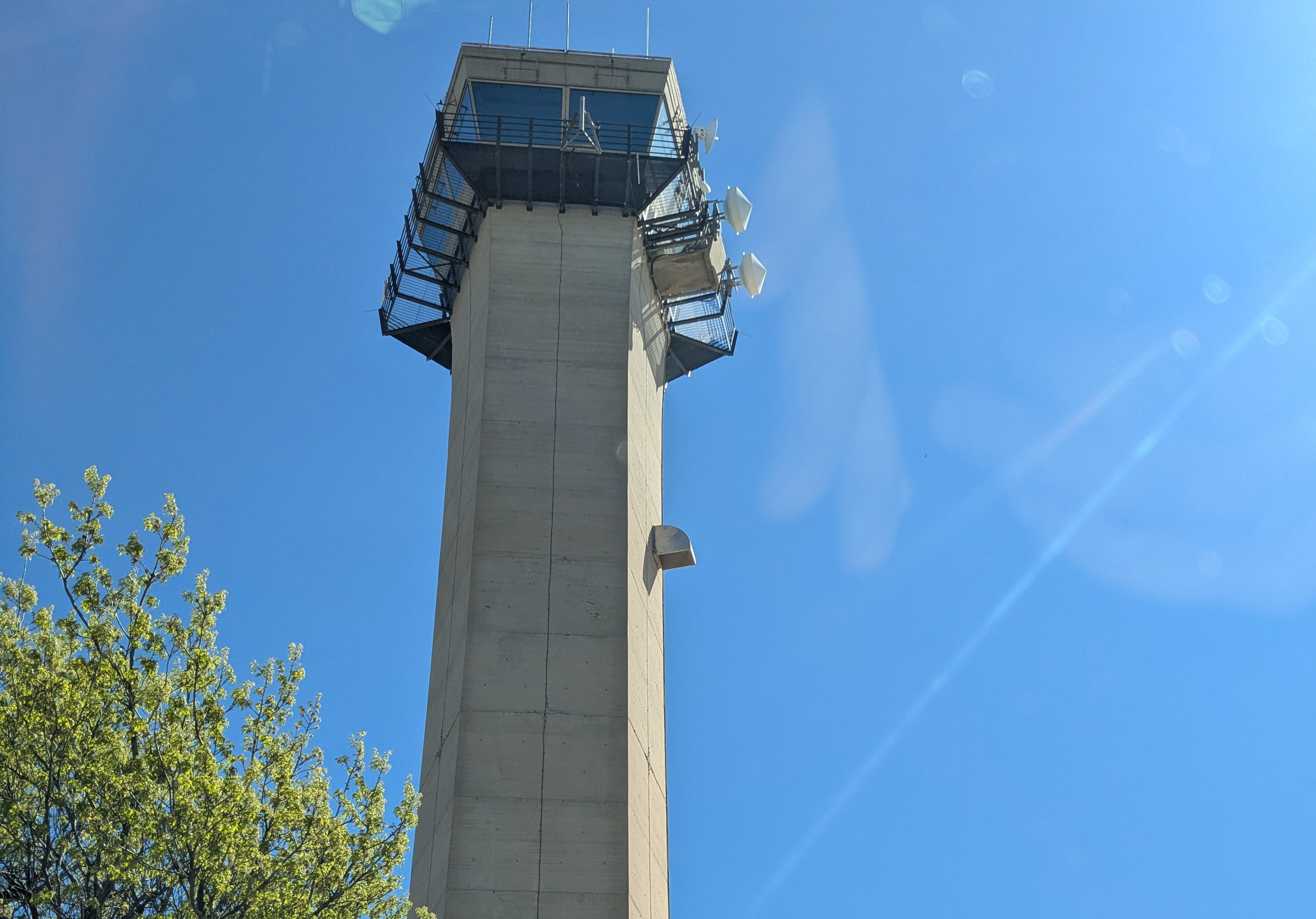
NASA Langley Research Center engineer Jeff Bezaire completed Federal Aviation Administration training in air traffic control operations, gaining firsthand knowledge of communication challenges in congested airspace. The training revealed a critical bottleneck. Pilots and controllers share limited radio frequencies at busy airports, forcing them to compress critical safety communications into narrow time windows.
Standard procedures like clearance delivery require lengthy transmissions and readbacks. When multiple aircraft transmit simultaneously, messages collide and disappear entirely. Weather events, emergencies, or high traffic volumes compound the problem, creating dangerous delays in safety-critical information exchange.
Bezaire's participation in FAA training represents part of NASA Langley's broader research into next-generation air traffic management systems. The agency works on technologies designed to reduce radio dependency and streamline cockpit-to-control-tower communications. Research directions include digital data link systems that transmit information without tying up audio channels, allowing controllers to manage more aircraft simultaneously without sacrificing safety.
The National Airspace System handles over 40,000 flights daily in the United States alone. As aviation traffic continues growing, current communication infrastructure cannot keep pace. NASA Langley researchers understand that solutions require deep knowledge of operational realities. Bezaire's direct exposure to control tower operations informs system design and testing.
The training demonstrates how space and aviation research communities collaborate on infrastructure problems that affect everyday transportation. NASA Langley has long served dual roles in aeronautics research and aerospace development. Controllers face pressure to maintain safety margins while managing increasing traffic density. Engineers need to understand these constraints from experienced operators rather than relying on theoretical models.
This work connects to broader modernization efforts like the FAA's NextGen initiative, which incorporates satellite navigation and advanced data systems to replace aging ground-based infrastructure. Better communication protocols represent a piece of that larger transformation, allowing the National Airspace System to handle future demand reliably.