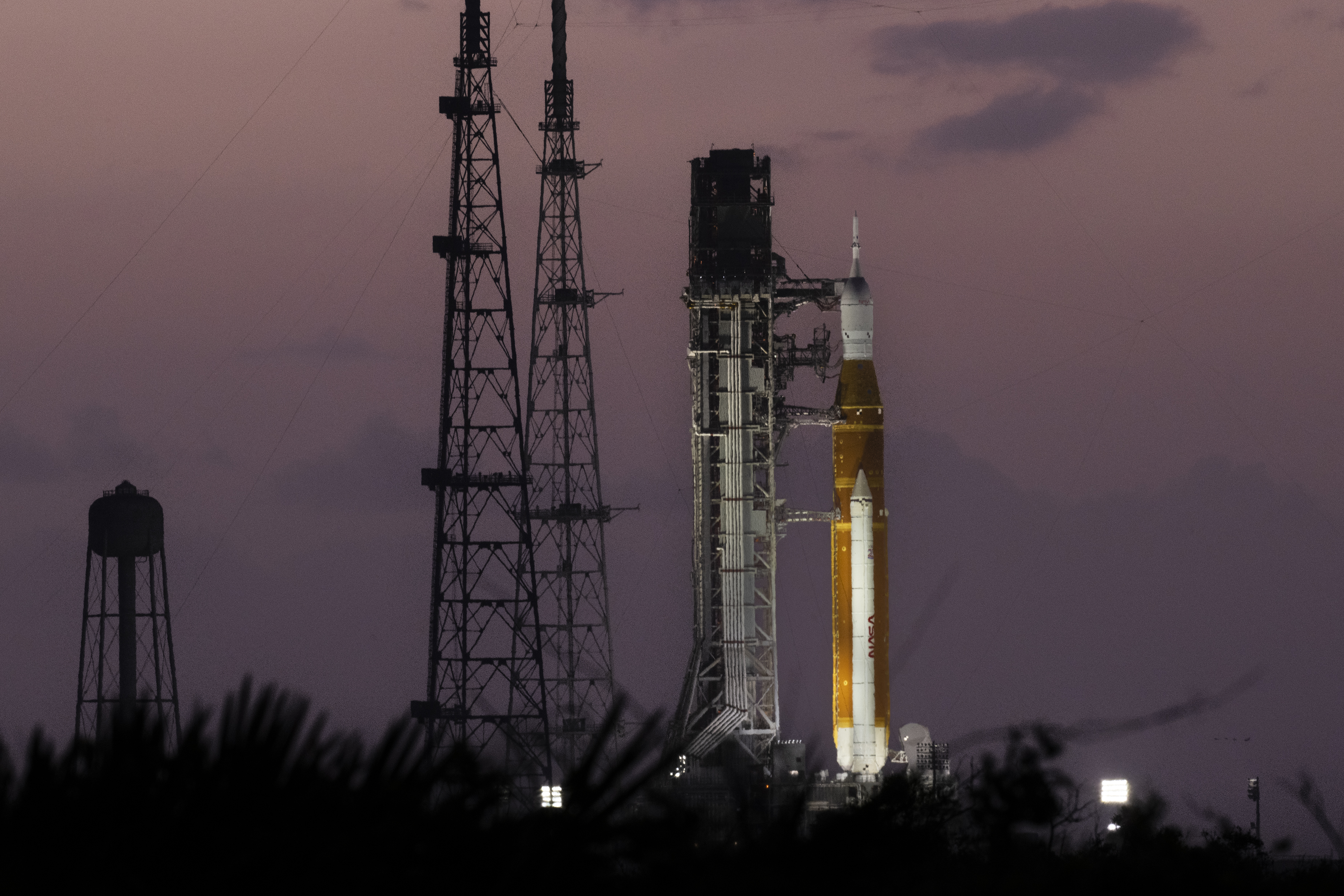
NASA has outlined preliminary plans for Artemis III, a crewed Earth orbit mission scheduled for next year that will validate critical technologies for lunar exploration. The flight will test rendezvous and docking procedures between NASA's Orion spacecraft and commercial lunar landers developed by Blue Origin and SpaceX.
This mission represents a strategic shift in NASA's lunar architecture. Rather than proceeding directly to surface operations at the Moon's South Pole, the agency inserted Artemis III as an orbital test flight to prove that Orion can successfully meet and dock with commercial hardware. The test occurs in the accessible environment of Earth orbit before attempting the same maneuvers at lunar distances.
Blue Origin's Blue Moon lander and SpaceX's Starship HLS (Human Landing System) form the commercial backbone of NASA's return-to-the-Moon program. Artemis III will demonstrate that Orion astronauts can transfer between the Orion capsule and these commercial vehicles, a fundamental requirement for future crewed lunar landings. Success here directly enables crewed South Pole missions in subsequent Artemis flights.
The February announcement that added Artemis III to the manifest reflects NASA's approach to de-risking its lunar campaign. Rather than conducting these complex rendezvous and docking operations for the first time at the Moon, where abort options are limited and recovery costs are enormous, NASA chose to validate the procedures closer to home. This pragmatic step reduces technical risk while building crew confidence in the commercial spacecraft.
Artemis III's Earth orbit operations will closely mirror what astronauts must execute during actual lunar missions. The rendezvous profile, closure rates, alignment procedures, and docking sequences will match lunar operations precisely. NASA gains flight data on Orion's performance while commercial partners demonstrate their vehicles' reliability in supporting human spaceflight.
This incremental approach aligns with lessons learned from