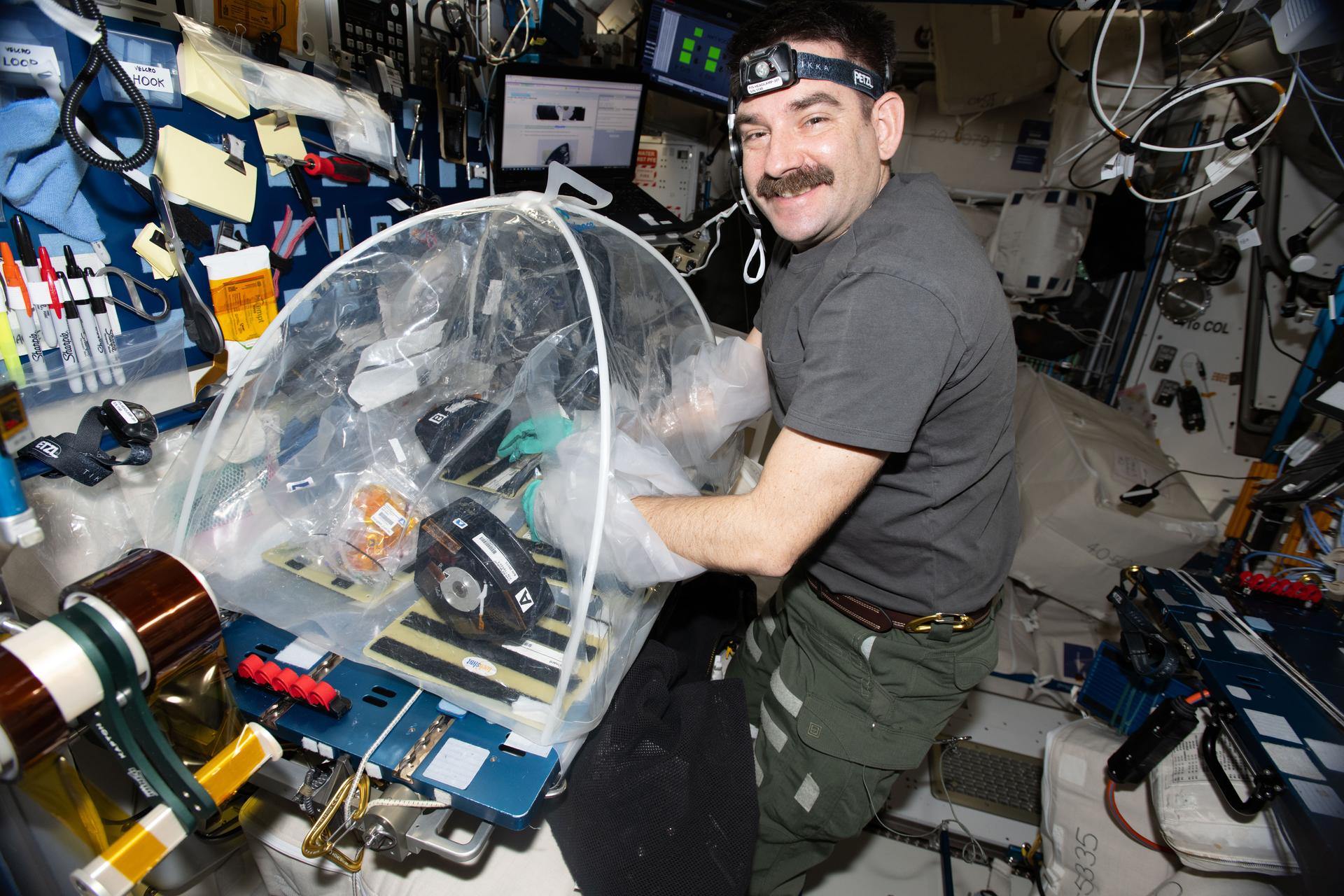
Astronauts aboard the International Space Station during Expedition 74 are conducting experiments that connect bacterial pneumonia to cardiovascular damage, research that could reshape how doctors treat heart disease on Earth.
The investigation centers on stem cell-derived heart tissues exposed to pneumonia-causing bacteria in microgravity. The space environment offers researchers a unique laboratory where tissues develop three-dimensional structures impossible to achieve in Earth-bound facilities. This architectural complexity mirrors how human organs actually function, providing insights that flat, two-dimensional cell cultures cannot deliver.
Pneumonia typically affects the lungs, but the research reveals downstream cardiac complications. By studying how bacterial infections damage heart tissues in space, scientists can identify molecular pathways that lead to long-term cardiovascular injury. Understanding these mechanisms opens pathways for new therapeutic interventions addressing both infectious diseases and heart health simultaneously.
NASA and its international partners recognize that the microgravity environment aboard the ISS accelerates certain biological processes and allows tissues to self-organize more naturally than laboratory conditions on Earth. Expedition 74 crew members conduct these investigations as part of the station's research portfolio, which prioritizes experiments with direct applications to human health.
The findings have implications beyond individual patients. If researchers can pinpoint how bacterial infections trigger cardiac damage, pharmaceutical developers could create treatments targeting those specific pathways. Such advances would benefit millions suffering from post-infection heart complications, a documented concern following severe respiratory infections.
This research exemplifies how space stations serve as orbital laboratories for problems that matter on the ground. Rather than studying abstract biological questions, Expedition 74 scientists address tangible health challenges. The ISS continues proving its value not just for understanding space itself, but for solving some of medicine's persistent problems. The bacteria samples, tissue cultures, and data returning from orbit will inform clinical approaches for years to come.