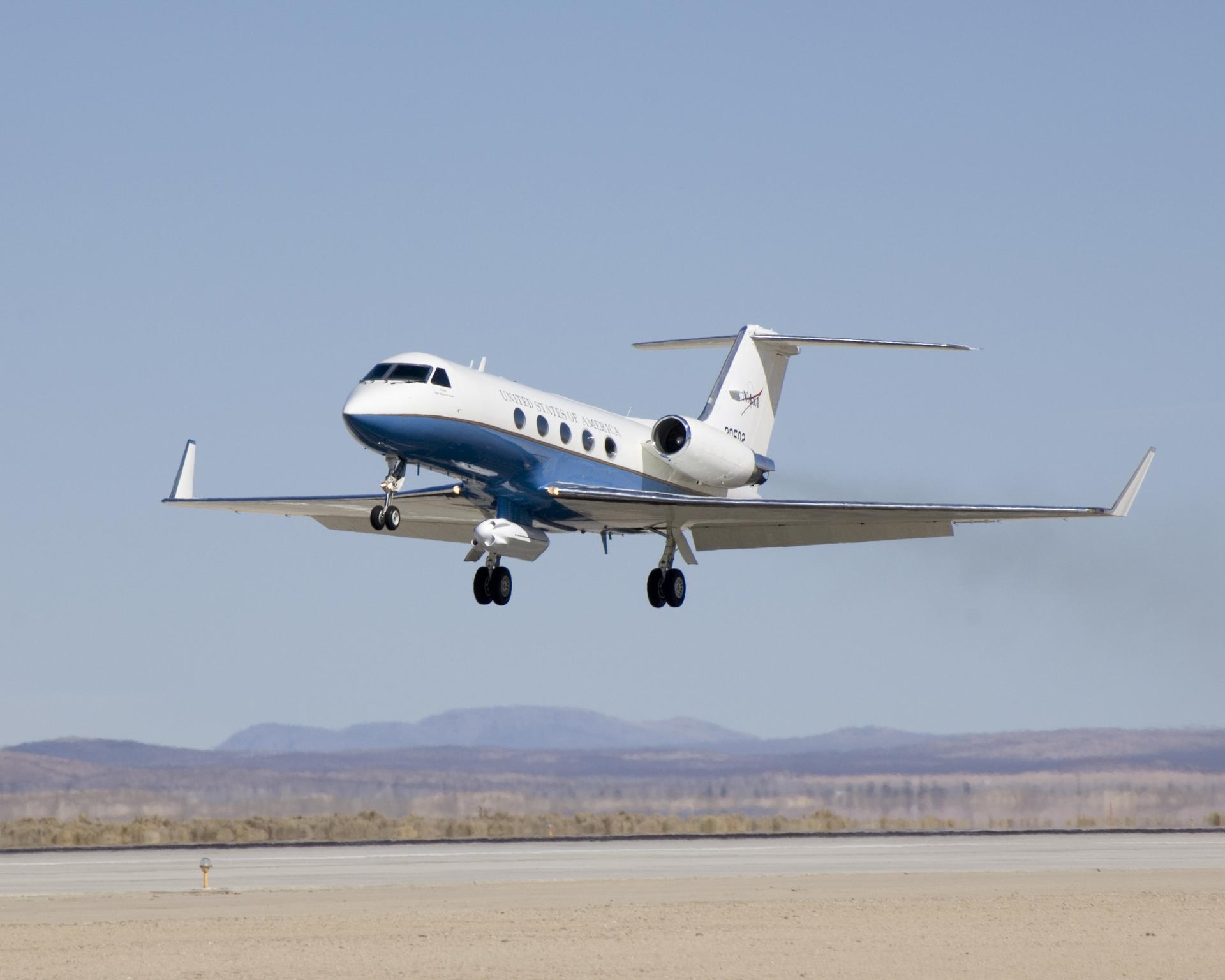
NASA will conduct a two-week airborne research campaign over the Houston area beginning June 3, deploying five research aircraft from Ellington Field. The Student Airborne Research Program (SARP) mission runs through June 13 and involves low-altitude flights performing systematic survey patterns across the region.
Pilots will fly remote sensing instruments in raster patterns, executing parallel back-and-forth flight lines designed to collect data from the aircraft's payloads. This methodical approach allows researchers to gather comprehensive information about atmospheric conditions, surface characteristics, or environmental parameters across Houston's geography.
SARP represents a key educational component of NASA's research infrastructure, pairing student researchers with operational missions that generate real scientific data. The program trains the next generation of atmospheric scientists and engineers while producing observations that contribute to peer-reviewed research. Low-altitude operations like these yield higher-resolution data than satellite observations, filling critical gaps in Earth science understanding.
The Houston area provides an ideal testing ground for remote sensing instruments. The region's diverse landscape, industrial zones, and proximity to the Gulf Coast create varied environmental conditions. Data collected during this campaign could support research into urban heat patterns, air quality, land-use changes, industrial emissions, or coastal dynamics.
Five aircraft provide redundancy and allow simultaneous coverage of multiple areas or repeated passes over target zones. Remote sensing payloads mounted on these platforms likely include spectrometers, radiometers, or cameras operating across visible and infrared wavelengths. These instruments measure reflected and emitted radiation, translating raw sensor data into maps of temperature, vegetation health, water content, or chemical composition.
The timing during early June captures early-summer atmospheric conditions while weather patterns remain relatively stable. Student participation transforms routine survey flights into classroom experiences, with researchers analyzing real datasets before publication. This approach connects data collection directly to scientific methodology and interpretation.
Such missions strengthen NASA's commitment to making Earth observations