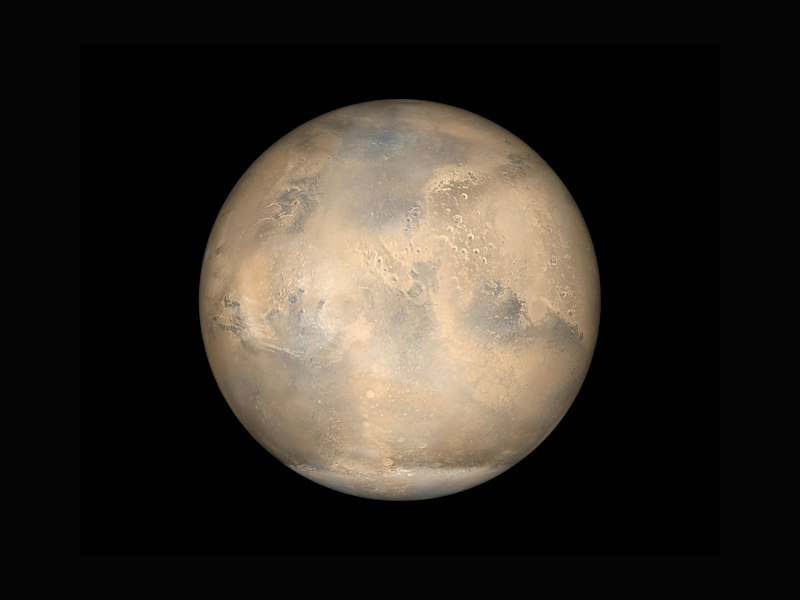
Every time the Hubble Space Telescope releases a new image, the internet erupts. Swirling galaxies, luminous nebulae, cosmic dust rendered in impossible colors. These photographs are undeniably stunning. They deserve celebration. But here's what bothers me: we've built a system that rewards the most visually spectacular astronomy while quietly starving the unglamorous work that actually advances our understanding of the universe.
The recent Hubble images of irregular galaxies and galaxy clusters are breathtaking. They trend on social media. They inspire wonder. Museums build exhibits around them. Funding agencies point to them as proof of their investments' value. The public sees these images and feels connected to the cosmos.
This is not a bad thing. But it has created perverse incentives that deserve scrutiny.
Consider what happens when a telescope program is evaluated. Administrators don't just ask, "What did this teach us?" They increasingly ask, "How many shares did it generate?" Institutions compete for public attention and donor dollars. The most photogenic discoveries get resources, press coverage, and prestige. The most scientifically crucial work, if it doesn't produce camera-ready results, struggles.
Think about what doesn't photograph well. Spectroscopic data that reveals the composition of distant objects. Radio astronomy observations that map invisible cosmic structures. Long-term surveys of stellar behavior that require years of incremental data collection. These aren't failures. They're the foundation of modern astronomy. Yet they don't inspire the same enthusiasm as a color-enhanced image of a spiral galaxy.
The real danger emerges when young astronomers choose their research paths. If institutional rewards flow toward observable, shareable results, ambitious researchers face a choice: pursue questions that captivate the public, or pursue questions that captivate the universe. These aren't always the same thing.
We've seen this pattern before in other fields. News coverage inflates the importance of visible crises while invisible but more consequential problems fade from view. Social media algorithms amplify the sensational. Attention becomes a currency that distorts priorities.
None of this means Hubble should stop taking beautiful pictures. It means we should acknowledge what's happening and ask whether our incentive structure matches our stated goals as a scientific community.
The astronomy profession tells students they should follow curiosity wherever it leads. But the funding landscape, the media attention, and the career advancement opportunities increasingly point in one direction: toward results that are camera-ready.
This shapes which questions get asked. Which telescopes get built. Which career paths seem viable. Which young talents decide astronomy is worth the struggle.
The people who benefit most from this system are those positioned to capitalize on spectacle. Well-funded institutions with communications departments. Established researchers with platforms. The agencies and companies that have learned to package discoveries as visual narratives.
Those who lose are the ones pursuing quiet, essential work. And ultimately, the public loses too, because we're not optimizing for maximum scientific insight. We're optimizing for maximum engagement.
I'm not suggesting we ban pretty pictures or that scientists should ignore communication. Rather, we should recognize this bias exists and actively correct for it. Funding decisions should weight unglamorous discoveries equally. Career advancement should reward methodological rigor regardless of whether it photographs well. Science communicators should champion the invisible as enthusiastically as the visible.
Until we do, we'll keep celebrating what's beautiful while occasionally wondering why our understanding of the universe isn't advancing quite as fast as it could.