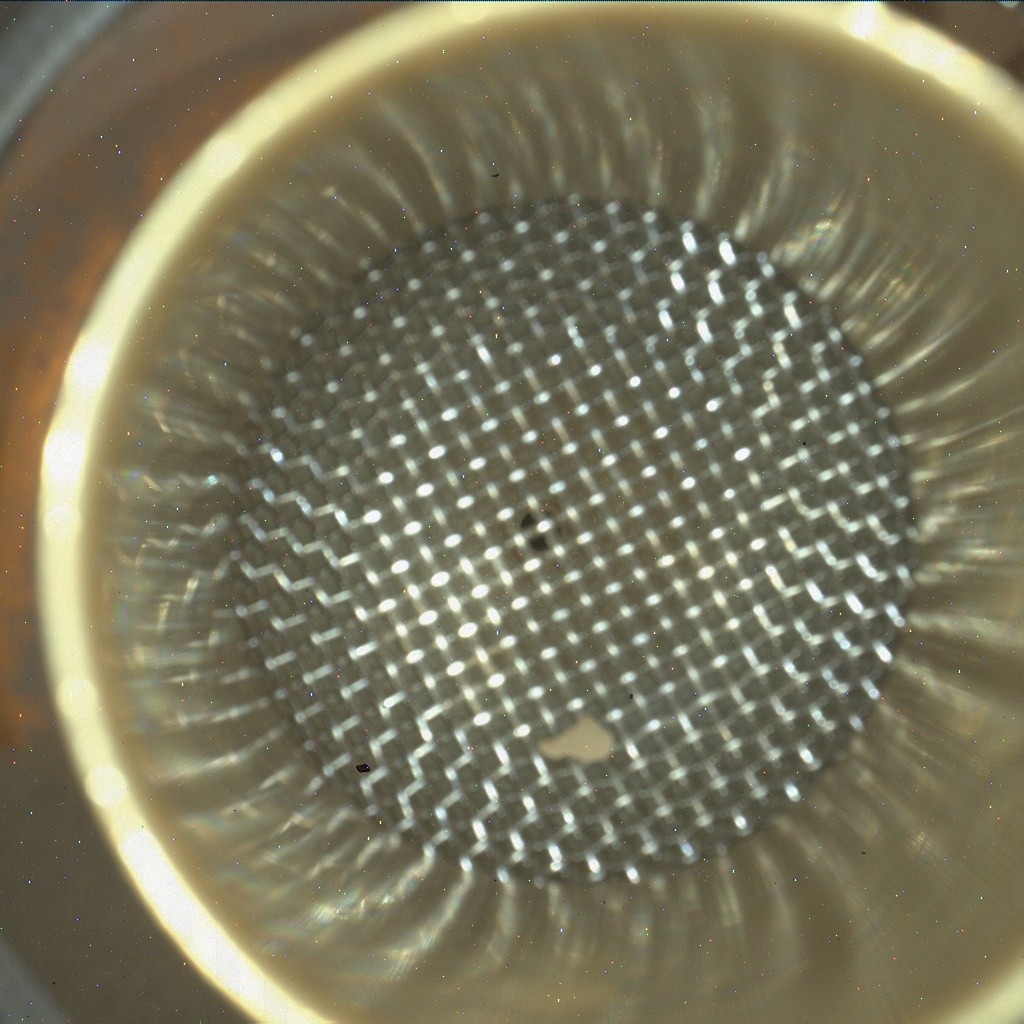
NASA's Curiosity rover completed its 47th successful drilling operation on Mars at a location called Campo Marte during sols 4908-4912, marking another milestone in the mission's decade-plus exploration of Gale Crater. The drill sample collection, led by the rover's science team including planetary mineralogist Susanne Schwenzer of The Open University, represents continued progress in Curiosity's geological investigation of Mars' surface composition and history.
Curiosity has maintained its operational capability far beyond its original two-year mission timeline. The rover's drilling apparatus remains one of its most valuable scientific instruments, allowing direct access to subsurface materials that preserve evidence of Mars' past habitability. Each drill site provides samples that the rover's onboard laboratory instruments analyze for organic compounds, mineral composition, and chemical signatures that reveal conditions when water flowed across the Martian surface.
The Campo Marte drilling site location and the productivity of the operation demonstrate Curiosity's sustained ability to conduct complex field geology on another planet. While drilling, the rover's team uses the stationary time efficiently to conduct additional observations and measurements, maximizing scientific return from each location. This operational approach reflects how Mars rovers serve as extensions of Earth-based scientists, executing detailed investigative work across months and years.
Curiosity's longevity exceeds the durability predictions engineers made in 2011. The rover has traversed over 30 kilometers across Gale Crater's varied terrain, from the base of Mount Sharp to recent exploration areas, collecting data that fundamentally shaped our understanding of Mars' transition from a potentially habitable world with liquid water to its current cold, dry state. Each drilling campaign adds geological context to this planetary history.
The mission continues under NASA's Mars Science Laboratory program, with Curiosity's instruments—including its Sample Analysis at Mars laboratory, radiation detector, and environmental sensors—providing data