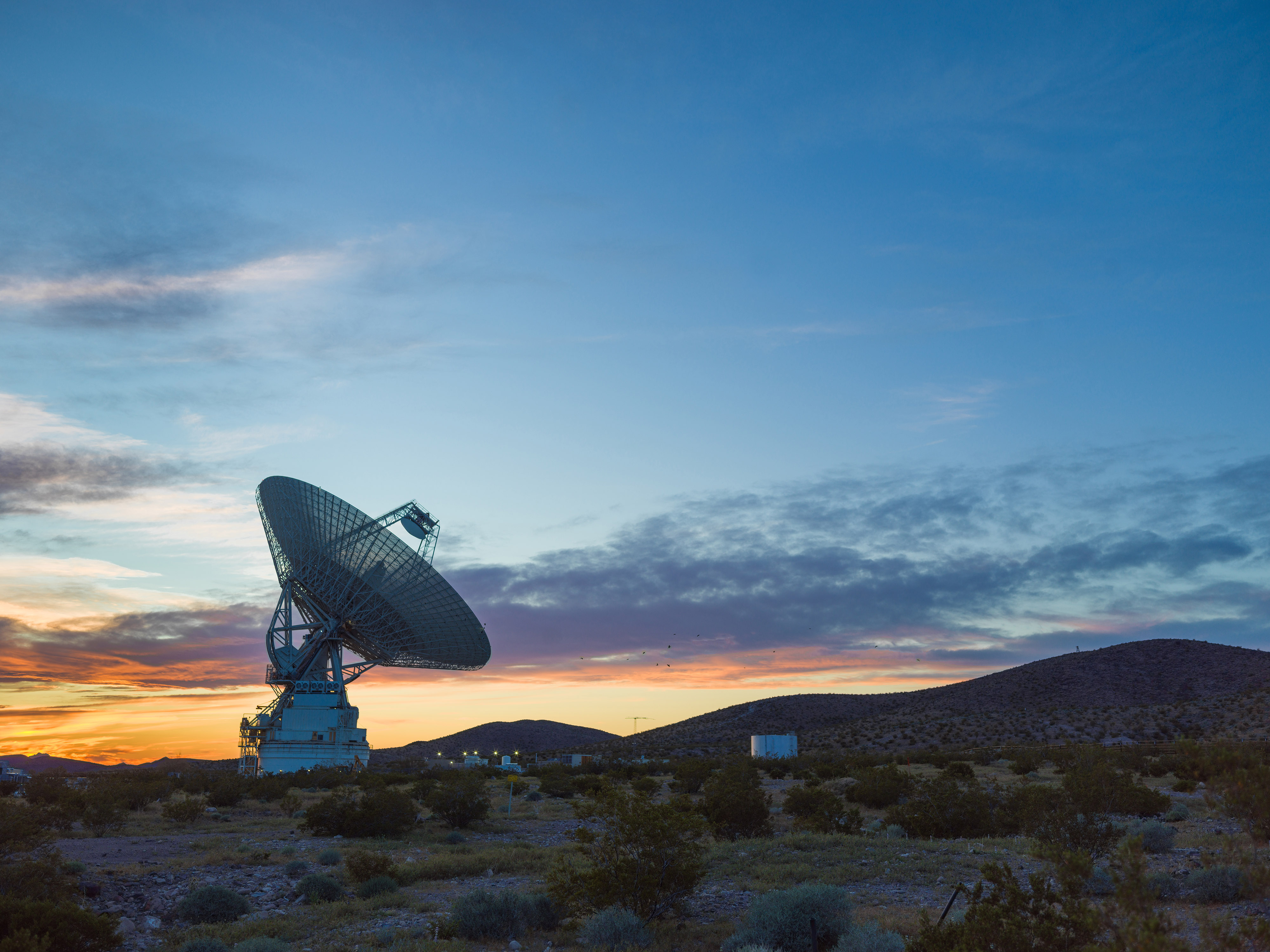
NASA completed its investigation into damage sustained by the Deep Space Station 14 antenna at the Goldstone Deep Space Communications Complex in California. The 70-meter radio-frequency antenna, a critical asset for planetary exploration, suffered damage last year that NASA classified as a Type A mishap based on repair costs.
DSS-14 ranks among NASA's most vital deep space communication instruments. The antenna transmits commands to spacecraft across the solar system and receives data from probes exploring Mars, the outer planets, and beyond. The Goldstone facility, operated by NASA's Jet Propulsion Laboratory in the Mojave Desert near Barstow, anchors the agency's Deep Space Network alongside stations in Spain and Australia.
The investigation report documents how the mishap occurred and establishes findings about the event. NASA's formal classification system categorizes incidents by severity and financial impact. Type A mishaps represent the highest cost threshold, indicating substantial expenses for repairs or replacement components.
The Deep Space Network antenna systems operate continuously, supporting missions including the Mars rovers Curiosity and Perseverance, the Juno probe orbiting Jupiter, the Parker Solar Probe studying the sun's corona, and dozens of other active spacecraft. A single 70-meter antenna can support multiple missions simultaneously through time-sharing and sophisticated signal processing.
Damage to DSS-14 temporarily reduced NASA's communication capacity with distant spacecraft, underscoring the network's critical role in space exploration. The agency maintains three 70-meter antennas globally to ensure redundancy and continuous contact with deep space missions. Repairs to damaged antennas typically involve specialized contractors and extended downtime.
NASA's release of the investigation report follows standard agency protocol for major mishaps. The report provides engineers and mission managers with technical details about failure mechanisms, helping prevent similar incidents at other facilities. Deep Space Network upgrades and maintenance continue as part of NASA's broader effort to