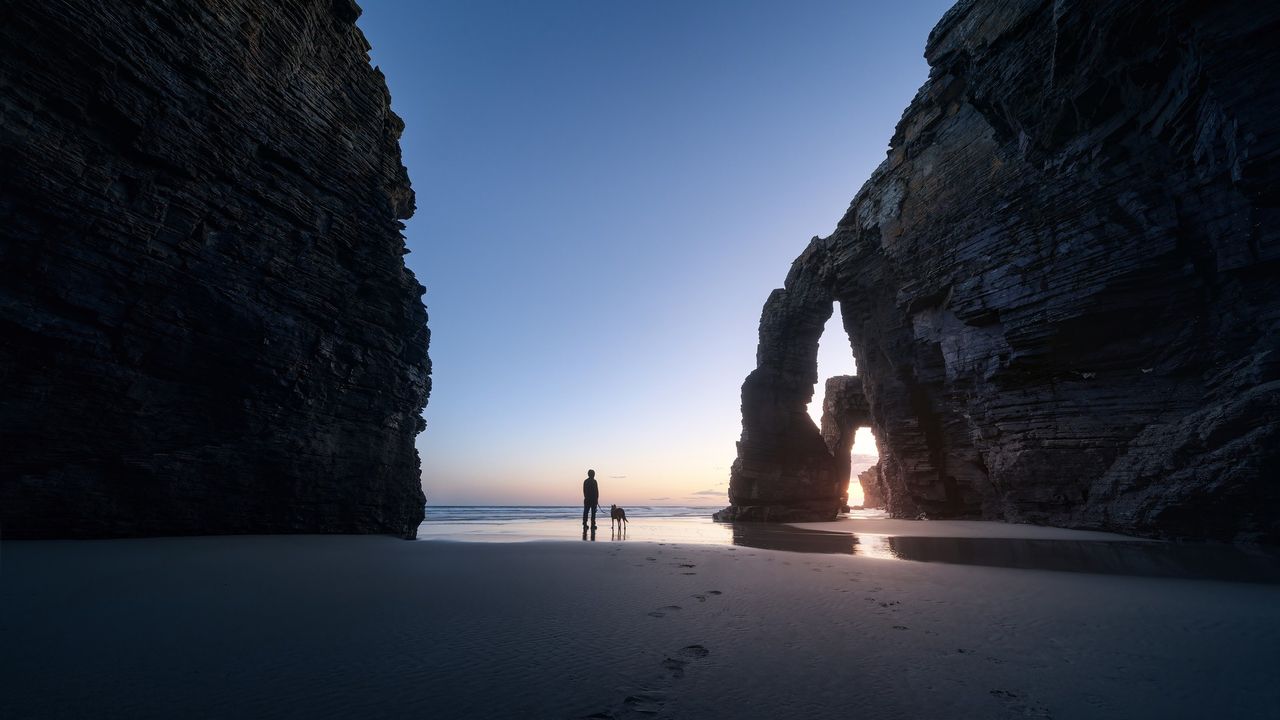
A total solar eclipse will cross Spanish shores on August 12, 2026, making several of the country's premier beaches prime viewing locations for this rare celestial event. The Moon's shadow will sweep across Spain during totality, transforming afternoon skies into darkness and revealing the Sun's corona to observers positioned along the path.
Spain's coastal geography positions it perfectly for this eclipse. Beach locations offer clear sight lines free from urban obstruction, plus the added advantage of typically favorable summer weather conditions in mid-August. Viewers at these Spanish beaches will experience several minutes of totality, depending on their exact position within the path.
During totality, observers can witness phenomena invisible during partial phases. The corona becomes visible as a ghostly halo surrounding the blocked solar disk. Stars emerge in daylight. The temperature drops noticeably. These effects require being directly in the path of totality, not merely in a region experiencing a partial eclipse.
Planning an eclipse expedition to Spain requires advance booking. Hotels, rental properties, and beaches in the path fill months before eclipse day. Travelers should secure accommodations early and plan transportation carefully, as roads become congested as eclipse day approaches.
Spanish beaches offer an exceptional combination of science and leisure. Observers can position themselves for optimal viewing while enjoying Mediterranean coastline. The 2026 eclipse represents one of the next accessible total solar eclipses for European observers, with the path crossing relatively accessible terrain compared to future eclipses that will traverse remote regions.
Preparation includes obtaining proper eclipse glasses certified to ISO 12312-2 international standards. Solar filters protect eyes during partial phases before and after totality. During the brief minutes of totality itself, the corona is safe to view without protection, though glasses should go back on immediately as the Sun emerges.