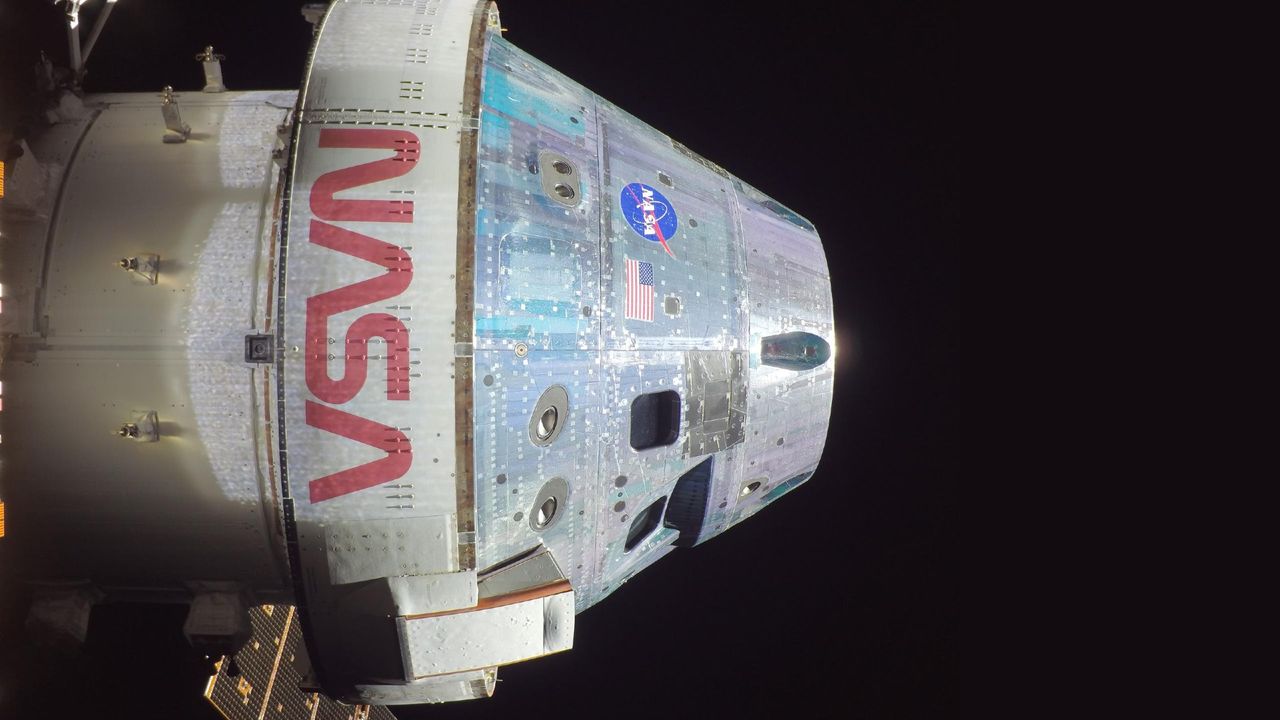
NASA operations teams now factor meteor shower forecasts into lunar mission planning, treating unexpected outbursts as scheduling hazards comparable to severe weather delays on Earth. The agency has established protocols to postpone moonwalks, equipment deployments, and other extravehicular activities if meteor storms threaten during scheduled operations.
The concern stems from the velocity and density of meteoroid streams. During major outbursts, meteors strike the lunar surface at speeds exceeding 70 kilometers per second. While Earth's atmosphere burns up most incoming space debris, the Moon lacks this protective shield. Dust-sized meteoroids can penetrate spacesuits and spacecraft hulls, and larger fragments pose direct collision risks to equipment and personnel.
NASA's Lunar Meteoroid Environment Office monitors forecasted meteor showers tied to known comet debris streams. The agency cross-references these predictions with Artemis mission timelines and lunar surface activity windows. If a significant outburst coincides with planned extravehicular activity, crews shelter inside habitat modules or remain in orbit until conditions improve.
This precaution affects mission scheduling directly. Artemis missions to the lunar surface must accommodate multi-day potential delays. NASA planners build buffer time into surface operation schedules, accepting reduced scientific productivity to maintain crew safety margins. The agency also evaluates landing site selections partly on meteor shower frequency and intensity patterns throughout lunar months.
The constraints intensify as NASA develops extended lunar presence through the Artemis program. Longer surface missions and more frequent launches increase exposure to meteor storm risk. Lunar Gateway stations and eventual surface habitats require hardened protection against meteoroid impacts, adding engineering complexity.
Researchers continue refining meteoroid flux models to predict outburst timing and intensity more precisely. Better forecasting reduces unnecessary mission delays while improving confidence in safety assessments. The data collected from Apollo missions and lunar orbiters like the Lunar Reconnaissance Orbiter helps