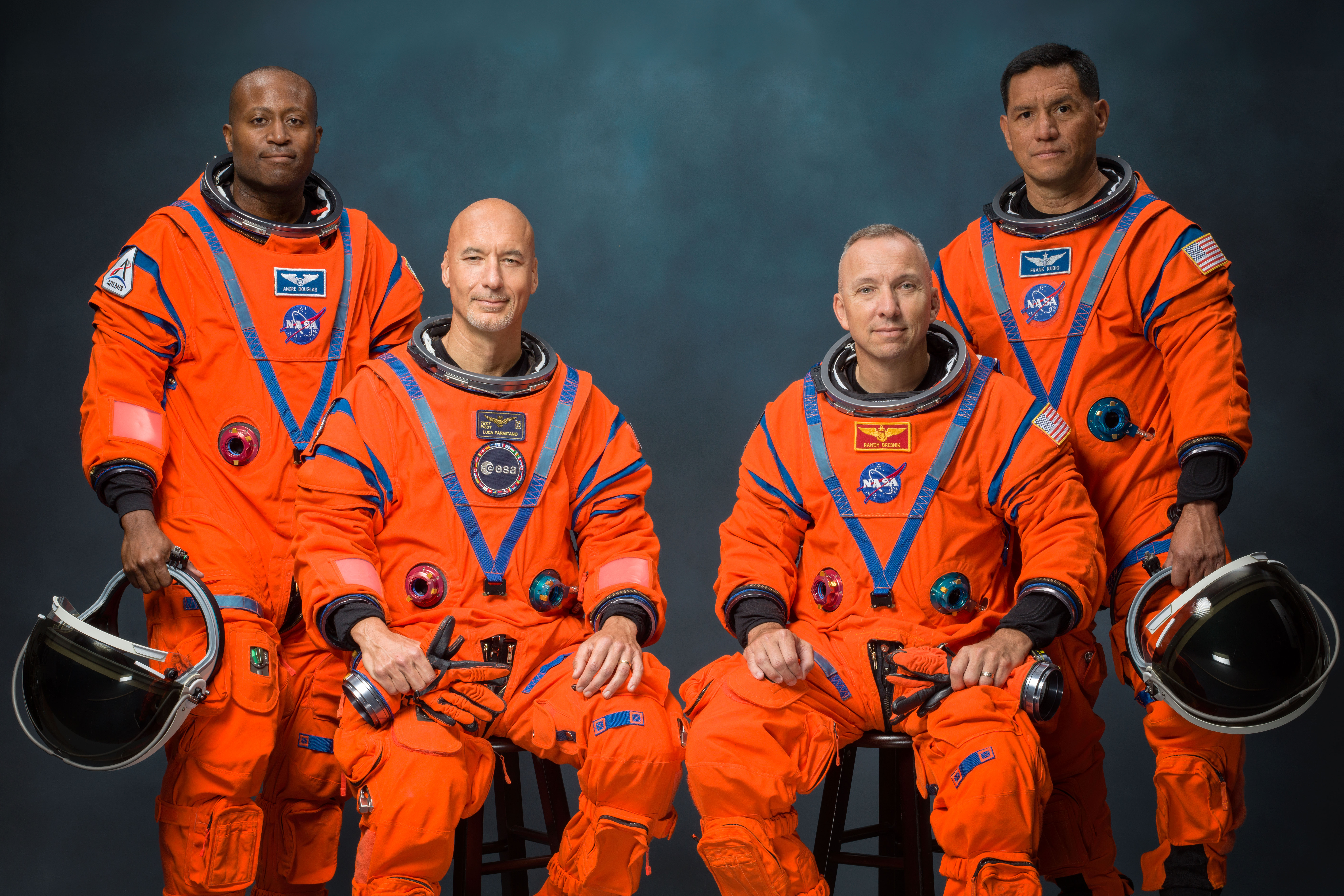
NASA announced the four primary crew members and one alternate for Artemis III, targeting a 2027 lunar landing. The agency revealed these details Tuesday as it advances preparations for one of the most complex crewed missions in recent history.
Artemis III represents the next phase of NASA's sustained lunar exploration program. The mission will land astronauts on the Moon's south polar region, an area of intense scientific interest due to permanently shadowed craters that may contain water ice. This location differs from Apollo's equatorial landing zones and demands new operational techniques and hardware.
The crew selection reflects NASA's commitment to diversity in space exploration. The agency selected four primary astronauts and designated one as backup, following procedures established for previous flagship missions. These individuals have completed rigorous training across multiple spacecraft systems, including the Orion capsule and the Human Landing System being developed for lunar descent.
Artemis III builds on Artemis II, the uncrewed test flight of Orion scheduled before the crewed lunar landing. This incremental approach allows NASA to validate life support systems, navigation, and landing procedures before committing astronauts to the lunar surface. The mission duration and surface stay remain under refinement as engineers finalize hardware specifications.
The south polar region presents unique challenges. Constant darkness in certain areas requires specialized lighting and thermal management. Water ice deposits could support future lunar bases by providing drinking water, oxygen, and fuel. Scientific instruments aboard Artemis III will characterize these resources and assess habitability for extended human presence.
The 2027 target date assumes successful completion of Artemis II and continued funding through Congress. Launch delays have affected previous timelines, but NASA continues development of the Space Launch System heavy-lift rocket and supporting ground infrastructure at Kennedy Space Center. International partnerships with ESA and other agencies contribute hardware and expertise.
This mission marks a fundamental shift in lunar exploration. Unlike Apollo's brief visits