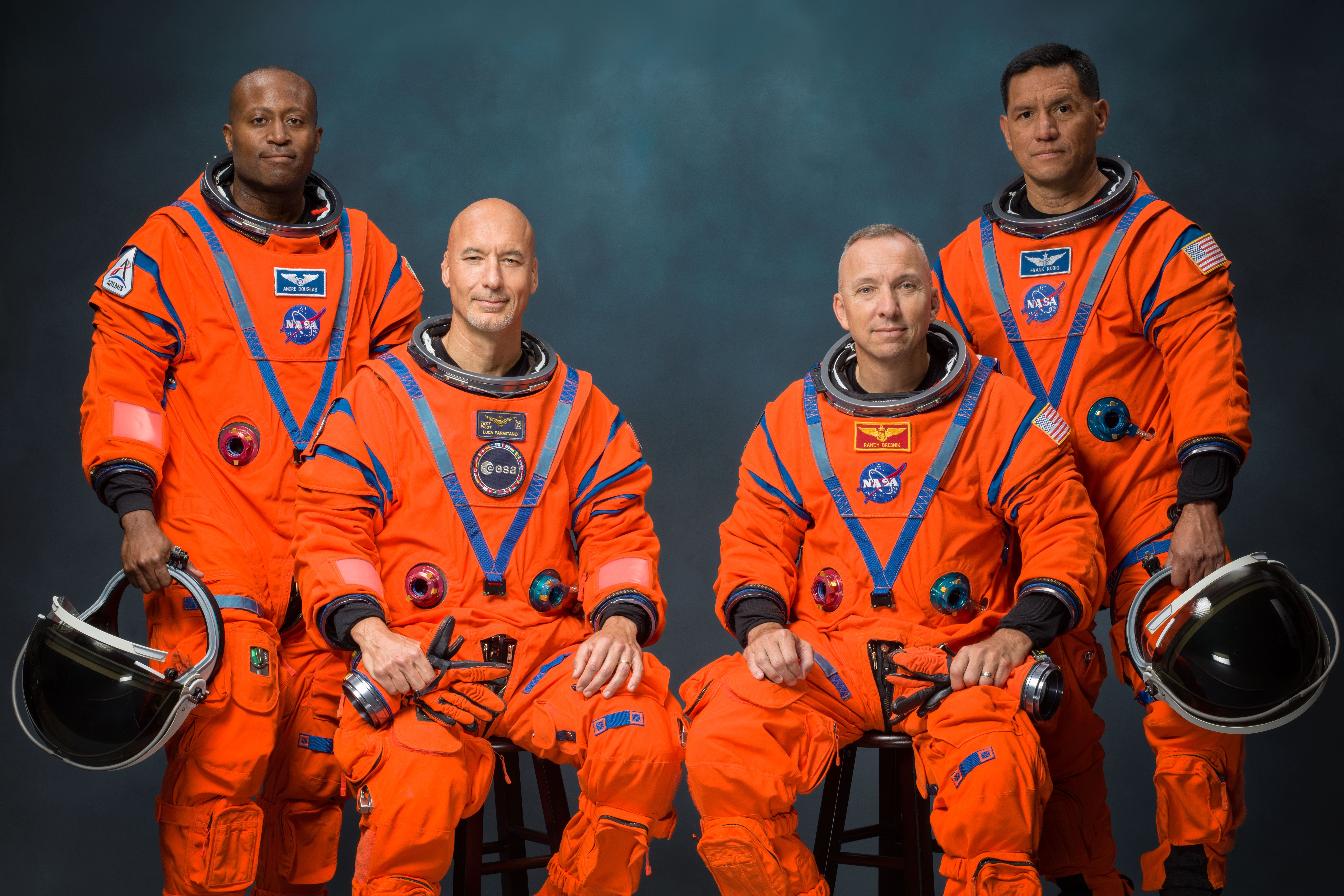
NASA identified the crew for Artemis III, the lunar landing mission scheduled for 2027 that will return humans to the Moon for the first time since Apollo 17 in 1972. The space agency announced four prime crew members and one backup astronaut who will conduct orbital test flights before attempting the lunar descent.
Artemis III represents the most complex crewed spaceflight operation NASA has attempted in decades. The mission will validate life support systems, docking procedures, and extravehicular activity protocols in Earth orbit before committing to the lunar surface phase. These tests directly inform Artemis IV, the follow-on mission that will establish sustained lunar operations.
The crew selection reflects NASA's commitment to the Artemis program, which aims to land the first woman and first person of color on the Moon. The chosen astronauts bring extensive spaceflight experience and specialized training for lunar operations. Their preparation includes simulator time in the Orion spacecraft mockup, SpaceX Starship familiarization, and geology training for lunar sample collection.
Artemis III's architecture depends on multiple systems working in concert. NASA's Space Launch System will deliver the Orion capsule to lunar orbit. A SpaceX Starship, refueled in Earth orbit, will transport the crew from Orion to the lunar surface and back. This lunar starship approach represents a departure from traditional Apollo architecture, incorporating commercial partnerships that reduce development costs and timelines.
The 2027 target date places Artemis III roughly five years away, allowing time for final integration testing of the lunar vehicle and refinement of descent and ascent procedures. Launch readiness reviews at NASA's Kennedy Space Center will occur throughout 2026.
This mission carries profound scientific objectives. Crew members will explore regions near the lunar south pole, searching for water ice deposits that could support future habitation and fuel production. Geological samples collected