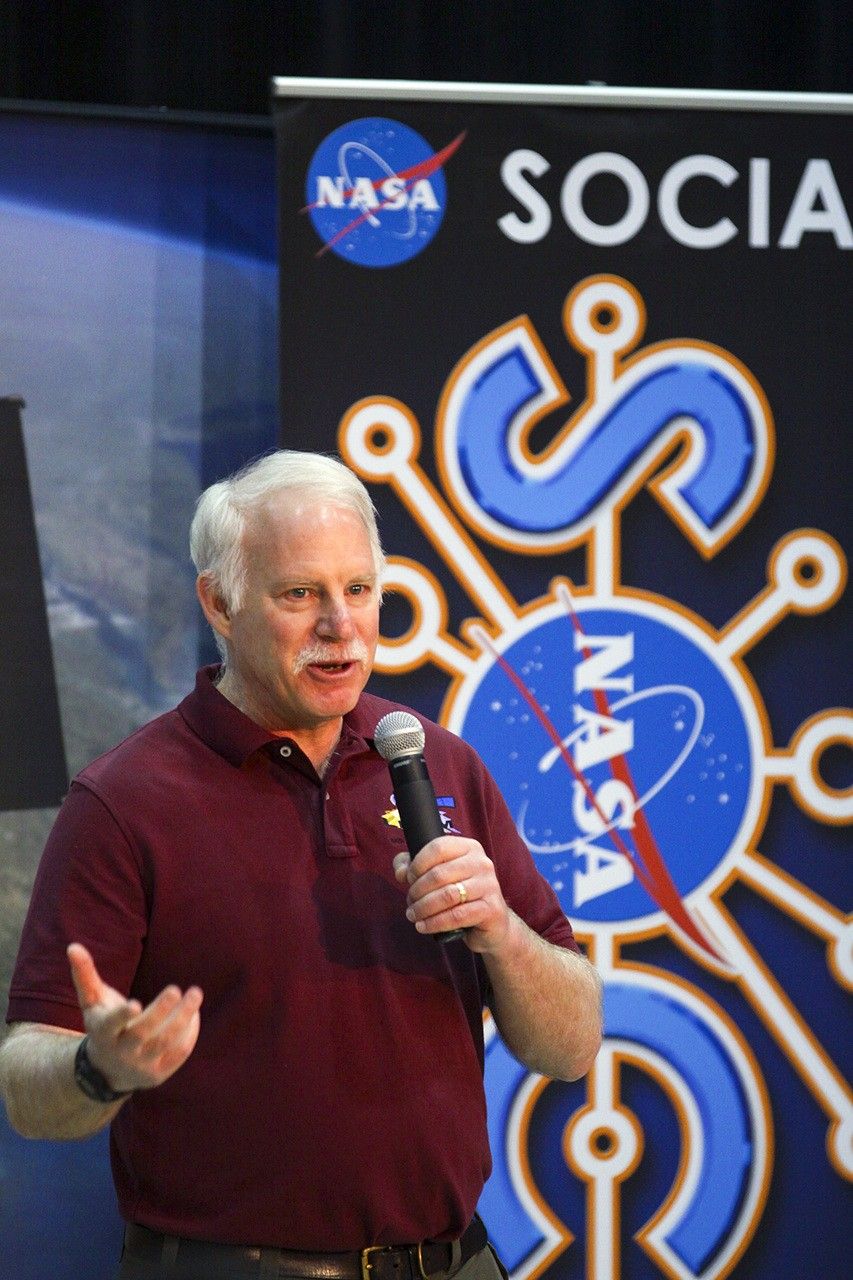
Jim Irons, the former project scientist for NASA's Landsat program, has received the William T. Pecora Award, recognizing his decades of leadership in Earth observation science. Irons spent his career at NASA Goddard Space Flight Center, where he shaped the technical direction and scientific priorities of Landsat, the world's longest-running civilian Earth imaging mission.
The Pecora Award stands as one of the highest honors in remote sensing and Earth science. Named after the USGS official who championed Landsat's creation in the 1970s, the award recognizes individuals who advance understanding of Earth's land surface through satellite technology and data.
Irons' contributions to Landsat span the mission's evolution across multiple satellite generations. Landsat collects multispectral imagery of Earth's surface at 30-meter resolution, capturing data on agriculture, forestry, water resources, urban development, and environmental change. The consistency of Landsat's data stream across five decades makes it the gold standard for tracking long-term terrestrial shifts. Irons helped maintain that continuity while incorporating technological improvements that expanded Landsat's scientific capabilities.
His work centered on ensuring Landsat data served the broadest possible research community. From glacial retreat in the Arctic to deforestation in the Amazon, Landsat's freely available archive has powered thousands of peer-reviewed studies. Irons advocated for open data policies that democratized access to satellite information, influencing how NASA and international space agencies approach Earth observation science.
Now emeritus at Goddard, Irons continues contributing to Earth science priorities as Landsat approaches its sixth decade of operation. The current Landsat 9, launched in 2021, carries instruments refined through decades of Irons' technical stewardship. His recognition through the Pecora Award acknowledges both his individual achievement and his role