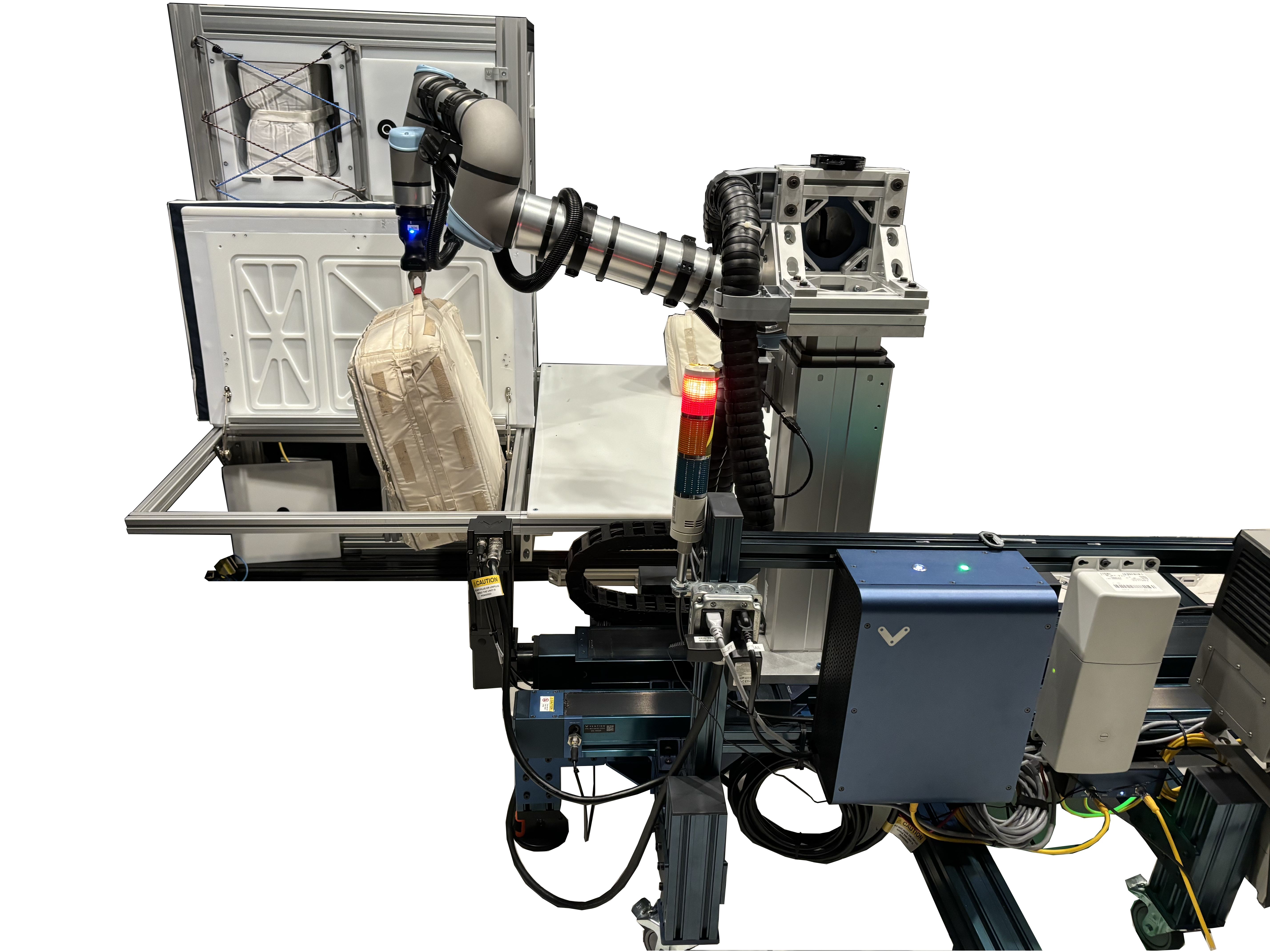
NASA is advancing robotic autonomy technology to support lunar missions, enlisting private industry to develop systems that enable robots to operate with minimal human oversight. The space agency recognizes that astronauts on extended Moon operations need to focus on scientific discovery rather than managing robotic systems, making intelligent automation essential for mission efficiency.
The collaboration centers on solving core robotics challenges. Current systems struggle with real-time decision-making, object recognition, and motion control in unpredictable environments. These capabilities require sophisticated algorithms and sensing systems that can function reliably in lunar dust, extreme temperature swings, and terrain variations that Earth-based training cannot fully replicate.
A Boulder, Colorado-based robotics firm is at the forefront of this effort, working directly with NASA to integrate artificial intelligence into robotic platforms. The partnership accelerates development of systems that can identify obstacles, navigate autonomously, and execute complex tasks without constant operator input from Earth. Such independence becomes critical given the communication delays between Earth and the Moon.
The significance extends beyond logistics. Robotic surrogates handling excavation, sample collection, habitat maintenance, and equipment assembly multiply what astronaut crews accomplish during finite stays. This approach echoes strategies NASA employed with rovers on Mars, where autonomy became necessary due to signal delays. Lunar robots operating with similar intelligence could scout dangerous terrain, prepare sites before human arrival, and continue work during crew downtime.
NASA's emphasis on public-private collaboration reflects a broader shift in space exploration strategy. Rather than developing robotics exclusively in-house, the agency leverages specialized commercial expertise while maintaining oversight of mission-critical systems. This model accelerates innovation while distributing development costs.
The technology also has terrestrial applications. Advances in autonomous object recognition and decision-making systems developed for lunar missions transfer to industrial, healthcare, and disaster-response sectors. NASA's investment in robotic intelligence thus generates returns across multiple fields while strengthening the technical