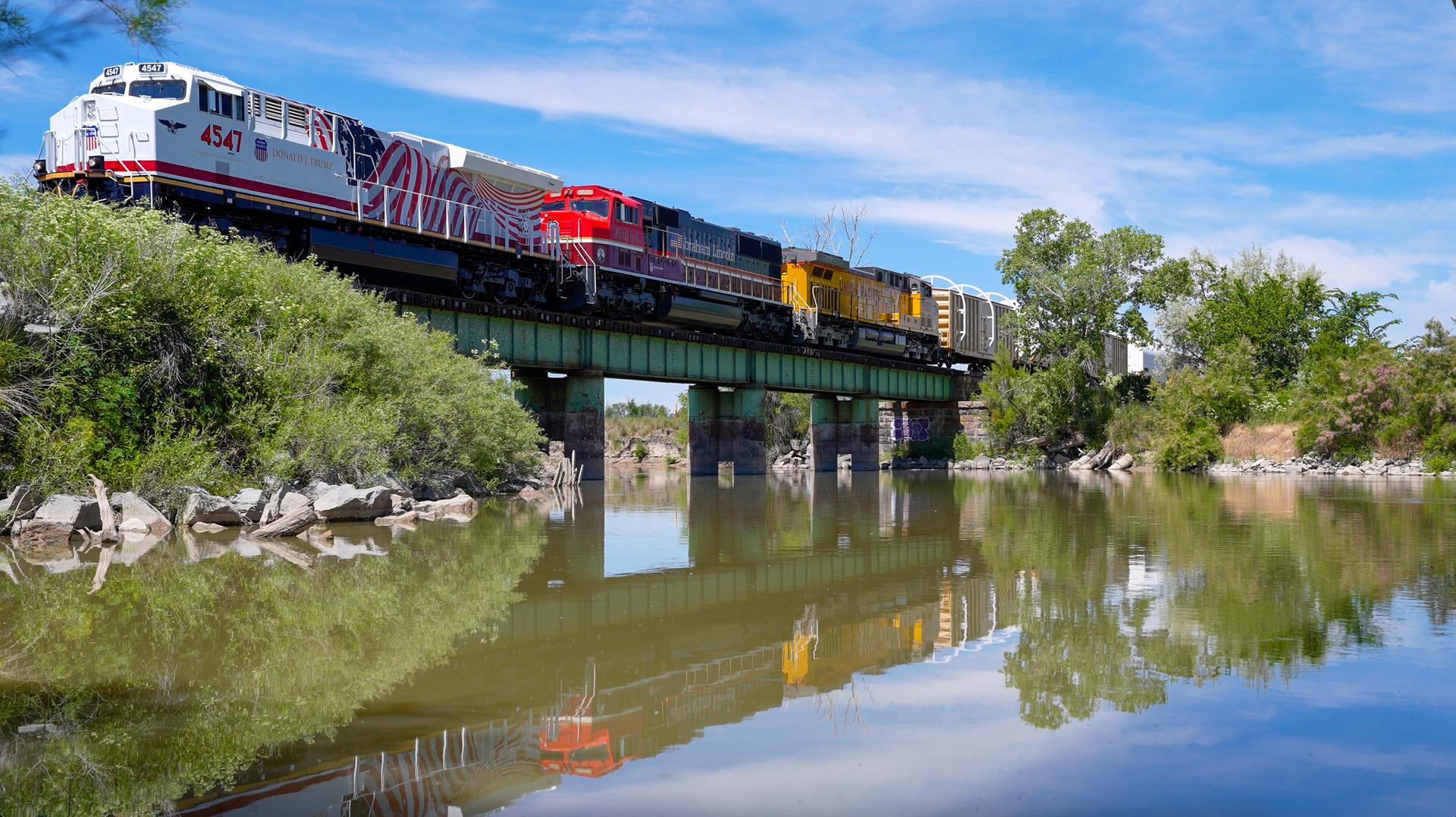
Northrop Grumman shipped the final eight booster motor segments for NASA's Space Launch System rocket on June 2 from its Corinne, Utah facility. These components are bound for Kennedy Space Center in Florida, where they will be integrated into the SLS booster that will launch Artemis III astronauts toward the Moon.
The SLS represents NASA's most powerful operational rocket, designed specifically to carry the Orion spacecraft and crew beyond Earth orbit. Each booster motor segment contains solid rocket propellant and represents a critical piece of the lunar architecture. The segments undergo rigorous testing and quality assurance before shipment. Transportation by rail protects these complex components during transit across the continental United States.
Artemis III aims to land astronauts on the lunar surface for the first time since Apollo 17 in 1972. The mission builds on the foundation of Artemis I, an uncrewed test flight that validated the SLS and Orion systems in 2022. Artemis II will carry astronauts around the Moon before the program attempts a surface landing with Artemis III.
The delivery of these final motor segments marks another milestone in Artemis preparation. Kennedy Space Center functions as the primary assembly and launch facility for the SLS, where technicians will mate the booster segments with the core stage and upper stage. This integration process requires precision engineering and extensive verification testing before the rocket achieves final readiness.
SLS development involved partnerships across NASA centers, contractors, and suppliers. Northrop Grumman manufactures the five-segment solid rocket boosters based on heritage designs from the Space Shuttle program, modified for the enhanced thrust requirements of the SLS. The progression from component manufacturing to final assembly demonstrates the scale of effort required to return humans to deep space exploration. These motor segments represent decades of aerospace expertise and engineering innovation directed toward enabling sustained lunar exploration