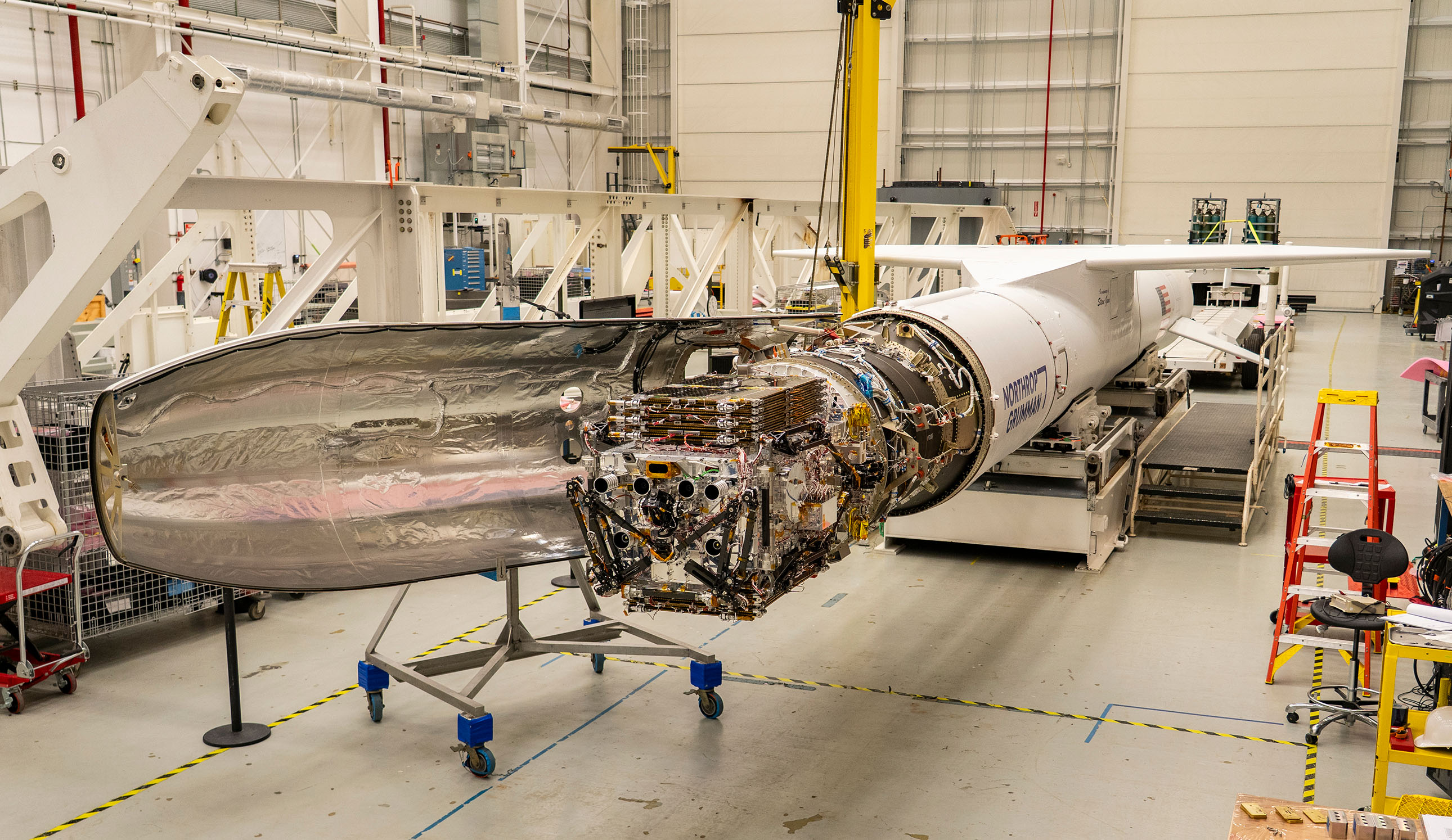
NASA will conduct a media briefing on June 17 to detail the Katalyst Space mission, which aims to extend the operational life of the Neil Gehrels Swift Observatory through orbital servicing. The Katalyst robotic spacecraft, designated LINK, will rendezvous with Swift and raise its altitude to counteract orbital decay.
Swift has operated continuously since its 2004 launch, studying gamma-ray bursts, neutron stars, and other high-energy phenomena across multiple wavelengths. The observatory represents decades of accumulated observations and expertise that remain scientifically productive. Without intervention, Swift's orbit naturally decays over time as atmospheric drag slowly reduces its altitude, eventually forcing decommissioning.
The Katalyst mission demonstrates a shift in how NASA sustains aging space assets. Rather than accepting orbital decay as inevitable, the agency now pursues on-orbit servicing to preserve valuable observatories. This approach mirrors broader industry trends toward spacecraft refueling and repair in orbit, pioneered by companies like SpaceX and emerging servicing providers.
LINK will autonomously approach Swift, dock with it, and provide the thrust needed to restore the observatory to a higher, more stable orbit. This technique extends Swift's operational window by years, allowing astronomers to continue gathering data on transient gamma-ray sources and supporting follow-up observations for gravitational wave detections and other time-sensitive astronomical events.
The Katalyst mission carries implications beyond Swift alone. Success demonstrates the feasibility of orbital servicing for government science missions, potentially opening pathways to extend other aging observatories like Chandra or TESS. As space becomes more crowded and orbital infrastructure ages, on-orbit servicing transforms from novelty to necessity. The technique reduces space debris by preserving functional spacecraft and maximizes return on investments in advanced instrumentation.
Swift's continued operation directly supports multimessenger astronomy, where observations