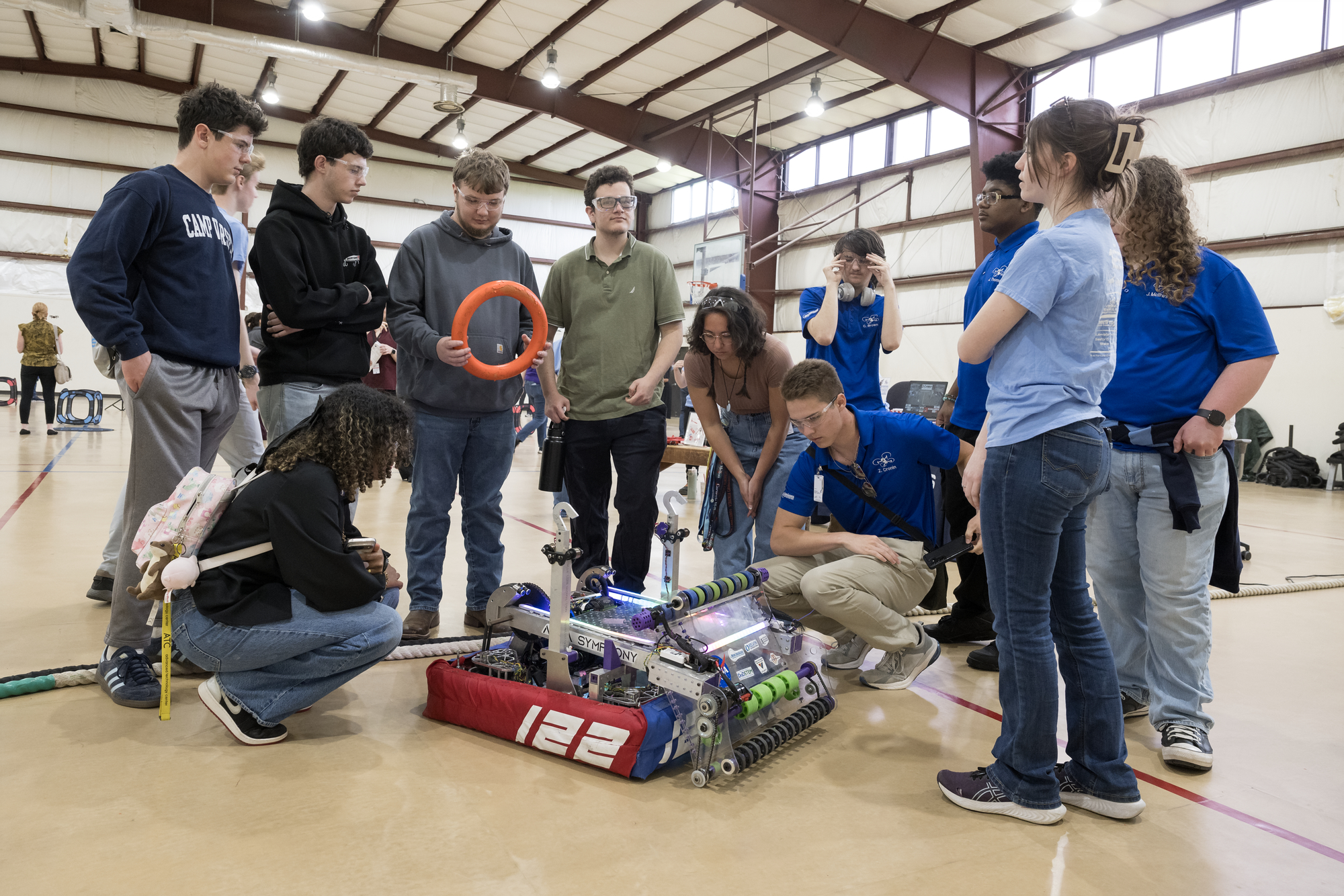
NASA hosted a Career Technical Education Day to spotlight technical workforce roles essential to the agency's exploration missions. Technicians form the backbone of NASA operations, applying hands-on skills in engineering, fabrication, electronics, and specialized manufacturing across all centers and programs.
The Office of STEM Engagement organized the event to recruit and cultivate the next generation of technical professionals. These workers directly support everything from launch vehicle assembly to spacecraft systems integration to instrument calibration. Without skilled technicians, missions to Mars, lunar orbit, and deep space would not launch.
NASA faces a persistent challenge in filling technical positions as experienced workers retire and fewer young people pursue hands-on trades. The agency competes with private aerospace companies like SpaceX and Blue Origin for talent. Career Technical Education Day addresses this pipeline problem by introducing students to concrete pathways into NASA employment.
Technician roles span diverse specialties. Some fabricate structural components for rockets and spacecraft. Others maintain ground support equipment or troubleshoot avionics systems. Quality assurance technicians verify that every part meets unforgiving spaceflight standards. Electronics technicians work on guidance systems and telemetry.
These positions offer competitive salaries and federal benefits. Many require two-year associate degrees from community colleges rather than four-year university programs, making them accessible entry points into aerospace careers. Apprenticeships and on-the-job training programs supplement formal education.
NASA's outreach effort recognizes that technical excellence depends on sustained recruitment. As the agency pursues ambitious goals, including sustained lunar operations and eventual human Mars missions, it needs technicians who can execute complex manufacturing and assembly tasks with precision. Career Technical Education Day connects students with mentors and hiring managers, demonstrating that hands-on technical work remains central to space exploration's future.