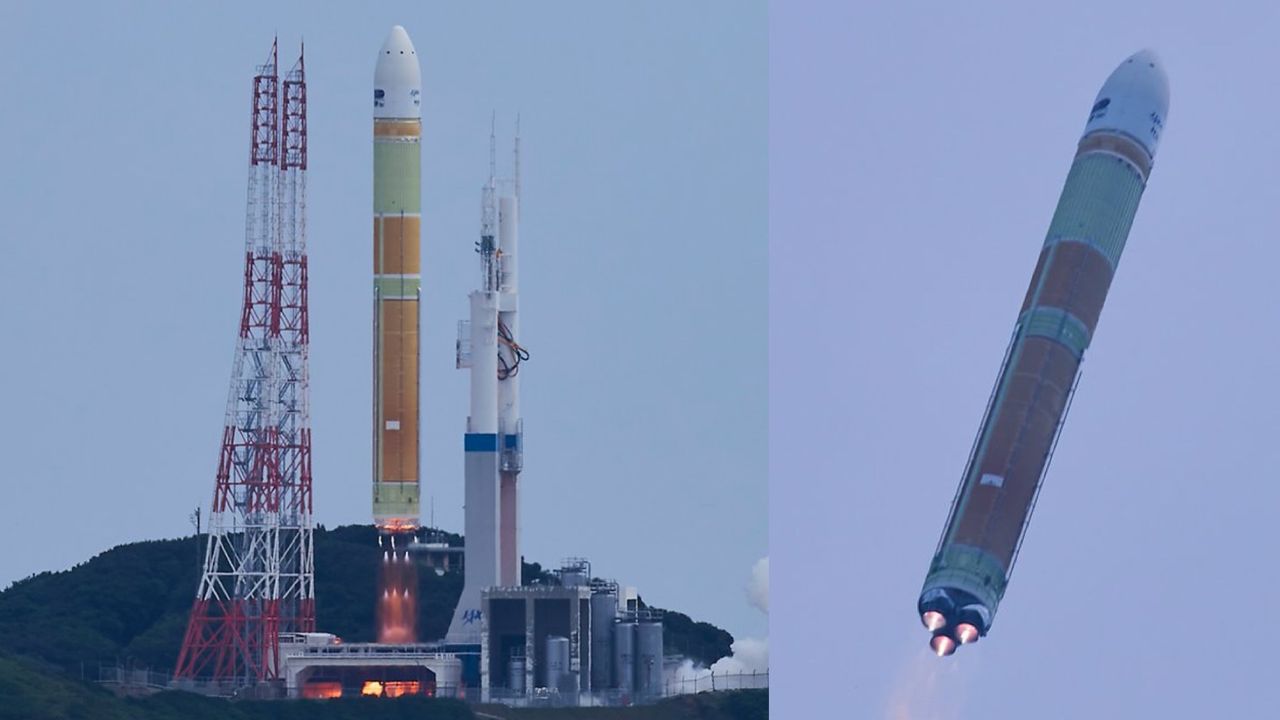
Japan's space program marked a significant recovery with the H3 rocket's successful return to flight on March 11, 2024. The Japan Aerospace Exploration Agency (JAXA) launched the vehicle carrying six satellites after a devastating failure in March 2023 that destroyed the rocket and its payload during the first stage ascent.
The H3 represents Japan's next-generation heavy-lift launch system, designed to reduce launch costs while increasing reliability compared to the legacy H-IIA. Engineers at JAXA traced the 2023 failure to a sensor malfunction that prevented proper engine ignition sequence recognition, causing the vehicle to shut down prematurely. The agency implemented extensive corrective measures across avionics systems and ground operations before attempting another flight.
The successful mission validated those engineering fixes and demonstrated JAXA's capacity to troubleshoot complex spaceflight systems. The six-satellite payload included Earth observation and communication spacecraft that will serve Japanese and international customers. This return demonstrates the resilience required in the space industry, where single failures can delay programs by months or years.
The H3 program carries strategic importance for Japan's space independence. The vehicle competes with SpaceX's Falcon 9 and other international launch providers for commercial contracts. JAXA needs multiple successful H3 flights to establish operational reliability and attract satellite operators to Japanese launch services.
Japan's broader space goals depend on the H3's performance. The rocket will eventually support lunar missions, including contributions to NASA's Artemis program, and may launch components for Japan's planned space station activities. With the return-to-flight mission accomplished, JAXA has positioned itself to resume regular H3 operations and work toward the two to three launches per year originally planned.
The success reinforces Japan's technical capabilities in rocketry and propulsion engineering. Despite the previous setback, the program's swift recovery demonstrates the depth