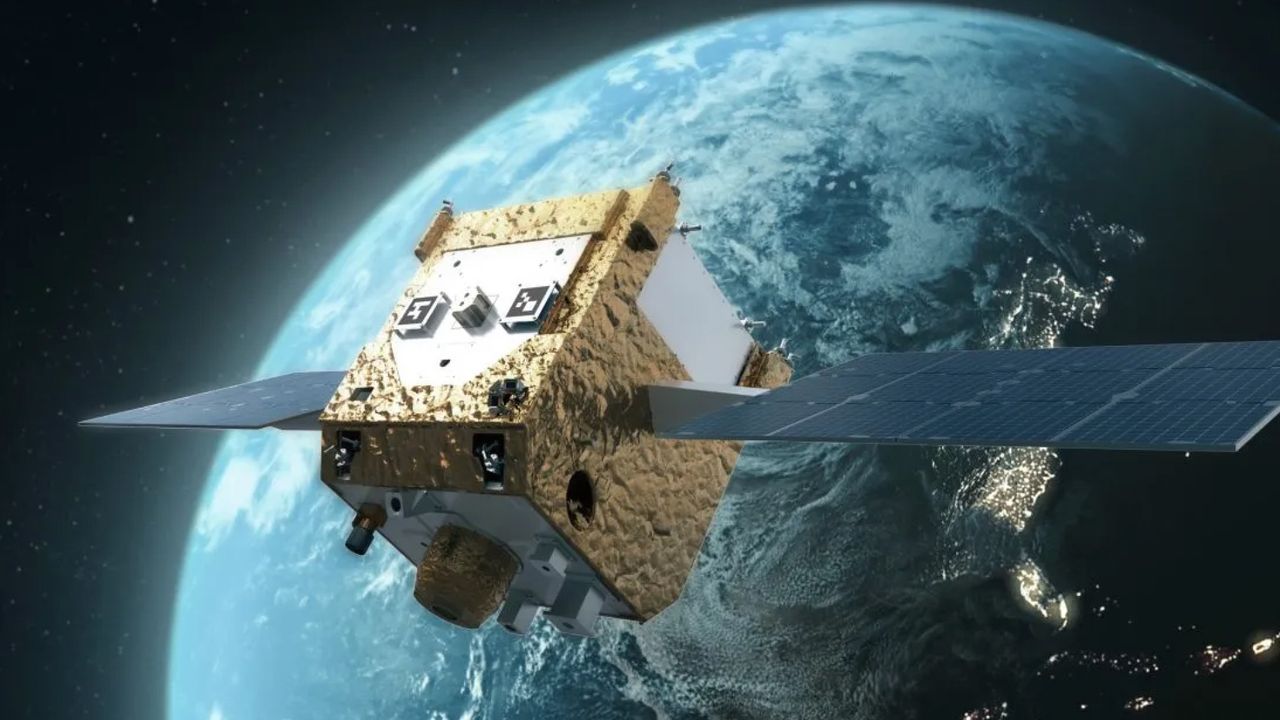
The US Space Force is developing orbital warehouses as part of a broader strategy to strengthen space infrastructure and operational capabilities. Two scheduled 2027 missions will test spacecraft maneuvering techniques essential for servicing, refueling, and repositioning assets in orbit.
Orbital warehouses function as depots stationed in space, allowing the military to pre-position supplies, spare parts, and propellant without requiring constant resupply missions from Earth. This approach reduces launch costs and response times for military space operations. The concept mirrors logistics practices perfected on the ground, but adapted for the orbital environment where assets can remain indefinitely once placed.
The 2027 test missions will evaluate rendezvous and docking procedures necessary for spacecraft to approach and dock with orbiting warehouses. These demonstrations address technical hurdles including autonomous navigation, precise positioning, and mechanical capture in the microgravity environment. Success in these areas enables the Space Force to operate more flexibly across orbital altitudes and inclinations critical to national security.
Military space operations increasingly depend on rapid access to orbit and sustained presence there. Orbital warehouses eliminate bottlenecks created by ground-based supply chains. If a satellite requires propellant or repairs, a crewed or robotic vehicle can dock at the nearest warehouse rather than waiting for a dedicated launch from Earth. This capability supports the Space Force's pivot toward agile space operations and contested environments where adversaries may threaten traditional launch infrastructure.
The warehouse concept also supports the Space Force's broader modernization efforts, including plans for space-based missiles and sustained military presence in orbit. By establishing forward-deployed logistics nodes, the military gains operational advantages in speed, redundancy, and resilience.
These 2027 demonstrations represent a maturation of space logistics technology that commercial operators like SpaceX and Orbital Refueling Corporation are also pursuing. The convergence of military and commercial interests in orbital