SpaceX's Dragon cargo spacecraft splashed down in the Pacific Ocean carrying one of the heaviest science payloads to date from the International Space Station. The capsule completed NASA's 34th commercial resupply mission, known as CRS-34, returning biological samples, materials experiments, and flight-tested hardware to research teams across the United States.
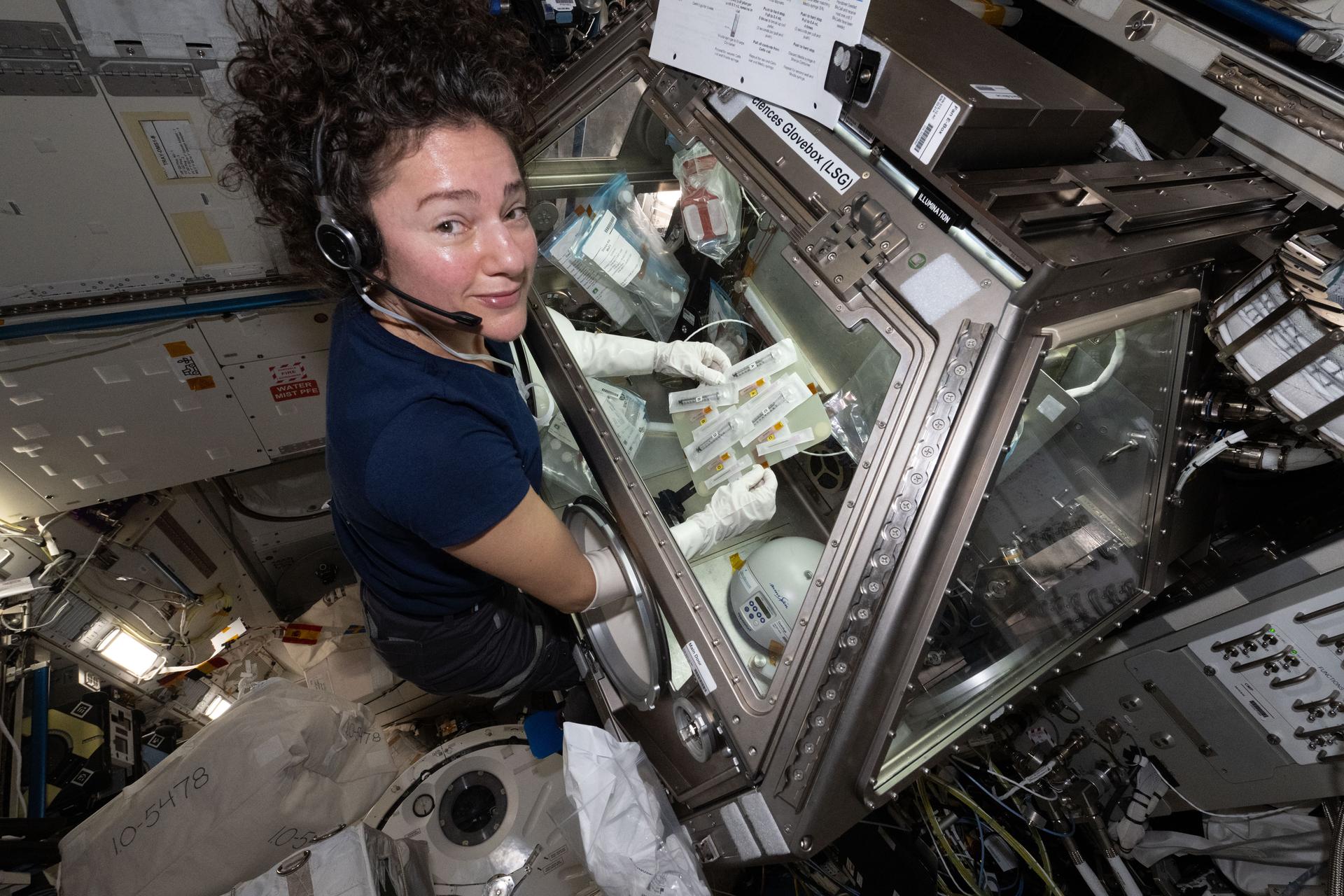
The Dragon vehicle transported results from investigations conducted aboard the orbiting laboratory, where microgravity conditions enable research impossible on Earth. Biological samples from long-duration exposure experiments provide data on how living organisms adapt to weightlessness. Materials science investigations tested how metals, polymers, and composites behave without gravity's influence, findings applicable to manufacturing and engineering on the ground.
The hardware returning includes equipment that supported life sciences experiments, technology demonstrations, and fundamental physics research. Samples from protein crystal growth studies offer insights for pharmaceutical development. Materials tested in the vacuum of space will inform the design of future spacecraft and structures for long-duration missions to the Moon and Mars.
SpaceX's Dragon capsule serves as the primary logistics vehicle for the ISS, combining cargo delivery with return capability that other spacecraft lack. Unlike cargo modules that burn up during reentry, Dragon's pressurized cabin allows researchers to recover intact experiments and biological specimens within hours of landing, preserving their scientific value.
This mission reinforces the operational model NASA established through its Commercial Resupply Services program, which contracts private companies to ferry supplies and experiments to the station. The arrangement reduces costs while maintaining regular access to the unique research environment of low Earth orbit.
The samples and hardware returning from CRS-34 will undergo detailed analysis at institutions including universities, national laboratories, and NASA centers. Results will feed into ongoing investigations of microgravity's effects on human physiology, drug development, and materials innovation. These findings support NASA's broader exploration objectives, providing the biological and technical data necessary for sustained