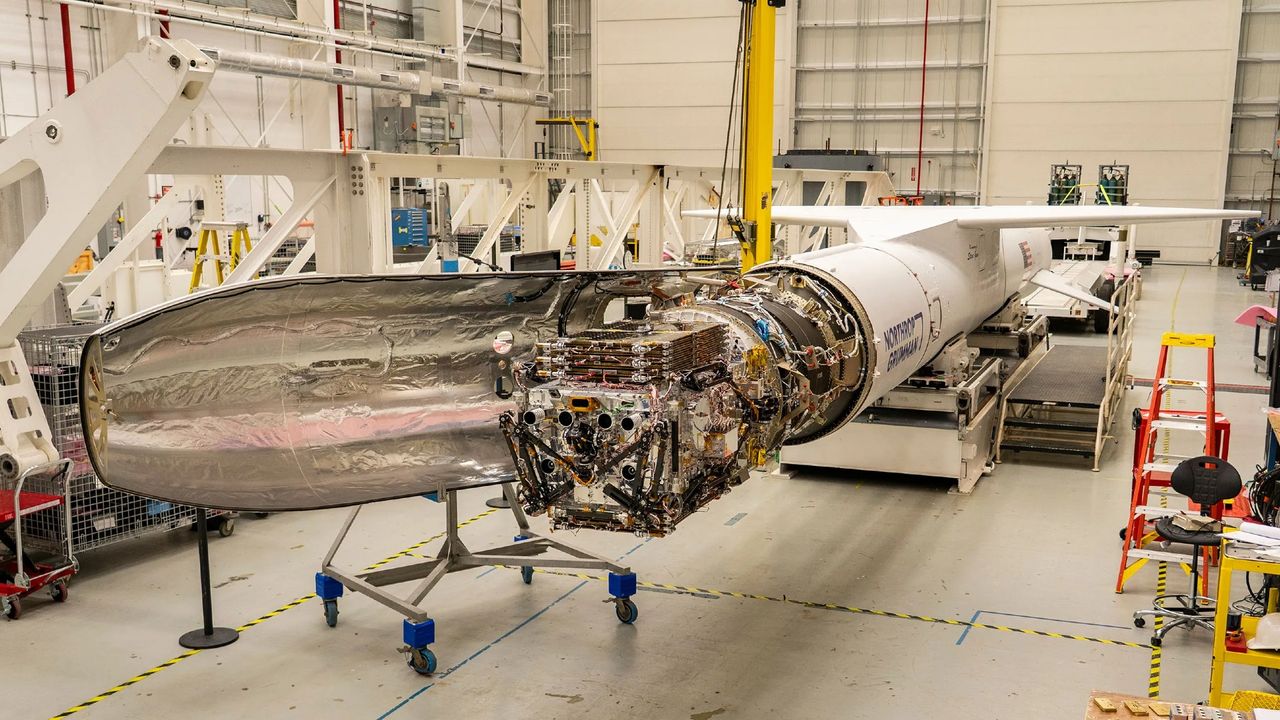
A satellite-servicing spacecraft has been integrated into its launch vehicle at a NASA facility, readying the mission to rendezvous with and repair an aging orbital asset. The encapsulation process, which protects the spacecraft during ascent through the atmosphere, marks a final assembly milestone before launch.
Satellite servicing represents an emerging capability within spaceflight operations. Rather than replacing defunct or degraded satellites, specially designed spacecraft can extend their operational lives through on-orbit repairs, refueling, and component replacements. This approach reduces orbital debris and maximizes return on investment for expensive space infrastructure.
The mission leverages an air-launch platform, a rocket system that releases from a high-altitude aircraft rather than launching vertically from a ground facility. Air-launch reduces infrastructure requirements and offers flexibility in launch scheduling and location. The approach has gained traction for smaller payloads and specialized missions requiring responsive launch capabilities.
Satellite servicing addresses a growing problem in orbital operations. Communication, Earth observation, and scientific satellites often become stranded when fuel depletes or components fail, despite retaining functional capabilities. Traditional replacement missions require building, testing, and launching entirely new spacecraft. A servicing vehicle can dock with these satellites, perform maintenance tasks, and add fuel to extend mission duration by years or decades.
NASA has invested in satellite servicing technology through programs like the Restore-L mission concept and partnerships with commercial operators. The agency views on-orbit servicing as essential infrastructure for sustainable space operations as orbital traffic increases and constellation deployments accelerate.
The encapsulated spacecraft now awaits final launch preparation, including fueling, systems checks, and weather monitoring. Once liftoff occurs, the vehicle will carry its payload to the target satellite's orbit for rendez vous operations. Success would demonstrate that satellite servicing can transition from concept to routine operational capability, fundamentally changing how the spacefaring community manages aging assets and extends mission value