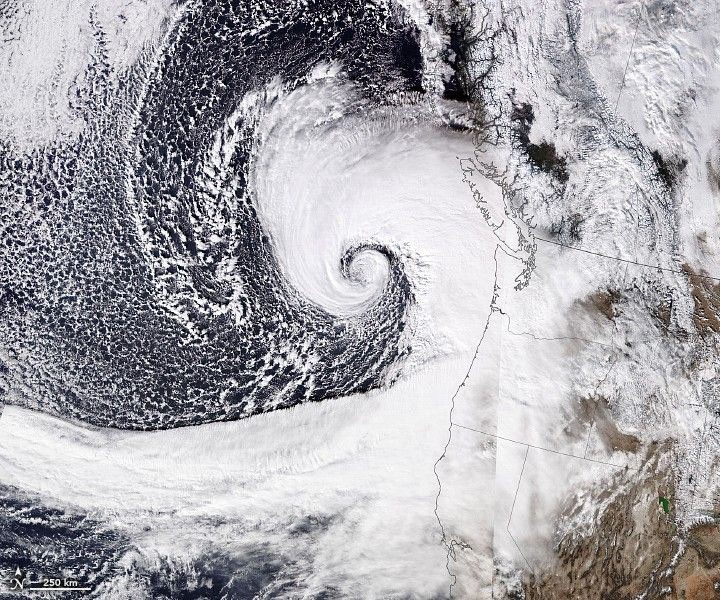
NASA has deployed a machine learning system called the Transient Artifact and Continuous Learning System (TACLS) to strengthen flash flood forecasting capabilities. The system processes real-time satellite data from continuously operating networks and feeds it through machine learning algorithms to assist meteorologists at the National Weather Service.
TACLS represents a practical application of space-based Earth observation for severe weather prediction. Satellites continuously monitor atmospheric conditions, precipitation patterns, and ground moisture levels. The machine learning component identifies patterns within this data stream that human forecasters might miss, enabling faster and more accurate flood warnings.
Flash floods kill more people annually than any other weather hazard in the United States. Traditional forecasting relies on radar data, weather models, and human expertise. TACLS augments this workflow by automating pattern recognition across massive datasets. The system learns from historical flood events to recognize warning signatures in current conditions.
The integration works because satellites provide broad spatial coverage and continuous monitoring. Machine learning excels at processing high-dimensional data. When combined, they accelerate the time between detection and warning issuance, potentially giving communities more time to evacuate or seek shelter.
TACLS exemplifies how NASA's Earth observation missions serve operational weather agencies. The system doesn't replace meteorologists but enhances their decision-making by presenting analyzed satellite data alongside algorithmic insights. This human-machine collaboration improves forecast confidence and lead times for dangerous convective events.
The National Weather Service operates the backbone of U.S. severe weather warnings. Adding NASA satellite intelligence and machine learning capabilities strengthens this critical infrastructure. As climate patterns shift and extreme precipitation events become more intense, tools like TACLS become increasingly vital for public safety.