Axiom Space has won a contract to design, build, and launch NASA's Aeolus orbiter, marking a shift in how the agency develops Mars exploration hardware. The spacecraft will launch in 2028 and become the first Mars orbiter capable of delivering daily global environmental measurements of the Red Planet.
Aeolus represents NASA's commitment to leveraging commercial spaceflight providers beyond SpaceX for deep space missions. The California-based company will handle full responsibility for the orbiter's development, manufacturing, and launch operations, reducing costs and development timelines compared to traditional government-led programs.
The orbiter will focus on Mars's atmosphere and weather patterns. Daily global measurements represent a significant step forward for understanding Martian meteorology, climate variability, and dust storm dynamics. These observations will inform future human exploration planning and advance Mars science across multiple disciplines.
This contract demonstrates the agency's strategy to reduce development costs while accelerating mission cadence. By contracting with private companies rather than managing all aspects internally, NASA can allocate resources to other priorities while commercial providers handle engineering execution. The model parallels successful commercial cargo and crew programs operating at low Earth orbit.
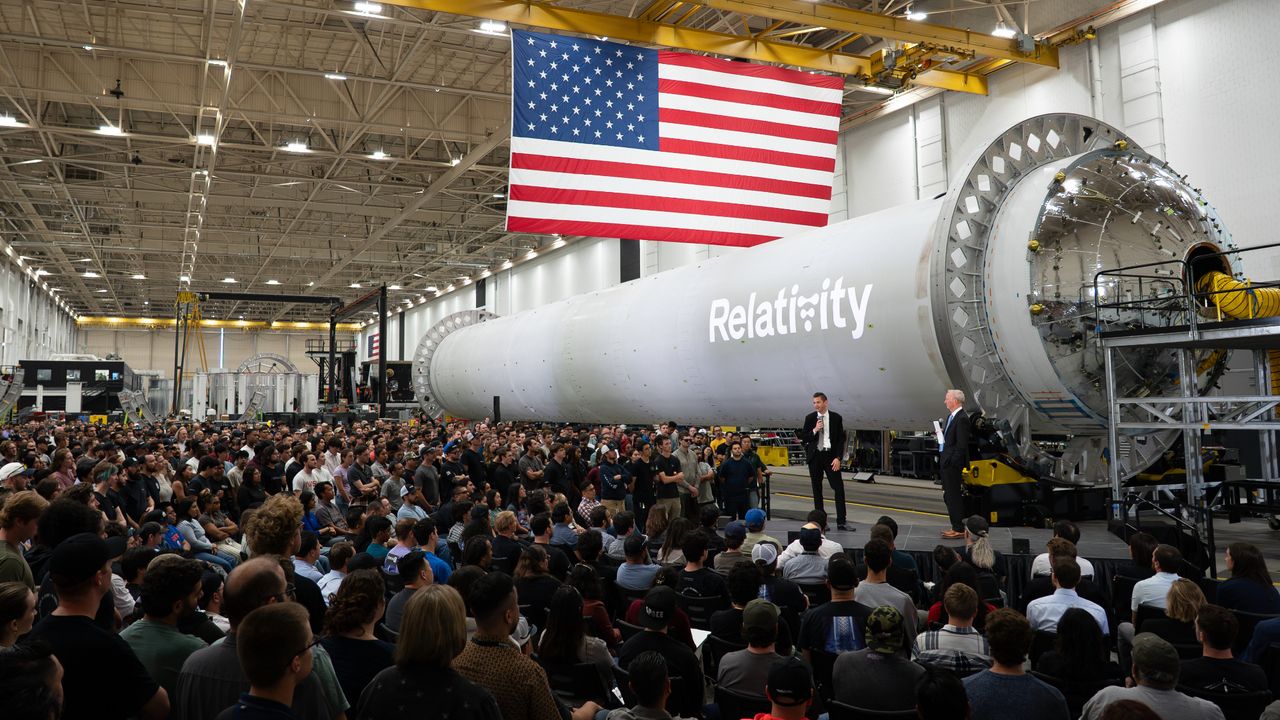
Aeolus joins a growing roster of commercial Mars missions. Relativity Space and others have announced plans for Mars landers and rovers. The trend reflects how commercial spaceflight is extending beyond Earth orbit into planetary exploration, fundamentally transforming how space agencies conduct science missions.
The mission's 2028 launch window aligns with Mars's orbital geometry. Daily atmospheric coverage requires specific orbital characteristics and instruments, with Aeolus positioned to address a data gap in current Mars science. Existing orbiters provide snapshot observations, but sustained daily measurements will reveal seasonal patterns and atmospheric circulation at unprecedented temporal resolution.
Successfully executing Aeolus could open additional contracts for commercial providers to build Mars orbiters and landers for