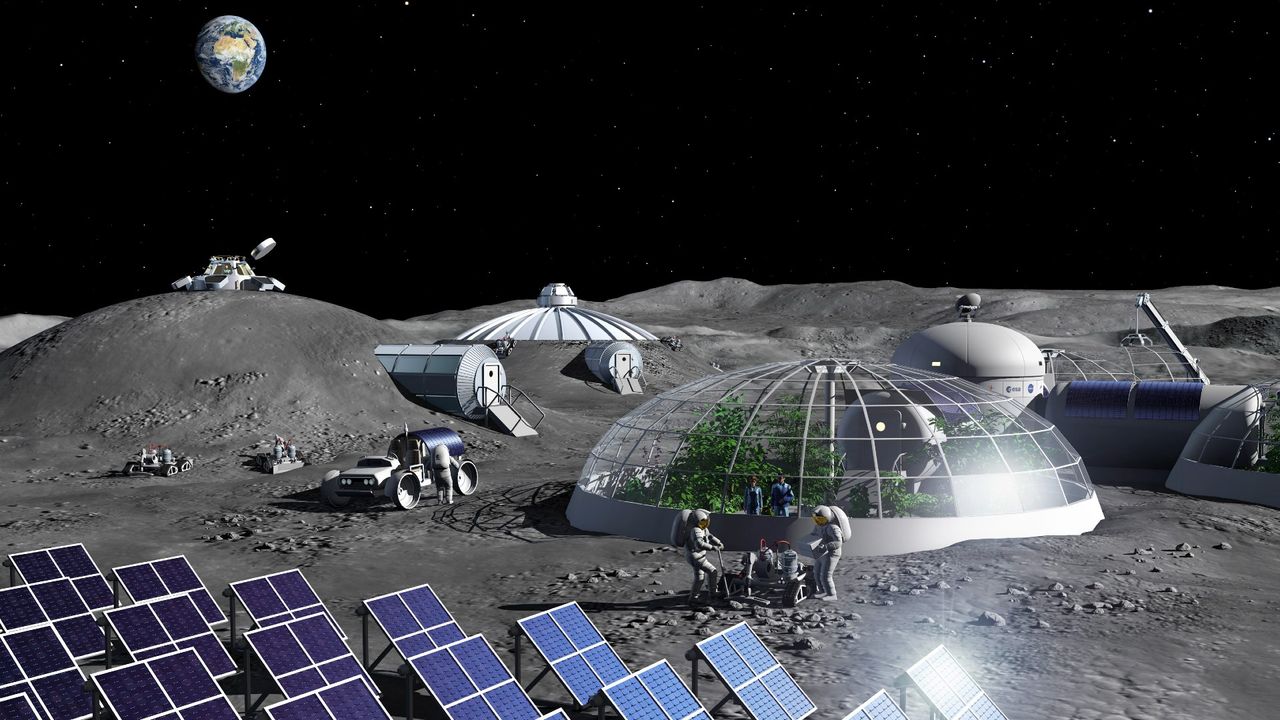
NASA's lunar ambitions require more than engineering expertise. They require rules. As the agency works to establish sustained human presence on the moon through the Artemis program, researchers argue that a formal lunar building code represents a critical gap in current exploration planning.
The moon presents construction challenges unknown on Earth. Lower gravity, extreme temperature swings between 250 degrees Fahrenheit in sunlight and minus 280 degrees in shadow, micrometeorite impacts, and radiation exposure demand engineering standards tailored to lunar conditions. Builders cannot simply apply terrestrial codes to extraterrestrial environments.
A lunar building code would establish baseline safety requirements for habitat construction, life support systems, power generation, and structural integrity on the lunar surface. Such standards would guide NASA, commercial partners like SpaceX and Blue Origin, and international space agencies operating under the Artemis Accords. Standardization prevents redundant testing and accelerates development timelines.
The precedent exists. Maritime industries adopted international shipping codes centuries ago. Aviation authorities created certification standards that enable safe air travel globally. Space agencies applying unified lunar standards would enable multiple nations and companies to construct compatible systems that work together.
Current lunar construction planning lacks this coordination. NASA's Artemis base camp design and various lunar module concepts operate largely in isolation. Without agreed-upon codes, hardware from different sources might conflict. Life support connections could fail. Structural tolerances might prove incompatible. Safety margins differ between agencies.
Establishing lunar building codes requires international cooperation. The Artemis Accords framework provides diplomatic foundation, though technical working groups must develop actual specifications. This work demands input from structural engineers, materials scientists, human factors specialists, and lunar scientists who understand soil composition and subsurface hazards.
The regulatory challenge parallels what emerged when offshore oil platforms entered deeper waters. Industry standards evolved alongside technological capability. Lunar construction faces the same progression. Early settlements will be small research