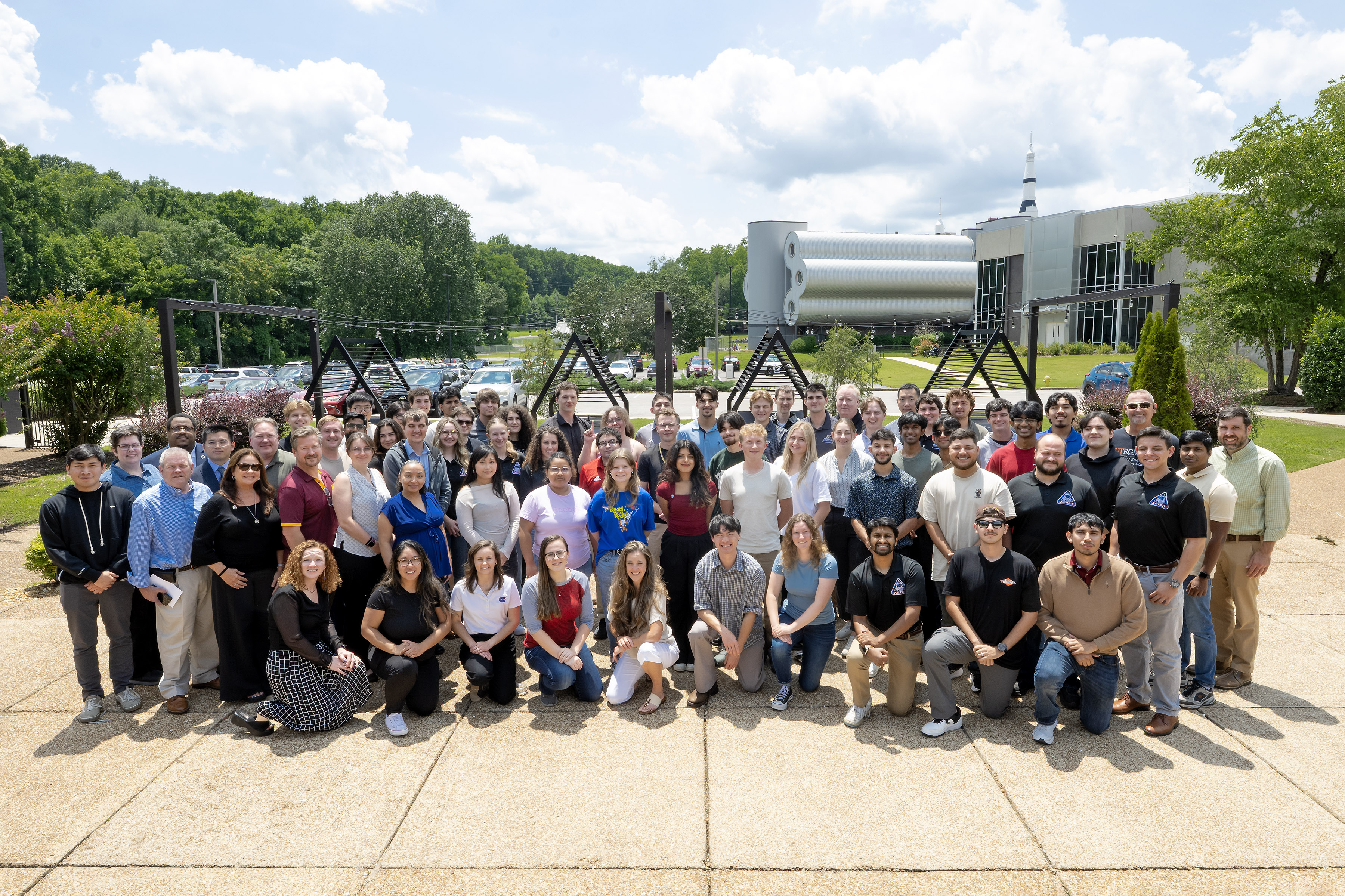
NASA selected winning student teams for the 2026 Human Lander Challenge, recognizing their designs for environmental control and life support systems destined for crewed lunar landers under the Artemis program.
University teams competed to develop technologies that will sustain astronauts during landing and surface operations on the Moon. Environmental control and life support systems represent critical infrastructure for human survival in the lunar environment, managing oxygen generation, carbon dioxide removal, temperature regulation, and waste management inside the lander cabin.
The challenge taps student innovation as NASA accelerates its timeline for returning humans to the lunar surface. Artemis missions depend on reliable life support hardware that functions flawlessly in the harsh conditions above and beyond Earth's orbit, where resupply missions remain logistically complex and costly.
Student-led research on these systems advances practical engineering solutions while building the next generation of aerospace talent. Universities bring fresh perspectives to longstanding challenges in spacecraft design, often producing unconventional approaches that complement work happening within NASA centers and aerospace contractors developing hardware for production vehicles.
The Artemis program aims to land American astronauts at the lunar south pole region, where water ice deposits offer potential resources for drinking water, oxygen production, and rocket fuel. Successful human missions depend on lander systems that can operate reliably during descent, landing, and weeks-long surface stays.
By integrating student solutions into broader Artemis development pipelines, NASA leverages academic research capacity while identifying emerging talent for eventual careers in spaceflight hardware development. The competition underscores the agency's commitment to collaborative innovation across universities, government centers, and industry partners.
These environmental control and life support advances will inform the design of NASA's Human Landing System variants being developed by contractors including Axiom Space and other partners selected for Artemis lunar transportation architectures.