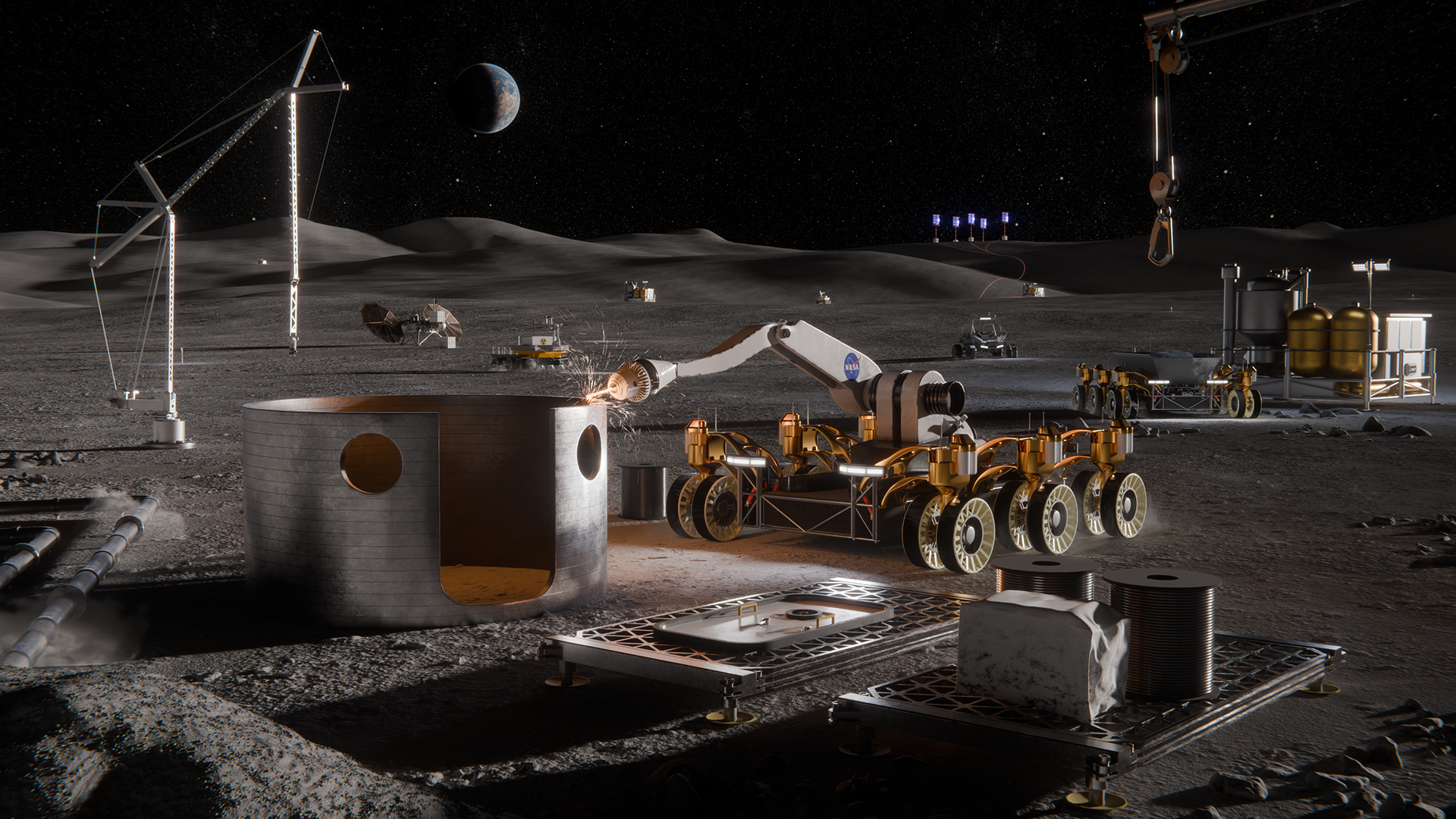
NASA launched a call for industry partnership to expedite development of lunar surface technologies essential for sustained Moon exploration. The agency released a draft solicitation seeking feedback on hardware and operational systems that will enable long-term human presence on the lunar surface.
The initiative recognizes that successful lunar missions demand integrated infrastructure. Technologies must work seamlessly together across power generation, habitat systems, mobility platforms, resource utilization, and communication networks. NASA cannot achieve this alone. Industry expertise in manufacturing, systems integration, and innovation accelerates timelines while distributing development costs.
This approach reflects lessons from decades of spaceflight. Commercial partnerships have proven effective in low Earth orbit, where companies like SpaceX and Axiom Space developed and operate spacecraft with government support. NASA now applies this model to lunar surface operations, inviting contractors to propose solutions for critical gaps.
The draft solicitation targets systems that reduce mission risk and enable repeatable lunar operations. These include dust mitigation technology, power systems capable of surviving lunar night temperatures, excavation and resource processing equipment, and habitation modules designed for the harsh surface environment. Each system must perform reliably across multiple missions and integrate with other infrastructure without requiring constant redesign.
NASA's strategy aligns with Artemis program objectives. To return humans to the Moon and establish sustained operations, the agency needs mature, tested technologies ready before crewed landings commence. Industry input during the development phase ensures solutions meet operational requirements and achieve cost efficiency.
The feedback period allows contractors to shape solicitation language, reducing later disputes about specifications and acceptance criteria. Companies can highlight technical capabilities and propose novel approaches that NASA may not have anticipated. This collaborative process strengthens the final requirements.
Long-term lunar exploration represents a multi-decade effort. NASA's willingness to partner with industry on surface systems signals commitment to building an ecosystem of lunar service providers and manufacturers. Successful solicitation responses could launch contracts worth hundreds of millions of dollars and establish companies as