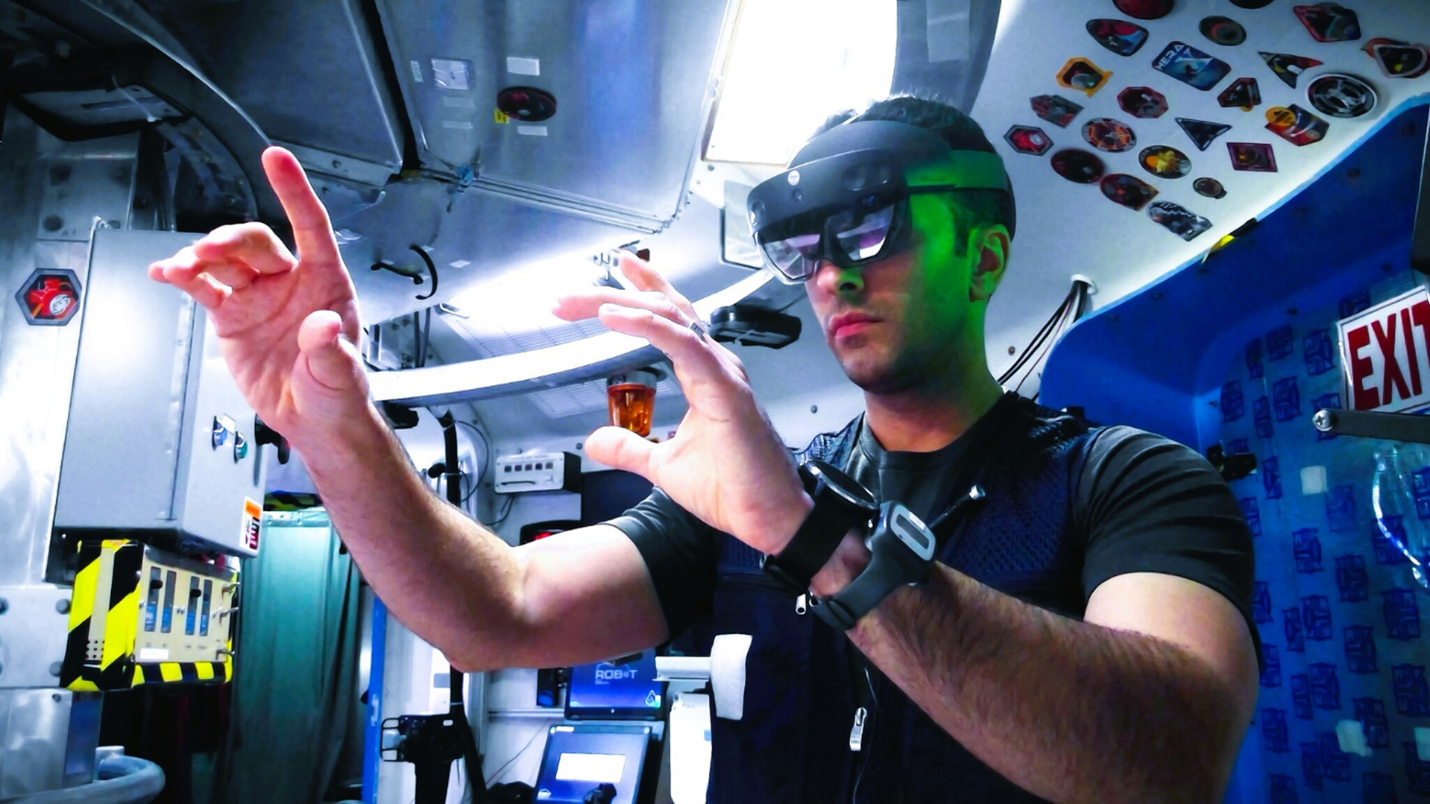
NASA has opened recruitment for a year-long simulated deep space mission beginning in August 2027. Four volunteer crews will live and work in isolated conditions at Johnson Space Center in Houston, replicating the psychological and operational demands of crewed lunar and Martian exploration.
The HERA (Human Exploration Research Analog) mission represents NASA's latest effort to understand how humans perform during extended isolation in confined spaces. Volunteers will face communication delays, resource constraints, and the absence of immediate resupply or rescue options that characterize actual deep space operations. The agency seeks to gather behavioral and performance data before committing humans to months-long journeys beyond Earth orbit.
This research directly informs NASA's Artemis program, which targets lunar surface missions with human crews, and eventual crewed Mars missions planned for the 2030s and 2040s. Understanding crew dynamics, decision-making under stress, and psychological resilience becomes essential when astronauts operate millions of miles from home with no quick return option.
NASA recruits research participants from diverse backgrounds, prioritizing individuals with relevant experience in science, engineering, military operations, or emergency response. Candidates must meet medical and psychological screening standards comparable to astronaut requirements. The agency values teams with proven collaboration skills, as interpersonal chemistry directly affects mission success in isolation studies.
Previous analog missions like Mars500 in Russia and earlier HERA iterations produced critical insights into how crews maintain morale, resolve conflicts, and adapt to monotony. This new yearlong mission extends that research, offering NASA longitudinal data on human adaptation spanning multiple seasons of simulated planetary operations.
Volunteers receive compensation for participation. Beyond financial reward, participants contribute directly to humanity's capacity for sustained deep space exploration. The data generated influences training protocols, habitat design, and mission planning for actual lunar and Mars missions carrying NASA astronauts and international partners.