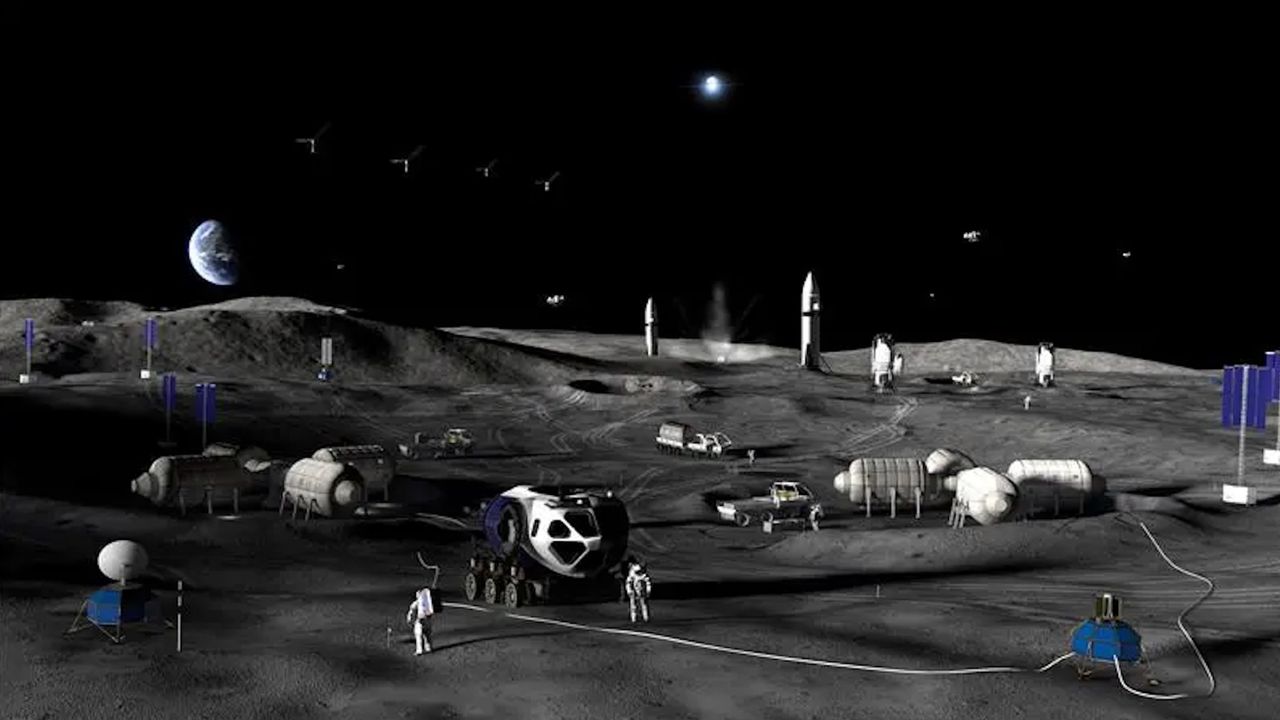
NASA delivers a lunar infrastructure update today, marking another step in the agency's sustained push to establish permanent human presence on the Moon. The announcement arrives as NASA refines its Artemis program strategy following the delay of crewed lunar landings to 2026.
The update will address habitat designs, power systems, and operational frameworks for the lunar Gateway station, NASA's planned orbital outpost that will serve as the staging ground for surface missions. Gateway represents a critical architectural piece for Artemis, enabling crew rotations and cargo delivery to the lunar surface across multiple missions.
NASA has been engineering solutions for extended lunar habitation since the Artemis I uncrewed test flight in late 2022. The agency partnered with commercial contractors including Axiom Space and other private firms to develop modular habitat modules and life support systems. These systems must withstand the lunar environment, including micrometeorite impacts, extreme temperature swings between 260 degrees Fahrenheit in sunlight and minus 280 degrees Fahrenheit in shadow, and prolonged radiation exposure.
The Gateway station itself will orbit the Moon rather than land on the surface, allowing it to serve multiple landing sites across the lunar south pole. This approach contrasts with Apollo-era architecture and reflects lessons learned about operational flexibility and sustainability. From Gateway, landers will carry astronauts to the surface for missions lasting up to a week or longer.
This announcement comes amid congressional scrutiny of Artemis timelines and costs. NASA's lunar program budget continues climbing, with recent estimates placing total Artemis costs at over 90 billion dollars through 2025. Today's update will likely address how the agency plans to optimize spending while maintaining the technical readiness required for human spaceflight.
The livestream begins this afternoon. NASA will discuss specific timelines, contractor roles, and technical milestones for establishing the Moon as a foothold for deep space exploration and eventual