July 2026 brings four major skywatching events for amateur astronomers and casual stargazers. NASA's monthly guide highlights a predawn conjunction of the Moon with several planets, a returning comet visible from Earth, optimal conditions for observing the Milky Way, and Saturn's rings at an unusual angle from our vantage point.
The Moon will stage an early morning meetup with planets during the first weeks of July, offering photographers and observers a chance to spot multiple celestial bodies in close proximity. This conjunction occurs in the predawn hours, requiring viewers to wake before sunrise for the best viewing conditions.
A periodic comet makes its return to visibility during the month, becoming accessible to telescopes and potentially naked-eye observation depending on its brightness. Comets offer amateur astronomers opportunities to track these icy bodies as they approach the Sun, with their outgassing creating distinctive tails.
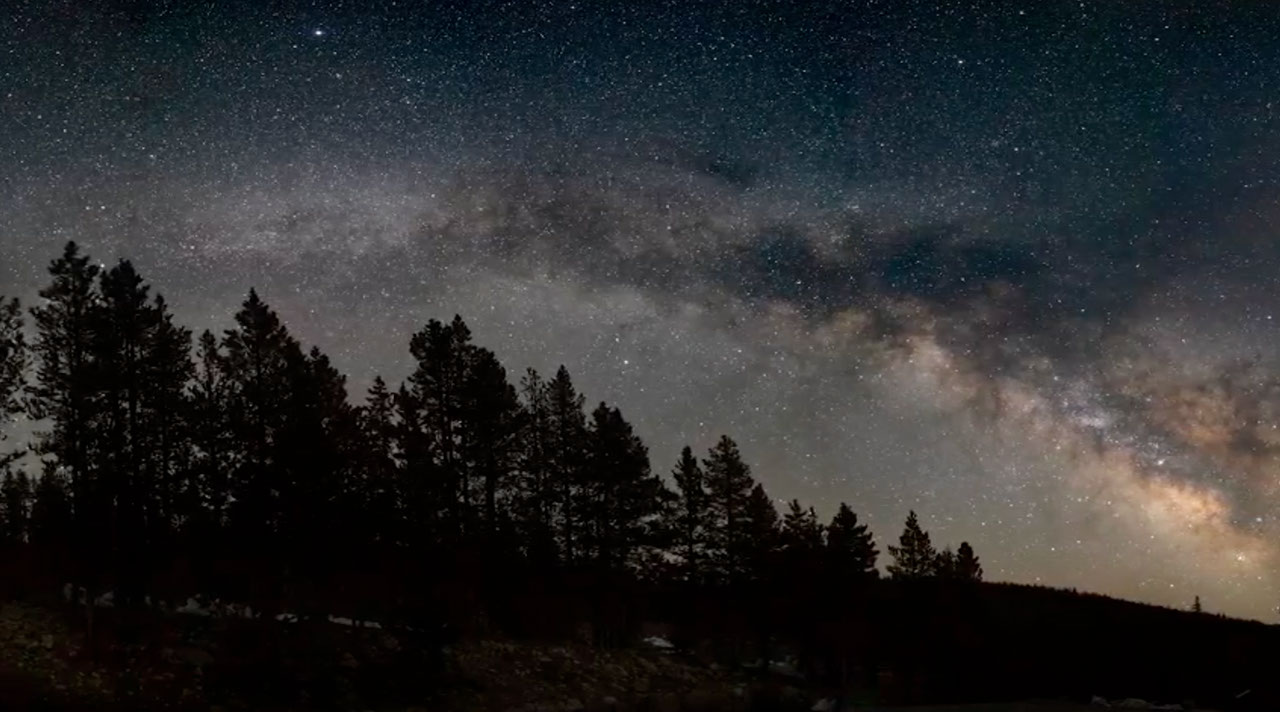
Mid-July brings peak conditions for observing our galaxy's disk. Away from light pollution, observers can see the dense stellar regions and dark dust lanes that define the Milky Way's structure. This viewing window aligns with the constellation's optimal position in the night sky during summer months in the Northern Hemisphere.
Saturn's ring system reaches a new inclination relative to Earth's orbital plane, presenting the rings at an angle different from previous months. This changing perspective reveals details of the ring structure and allows observers with modest telescopes to appreciate the geometry of these icy particles orbiting the gas giant.
NASA's monthly skywatching guides help observers plan observing sessions by identifying optimal dates, times, and directions for viewing these phenomena. The agency partners with amateur astronomy groups and planetariums to promote public engagement with the night sky. These observations require no specialized equipment for the lunar and planetary conjunction, though binoculars enhance detail and telescopes unlock views of fainter objects like comets and Saturn's rings.