The United States turns 500 in 2276. Today, space exploration stands at an inflection point that will define humanity's trajectory across the next quarter-millennium.
When America declared independence in 1776, the Wright brothers' first flight lay seven years in the future. Human spaceflight would not occur for another 185 years. Yet in just the 56 years since Apollo 11 landed on the Moon, we have built space stations, launched rovers to Mars, sent probes beyond the solar system, and commercialized orbital access. The acceleration is relentless.
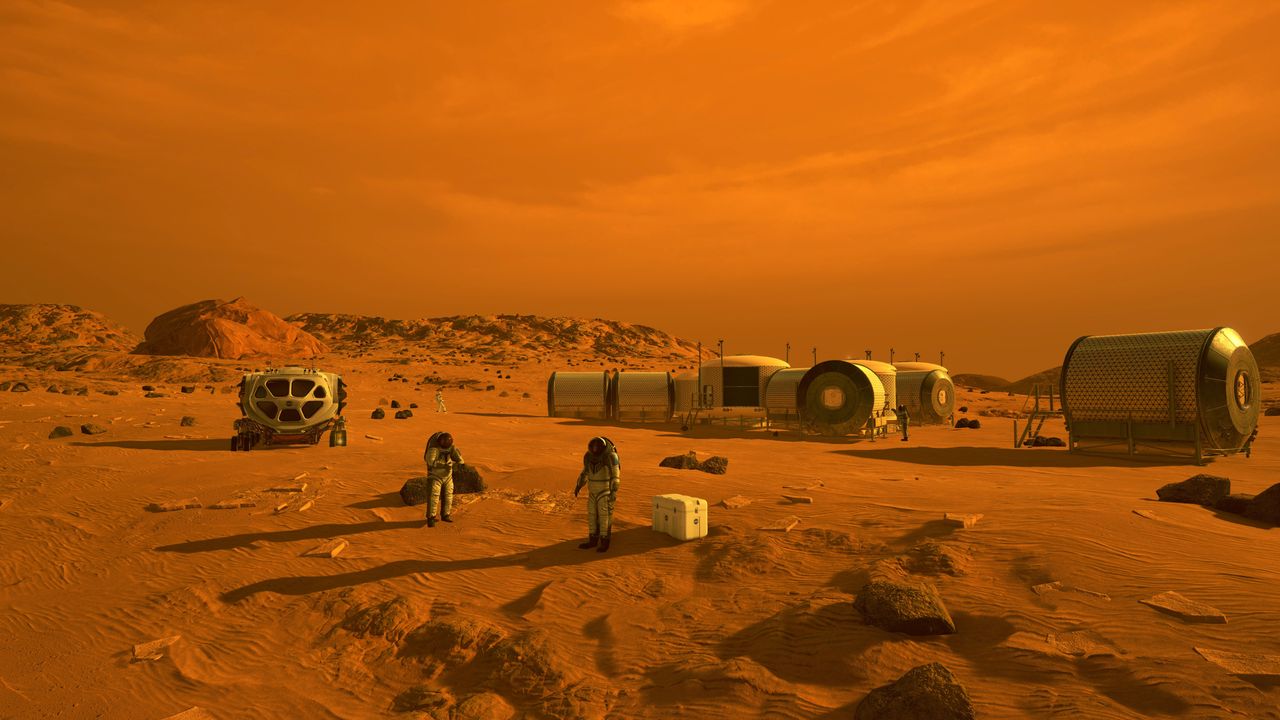
By 2276, if current trajectories hold, space exploration will be unrecognizable compared to today. Permanent settlements on the Moon and Mars appear inevitable. The lunar south pole, rich in water ice, will likely sustain research bases and resource extraction operations. Mars colonies will drive scientific discovery about planetary habitability and the search for past microbial life. Both bodies will serve as springboards for deeper solar system exploration.
Space-based manufacturing, energy generation, and mining operations will anchor a thriving cislunar economy. Orbital construction will enable vessels designed for interplanetary travel rather than launch constraints. Space tourism will have evolved from billionaires' vanity projects into routine transportation, as commercial spaceflight did from SpaceX, Blue Origin, and others.
The search for extraterrestrial life will intensify. Telescopes far more powerful than the James Webb Space Telescope will analyze exoplanet atmospheres for biosignatures. Probes sent toward the ice moons of Jupiter and Saturn, like Europa and Enceladus, will investigate subsurface oceans. Breakthrough Starshot and successor programs may launch nanosail probes toward nearby stars.
Interstellar travel itself remains speculative, but 250 years provided breakthrough propulsion technology, crewed voyages