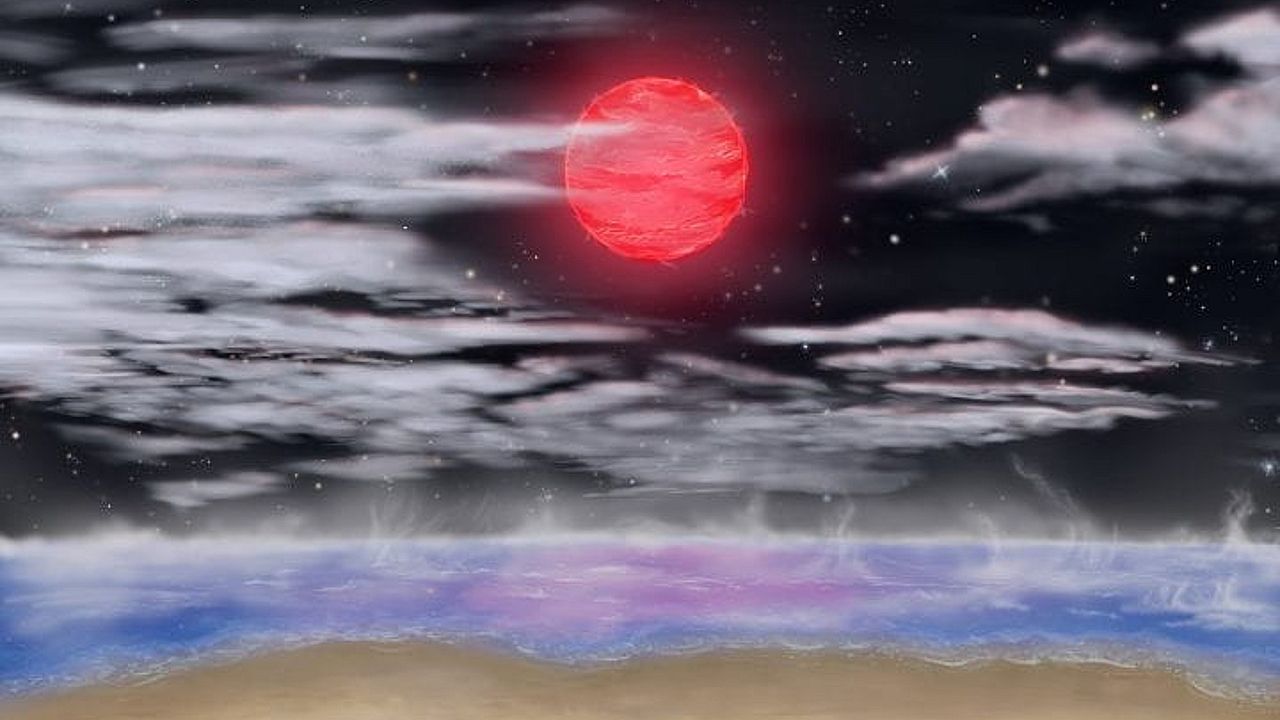
Astronomers have detected an exoplanet located 25 light-years from Earth that orbits within the habitable zone of its star, positioning it in a region where liquid water could exist on its surface. The discovery ranks among the closest potentially habitable worlds yet identified.
The planet's proximity makes it extraordinarily valuable for future observation and study. At 25 light-years away, it resides close enough for advanced telescopes to conduct detailed atmospheric analysis using transit spectroscopy and other detection methods. Ground-based observatories and space instruments like the James Webb Space Telescope can now focus their instruments on this system to search for biosignatures, chemical fingerprints that might indicate biological activity.
Habitable zone planets orbiting within this distance remain rare finds. The constraint is strict. A world must receive enough stellar radiation to prevent water from freezing, yet not so much that it boils away into space. This orbital sweet spot defines where life as we understand it could theoretically emerge and persist.
The star hosting this exoplanet offers another advantage. Planets around smaller, dimmer stars like red dwarfs occupy habitable zones much closer to their host star, making them easier to detect and study than planets orbiting sun-like stars. Their proximity also means they receive stronger stellar winds and radiation, which complicates the habitability equation.
The discovery reflects the accelerating pace of exoplanet science. Missions like NASA's Transiting Exoplanet Survey Satellite (TESS) and the European Space Agency's PLATO mission systematically scan nearby star systems, identifying candidates for follow-up investigation. Each detection expands humanity's map of potentially life-bearing worlds.
While habitability remains theoretical without direct evidence, this world's location and proximity position it as a prime target for the next generation of atmospheric studies. Telescopes now under construction will examine whether