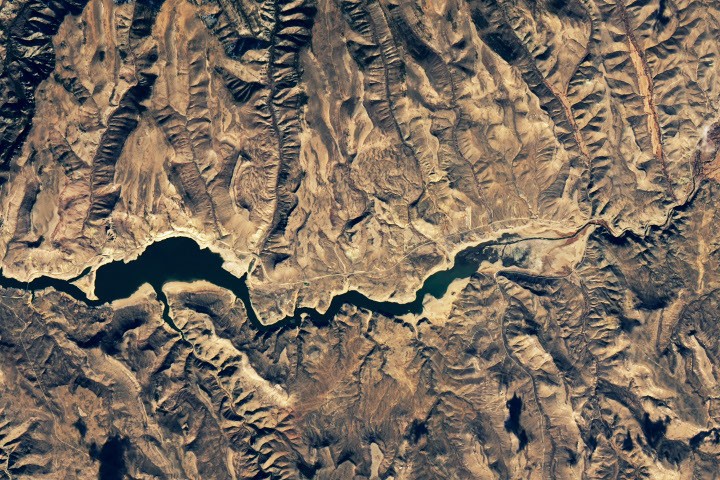
Researchers have linked harmful algal blooms at Blue Mesa Reservoir in Colorado directly to warm water temperatures and depleted water levels, using satellite observations to track the phenomenon. The study analyzed data from NASA Earth observation satellites to correlate environmental conditions with toxic cyanobacterial growth at the reservoir, which supplies water to parts of Colorado and New Mexico.
Blue Mesa, the second-largest reservoir in Colorado, has experienced recurring algal bloom events that threaten water quality and public health. The satellite-based analysis revealed a clear pattern. Warmer water temperatures combined with lower reservoir levels created ideal conditions for cyanobacteria proliferation. These blooms produce toxins that contaminate drinking water supplies and pose risks to recreational users and aquatic ecosystems.
The research demonstrates how space-based monitoring provides early warning systems for water resource managers. Satellites equipped with multispectral sensors detect chlorophyll concentrations and water temperature variations across large water bodies, offering data that ground-based monitoring alone cannot achieve at this scale or frequency.
Climate change compounds the problem. Warming temperatures throughout the Southwest accelerate bacterial growth cycles, while prolonged drought reduces water availability and increases concentration of nutrients that fuel blooms. These factors interact to create more frequent and intense algal bloom events.
The findings carry implications beyond Blue Mesa. Similar reservoirs across the arid West face comparable pressures from climate warming and drought. Satellite monitoring enables water utilities to anticipate bloom formation and adjust treatment protocols before toxins reach drinking water systems. NASA's Earth observation program continues providing this critical data for water resource management, giving agencies the tools to protect public health and sustain water supplies for millions of people across the region.