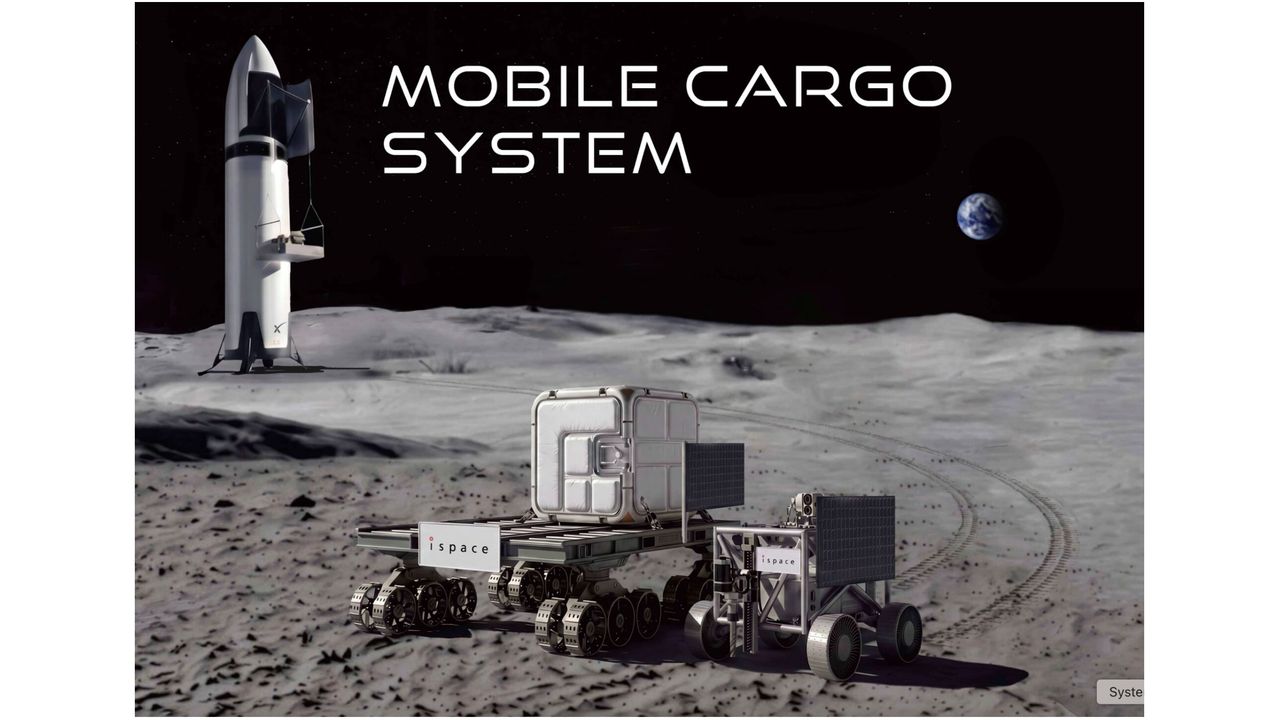
Ispace, the Japanese lunar logistics company, has reserved 1,100 pounds of cargo capacity aboard a SpaceX Starship flight bound for the Moon. This booking represents a significant expansion of ispace's lunar infrastructure ambitions beyond its existing lunar lander program.
The agreement positions ispace to leverage Starship's unprecedented payload capacity. Starship can deliver up to 100 metric tons to lunar orbit, making it the most powerful cargo transport system ever developed for Moon missions. By securing dedicated cargo space, ispace gains access to launch capability that dwarfs traditional rocket options.
Ispace operates the HAKUTO-R lander series, designed to deliver payloads and conduct lunar resource exploration. The company completed its first lunar landing attempt in 2023, marking Japan's first privately-funded Moon mission. While that mission encountered challenges during final descent, ispace extracted critical flight data for future missions. The Starship booking extends the company's strategy of establishing a sustained lunar presence.
This partnership reflects growing commercial interest in lunar logistics. SpaceX has already contracted with multiple organizations for Starship lunar missions, including NASA's Human Landing System program. Starship's reusability and large payload bay enable frequent, cost-effective cargo deliveries that traditional expendable rockets cannot match.
Ispace's use of Starship aligns with Japan's broader lunar strategy. The Japan Aerospace Exploration Agency supports commercial moon ventures as part of its artemis program participation. By combining government backing with commercial partnerships, Japan positions itself as a key player in lunar development alongside the United States and other spacefaring nations.
The 1,100-pound booking demonstrates how SpaceX's Starship architecture transforms lunar economics. Companies can now plan sustained operations rather than one-off missions. Ispace's commitment to multiple cargo flights via Starship suggests confidence in establishing regular Moon transport services. This