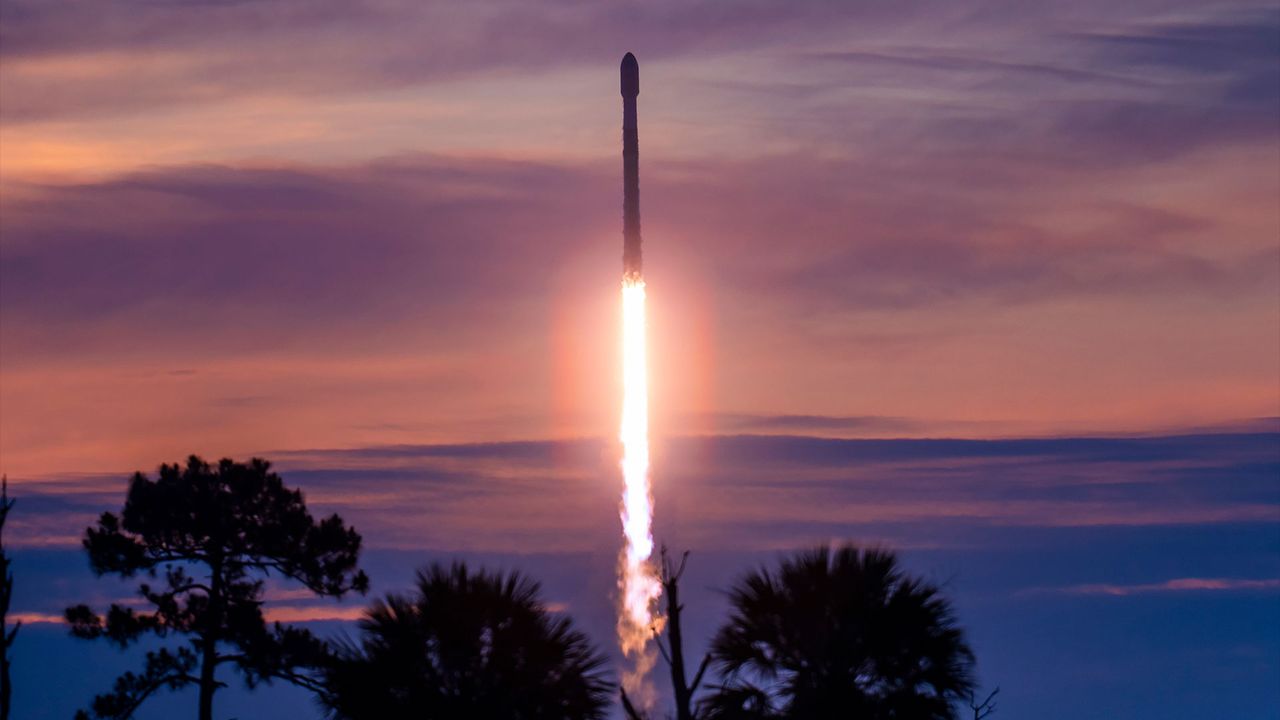
SpaceX will launch a Falcon 9 rocket for its 36th flight on Thursday, July 9, breaking the reusability record for the vehicle class. The booster cores that power these launches have become the workhorse of commercial spaceflight, demonstrating that rapid reuse of orbital-class rockets is operationally viable.
The Falcon 9 has redefined launch economics since its first orbital flight in 2010. Each booster's ability to land itself and fly again has compressed launch costs and accelerated the pace of space operations. This particular booster's 36 flights represent a testament to SpaceX's engineering, refurbishment processes, and the durability of the Merlin engines that power the first stage.
Falcon 9 boosters now routinely fly multiple times per month. This cadence serves customers ranging from commercial satellite operators to the U.S. Space Force, NASA, and international launch providers. The vehicle launches Starlink internet satellites, resupply missions to the International Space Station, and national security payloads.
The 36th flight reflects the maturation of SpaceX's operational infrastructure. Ground support equipment, launch facilities, and landing zones have been optimized for rapid turnaround. The first stage booster lands itself on a drone ship or coastal pad minutes after launching, enabling reflight within weeks rather than months.
Traditional expendable rocket programs require building new boosters for each flight. The Falcon 9's reusability model has forced competitors to reconsider their approach to launch vehicle design. Relatedly, SpaceX's more ambitious Starship vehicle applies these principles to fully reusable super-heavy-lift architecture.
The July 9 launch continues a streak that has made the Falcon 9 the most-flown American orbital rocket since the Space Shuttle. The livestream will capture the