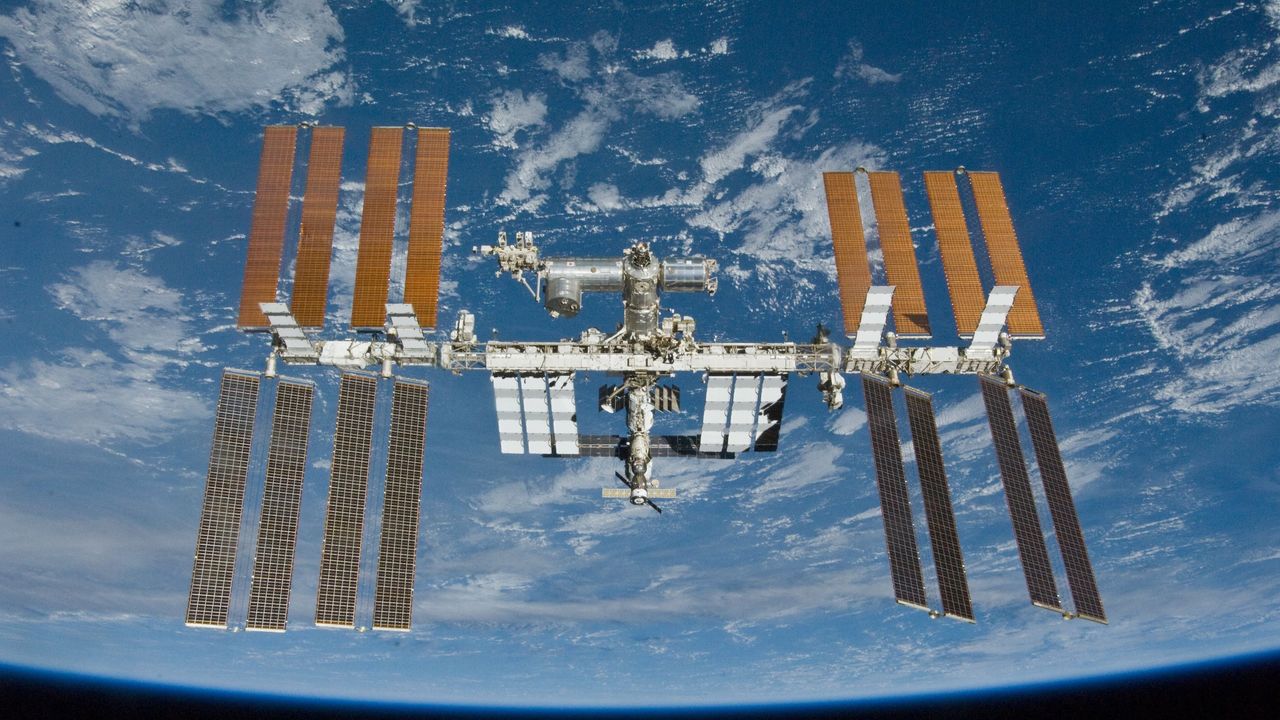
Auxilium Biotechnologies has achieved a first in space medicine: bioprinting functional kidney and liver tissue aboard an orbital platform. The California company deployed specialized bioprinting technology to fabricate these tissues in microgravity, a environment that offers distinct advantages over Earth-based manufacturing.
Bioprinting involves layering cells and biological materials with precision to build three-dimensional tissue structures. Performing this process in space eliminates gravity's pull on delicate cell formations, allowing researchers to construct tissues with greater accuracy and potentially superior biological properties. The absence of gravity prevents cells from settling or compacting unevenly, a persistent challenge in terrestrial bioprinting labs.
The kidney and liver samples produced represent proof-of-concept for manufacturing complex human tissues beyond Earth. Both organs perform critical filtering and metabolic functions. Successfully bioprinting them in orbit opens pathways for growing replacement tissues for transplantation, reducing dependence on donor organs and eliminating rejection risks if tissues match patients' genetics.
This achievement builds on years of microgravity research into tissue engineering. Previous experiments in space demonstrated that certain cell types grow differently in weightless conditions, sometimes forming more sophisticated structures than ground-based equivalents. Auxilium's orbital bioprinting extends this principle to complete organ systems.
The implications ripple across medicine and space industry sectors. Pharmaceutical companies could test drugs on bioprinted tissues grown in space, potentially improving drug development timelines. The commercial space market gains another revenue stream through life sciences manufacturing in orbit. Long-term, this technology could support crewed missions to Mars and beyond, where astronauts would need regenerative medicine capabilities unavailable through resupply missions.
Regulatory pathways remain unclear for tissues bioprinted in space destined for human use. The FDA and international bodies will need to establish standards for off-world manufacturing before such tissues reach patients. Nevertheless, Auxilium's breakthrough demonstrates that