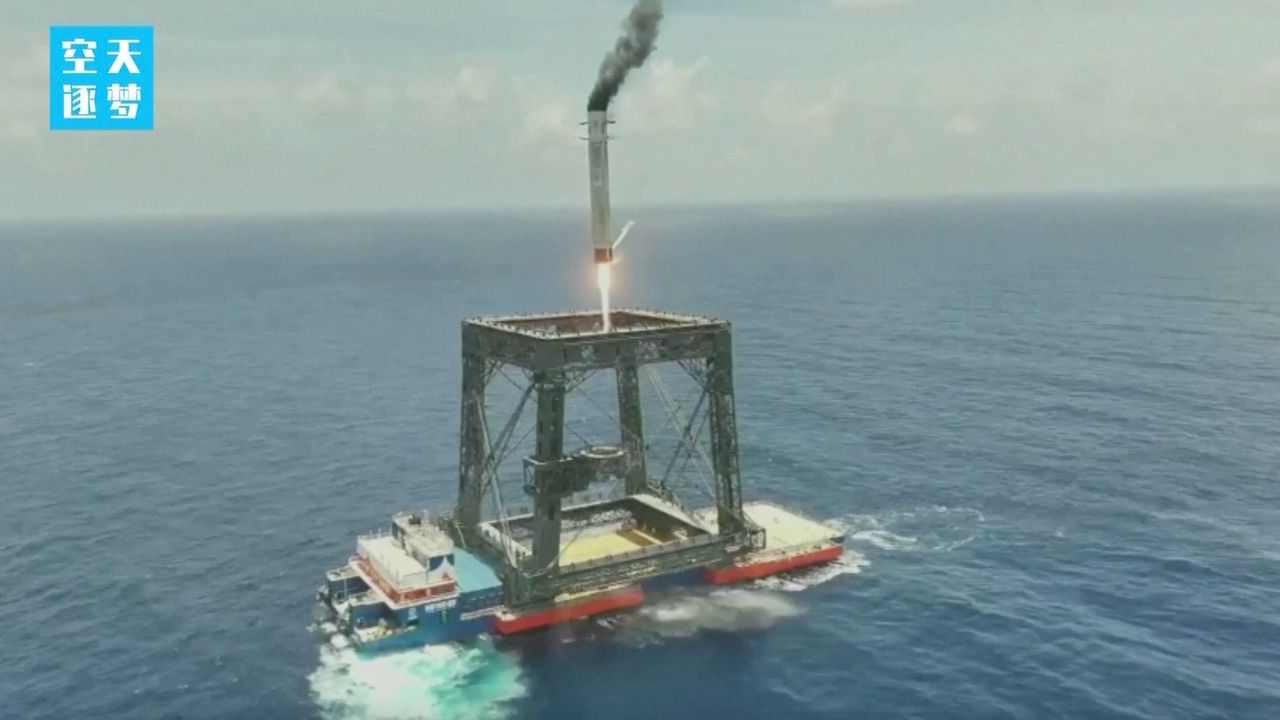
China achieved a historic first on July 10 when a Long March 10B rocket successfully completed an orbital mission and returned to sea for an intact landing. The rocket launched a satellite to orbit before executing a controlled descent into the ocean, marking the first time China has recovered a orbital-class booster during an active space mission.
The Long March 10B is China's newest heavy-lift launch vehicle, designed to compete with reusable rocket systems now dominating the commercial space sector. By demonstrating booster recovery during its maiden flight, China signals aggressive development of reusable launch technology that reduces costs and accelerates launch cadence.
This accomplishment positions China alongside SpaceX, whose Falcon 9 routinely lands first-stage boosters on drone ships and coastal pads, recovering them for reflights. Blue Origin similarly lands New Shepard boosters vertically. China's demonstration on the Long March 10B suggests the nation intends to develop comparable operational recovery capabilities across its launch fleet.
The successful orbital satellite deployment during the same flight validates the booster's primary function while proving recovery systems do not compromise launch performance. This dual success on a maiden flight exceeds the cautious approach many programs adopt for first launches.
China's progress in booster recovery technology reflects broader competition in spaceflight. Reusable rockets dramatically lower the per-launch cost structure, enabling more frequent missions, larger constellations, and expanded exploration programs. Nations that master this technology gain operational and economic advantages in launching payloads to orbit and beyond.
The Long March 10B's success builds on China's earlier achievements in heavy-lift capability with the Long March 5 and strengthens its position as a spacefaring power. Future Long March 10B flights will test whether the booster achieves operational reusability at the cadence and reliability that SpaceX has demonstrated with Falcon 9.